
The final trailer for the remake of Nosferatu has hit the networks confirming a Christmas release. The film, which hits Brazilian theaters on January 2, 2025, is an adaptation of the classic character created by Bram Stoker and the 1922 German Gothic classic directed by F.W. Murnau.
Directed and written by Robert Eggers, the new master of horror, the film has a great cast, with Bill Skarsgård in the title role, as well as Nicholas Hoult, Lily-Rose Depp, Aaron Taylor-Johnson, Emma Corrin, and Willem Dafoe (who himself had already played Nosferatu in Shadow of the Vampire in 2000).

Eggers’ vision follows the story of the obsession between a haunted young woman (Depp) in 19th-century Germany and a terrifying vampire (Skarsgård) who pursues her, causing tragedy for everyone around her.
Those who watch the trailer and have fond memories of Francis Ford Coppola‘s incredible Dracula from 1992, starring the unbeatable Gary Oldman in the title role and Winona Ryder (at the time, Lily-Rose’s father’s girlfriend, actor Johnny Depp) as Mina, will identify several visual references. And what is the difference between Nosferatu and Dracula?
Both are icons of horror cinema, with different terms of origin and representation.
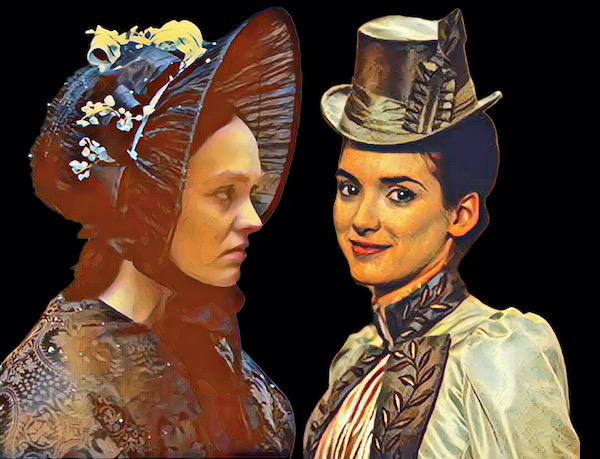

It all started with copyright disputes. Writer Bram Stoker published his book in 1897 and it quickly became one of the most influential works of horror literature and established many of the modern conventions about vampires.
In 1922, F.W. Murnau wanted to make a film adaptation of the book in Germany, but Stoker’s family did not agree with him and so the director made “adaptations” for his version. Thus, Count Dracula became Count Orlok and other names and some details were changed as well. The essence is the same, but the spirit is not.

The visual is also VERY different. While Dracula is usually portrayed as an elegant, charming and seductive aristocrat with supernatural abilities to transform into a bat, has control over animals and is immortal, Count Orlok is presented in a much more monstrous and grotesque way. He has a cadaverous appearance, with long fingers, prominent teeth and pointy ears, which makes him less human and more frightening. In the 2024 version, apparently, he will be the same as in the 1922 film, but there are other elements that bring the narrative closer to Dracula.
In Bram Stoker’s novel, the story follows Count Dracula as he moves from Transylvania to England to spread the curse of vampires, facing off against characters such as Jonathan Harker, Mina Murray, and Van Helsing. Nosferatu has a similar plot, but with differences in that Count Orlok travels from Transylvania to the fictional town of Wisborg, Germany and introduces the now-canonical concept that sunlight can destroy a vampire, something that is not as emphasized in Stoker’s original novel.
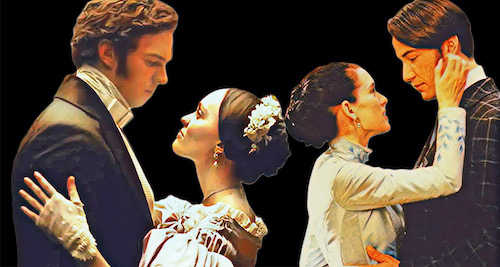
While Murnau’s film is considered a classic of German Expressionist cinema and is highly revered for its atmosphere and innovative cinematography, the book is credited with becoming an archetype in popular culture, inspiring countless adaptations in books, films, TV series, and other media. In both cases, they have had a lasting impact on the horror genre.
It’s about time we took a fresh look at the classic. Watch the trailer.
Descubra mais sobre
Assine para receber nossas notícias mais recentes por e-mail.
 miscelana.com
1 comentário Adicione o seu