
Márcia Haydée is an iconic figure in world ballet, known for her impressive performances as a ballerina and for her innovative skills as a choreographer and company director. Born in 1937 in Niterói, Brazil, she is remembered for the dramatic power of her performances and for having left her mark on dance as a versatile and passionate artist. Haydée’s career illustrates the evolution of classical and contemporary dance in the 20th century, from its Brazilian roots to its peak on European stages, where she established her legacy.

Early life and training
Haydée began dancing at an early age and, at the age of 15, decided to leave for Paris to study at the city’s ballet, where she honed her technical skills and developed the talent that would later make her famous. In 1957, she moved to the Ballet de Marquis de Cuevas, where she quickly gained notoriety for the intensity and expressiveness of her performances. Her stage presence soon attracted international attention, and she began receiving invitations to join renowned companies around the world.
Stuttgart Ballet: Partnership with John Cranko
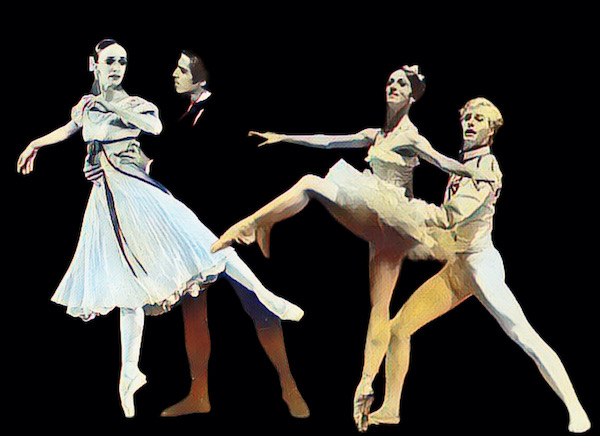
The turning point in Haydée’s career came in 1961, when she joined the Stuttgart Ballet in Germany, under the direction of John Cranko. Her partnership with Cranko was especially significant for Haydée and the ballet world. He cast her in leading roles in his productions, such as “Romeo and Juliet,” “Othello,” and “Onegin.” She brought these characters to life with a unique combination of strength and vulnerability, helping to redefine the style and emotional range of narrative ballet.
Together, Cranko and Haydée gave the Stuttgart Ballet an international reputation that transformed the company into one of the leading centers of contemporary ballet. Haydée became Cranko’s muse, and many of the roles were created with her in mind, allowing her to explore different aspects of her artistic expression. Cranko passed away in 1973, and Haydée took on an even more central role in preserving and expanding his legacy.

Artistic Director and Choreographer
Following Cranko’s death, Haydée was appointed director of the Stuttgart Ballet in 1976, a position she held until 1996. As artistic director, she played a crucial role in preserving Cranko’s repertoire and introducing new choreography. Haydée also worked with renowned choreographers such as Maurice Béjart and Kenneth MacMillan, as well as developing her own creations. Her direction focused on preserving the emotional narrative of the works ensured that the Stuttgart Ballet remained a reference in dramatic ballet.
Haydée was one of the first to explore the idea of “dancer-actors,” encouraging dancers to bring real and profound emotions to their performances. Her own career was a clear example of this approach: every movement, every gesture, reflected an absolute dedication to art and storytelling, and this quality was something she also sought to instill in her dancers. As a director, she brought iconic productions to Stuttgart and managed to attract new talents that kept the company at the forefront of ballet.

Personal Life and Legacy
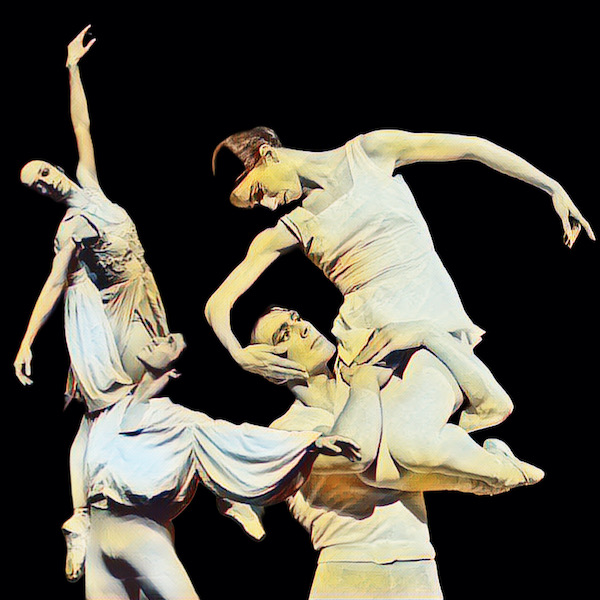
Despite her international fame, Haydée has always maintained a strong connection to her Brazilian roots. Over the years, she has returned to Brazil several times for performances and collaborations. Among her most notable projects are the interpretations of works such as “Carmen” and “The Lady of the Camellias”, in which she demonstrated her ability to reinterpret classical roles through a modern and authentic perspective. She has also worked on creating versions of ballets that pay homage to their origins, adding Brazilian touches and exploring themes linked to Brazilian culture.

Márcia Haydée continues to influence generations of dancers and choreographers around the world. Her career is marked by a unique ability to live dance to the fullest, both onstage and behind the scenes. For audiences, she offers a profound and unforgettable experience; for dancers, she sets an example of discipline and passion for the art. In recognition of her contributions to ballet and culture, Haydée has received numerous honors, including the German Cross of Merit, and is consistently celebrated as one of the great figures of world ballet.
In short, Márcia Haydée is more than a ballerina or a ballet director. She represents an unbreakable spirit that elevates dance to the level of true dramatic art, combining refined technique with an emotional delivery rarely seen. Today, she is a lasting example of how dance can transcend cultural and temporal barriers, inspiring both spectators and artists to see ballet as a form of expression that goes beyond the stage.
Descubra mais sobre
Assine para receber nossas notícias mais recentes por e-mail.
 miscelana.com