
After three years in the works and an estimated renovation of 35.5 million pounds sterling, the National Portrait Gallery opens its doors again on June 22nd and one of the most anticipated and most outstanding exhibitions is precisely that of Madame Yevonde, the artistic name of Yevonde Middleton, one of the pioneering photographers in the use of color in portraits. Yevonde: Life and Color will bring some of the most famous records of the artist’s lens.
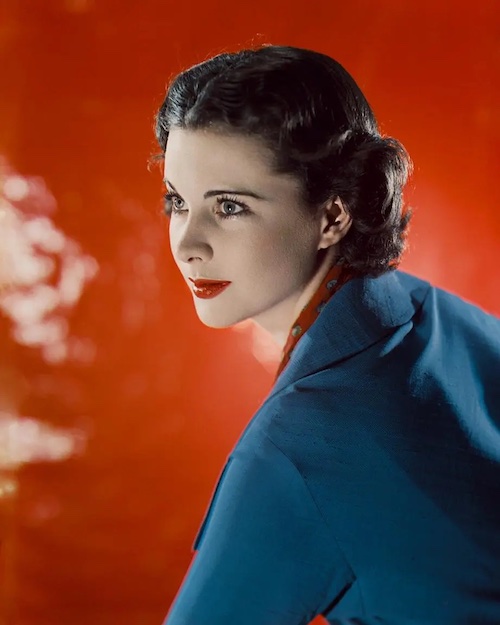
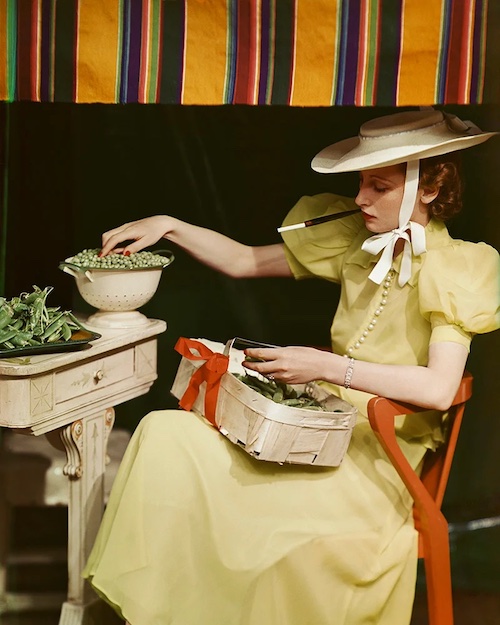
The British artist’s contribution to photographic art is undeniable. She had as her life motto a basic principle of “Be original or die”, just as she loved the intensity. ‘If we’re going to have color photographs, for God’s sake, let’s have a riot of color, none of your bland hand-colored effects’, she said in a speech to the Royal Photographic Society in 1932. Her photographs are indeed a festival of color, and the collection of more than 2,000 images that make up the NPG museum collection (acquired in 2021) is a great opportunity to access a pioneering work, started in the 1920s. What is most incredible, in addition to the striking photos, is that with the conservation, research, and digitization of the negatives, it was possible to rediscover Yevonde’s creative process, with images that are mostly still unpublished and that will be in the exhibition. The show forms part of Reframing Narratives: Women in Portraiture, which aims to increase the presence of women’s contributions to the National Portrait Gallery’s collection.
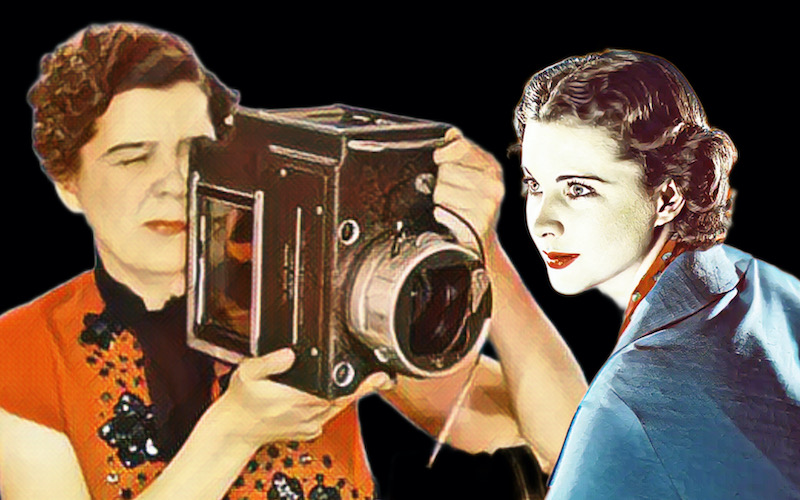
Those who read MiscelAna know that I have a special passion for photography, and I don’t waste the opportunity to talk to professionals (in this case, impossible since Yevonde died in 1975) and help publicize these artists as I can.
Yevonde Philone (Clumbers) Middleton, born 130 years ago, spent her childhood in a privileged universe with constant access to a busy social agenda. With a restless nature typical of people who change the world, at the age of 16, she discovered the Suffragette Movement, which changed her life. She dedicated herself to it because she already knew that ‘being independent was the best thing in life’, becoming determined to have financial and professional independence, something unthinkable for any woman at the beginning of the 20th century, Yevonde found work as an assistant at one of London’s leading photo studios. Not that she just wanted to help, she wanted to be a photographer, but she needed to start somewhere. And, as would become clear, she would go on to work for and with women throughout her career.
Highborn and driven, once she got her chance, she made a choice early in her career that might suggest that her passion for women’s suffrage was fleeting because she chose to forego working with veteran suffragette Lena Connell to learn photography from Lallie Charles, who made records of important people in society. As some biographers point out, even supporting sororities, Yevonde had little patience with his female clients, especially those who felt unattractive and asked that their portraits make them beautiful. It was with Lallie that Yevonde lived with aristocratic and sophisticated clients, in a universe of glamor, where after three years – realizing that Lallie and her submissive feminine Edwardian vision was outdated – she started to work alone. At 21, with the clear opportunity of a portrait market demanding a more contemporary look and with a greater variety of poses and backgrounds, she opened her own business, of course, with financial support from her family. She was born ‘Madame Yevonde – a portrait photographer’.
At first, the famous people who posed didn’t pay, but soon Madame Yevonde began to make a name for herself, with creative and informal photos published in magazines such as Tatler and The Sketch. Her signature was easy to spot: faraway, camera-avoiding gazes, and creative props appearing in the clearly satirical photos, playing with traditional portraiture techniques and the portrayal of women as passive and elegant. Furthermore, her work was clearly far from reality, but exciting. In less than a year she was already well-known enough to move to a bigger studio and work with publicity commissions, keeping herself in demand by the main personalities of the time.
It was only in the early 1930s that she began to experiment with color photography which, at the time, was still a long way from future popularity and was largely rejected by artists, the public, and critics alike. Of course, the challenge only made the photographer more excited and already in 1932, she had enough material for an exhibition of portraits at the Albany Gallery, mixing works in black and white and color, being well accepted by the initiative.
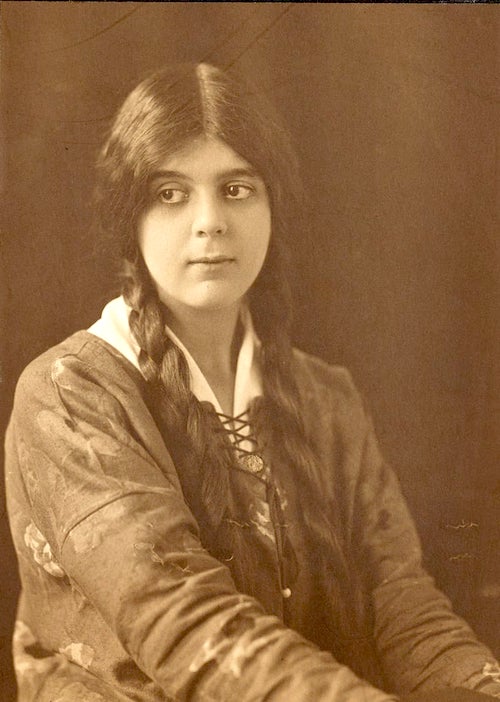
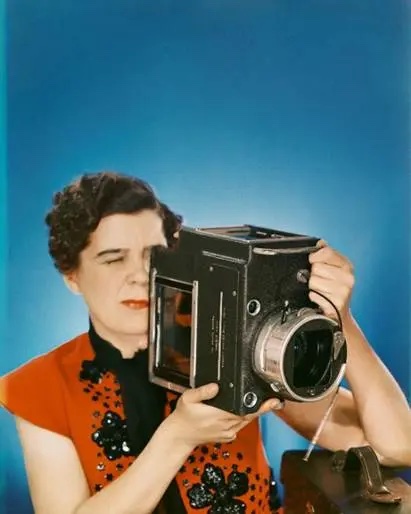
Her favorite camera was a Vivex One-Shot and Yevonde became associated with a pioneering spirit, boldness, and glamour, with those portrayed creating vibrant, elegant, and seductive images. Of the artist’s many iconic works, some are legendary, such as the Goddesses series, made in 1935, with guests dressed as Roman and Greek gods and goddesses, which is considered the pinnacle of Yevonde’s creativity. Series based on the signs of the zodiac and the months of the year, influenced by Man Ray, is also famous.
Perhaps personal losses contributed to her return to black and white in 1939, especially when she became the widow of playwright and journalist, Edgar Middleton. Yevonde’s love for him was so great that, despite valuing his autonomy, some biographers claim that she even offered to give up her career for him, but was relieved when Edgar refused. Still, she was disappointed when it wasn’t until after they were married that she learned that he didn’t want children, the only reason she saw any use in the union. Edgar’s premature death and the Second World War represented real obstacles to the artist’s innovative spirit, which had difficulty obtaining enough materials to continue working in color and even demanded more traditional portraits in line with the post-war environment.
For almost 60 years, she never stopped working, active until two weeks before her death, aged 83, even with less demand. Her collection was left to her assistant, with more than 3,000 sets of original VIVEX tricolor separation plates from the 1930s and more than twice as many black and white images on plate and film. Part of which is now in the National Portrait and lucky Londoners will be able to see it up close!
Descubra mais sobre
Assine para receber nossas notícias mais recentes por e-mail.
 miscelana.com