
It is incredible the impact and controversy that surrounds the excellent production of The Crown and that it has already achieved over five seasons. When it premiered, in 2016, we knew so much about the Royal Family and at the same time… so little. In a clear nostalgia that would recapitulate the importance and life of the longest-lived British monarch, the proposal was to cover every 10 years, until the Golden Jubilee of Elizabeth I, anticipating the Platinum, celebrated in 2022. Or so it seemed. Seven years ago, now, neither Netflix was what it is today nor we dreamed that the worst drama between the Windsors was yet to erupt. We were innocent, we can recognize it.

Showrunner Peter Morgan was you might say, an expert on the subject. Ten years before, he had signed the film The Queen, which won an Oscar for Helen Mirren and adapted it for the stage as The Audience, in 2013, with the very same Helen Mirren reprising the role. Perceptively realizing that there were generations that did not remember or know about Elizabeth I’s youth, he re-presented her accession to the throne and adjustments as queen bringing Netflix subscribers and awards (it is one of the most awarded series of recent years) and for the Queen a renewed popularity unexpected.
Claire Foy, Matt Smith, and Vanessa Kirby became international stars with the mega success of their first seasons. The new Emma Corrin rose from anonymity to the awards like a meteor when she brought young Diana Spencer to life and Josh O’Connor gave a new perspective on the now-King Charles. However, the closer they got to modern times – with the current drama of the breakup between Princes Harry and William – the more The Crown went from darling to problematic. Actors and fans are divided if she should not have stopped ahead of schedule and there was not always unanimity for the answer. There was a delay in the recordings which only contributed to the inconvenience, after all the people portrayed are alive and not always exposed with sympathy. Furthermore, as much as the series claims to be fiction, people consider it a documentary. Something Meghan and Harry’s narrative contributes to confusion. And, after so much quality on the air, there is a consensus of relief that Morgan has put his foot down that it will stop even in the sixth season.
Known as the most expensive series made (certainly on Netflix), The Crown brought together great performances and period reconstruction, but all historical inaccuracies were only the subject of controversy when it got closer to the present day. So far, it has collected no fewer than sixty-three Emmy Award nominations, winning twenty-one, including Outstanding Drama Series and Performances. It is, no pun intended, historic. And of all, fans agree, season four will be unforgettable.
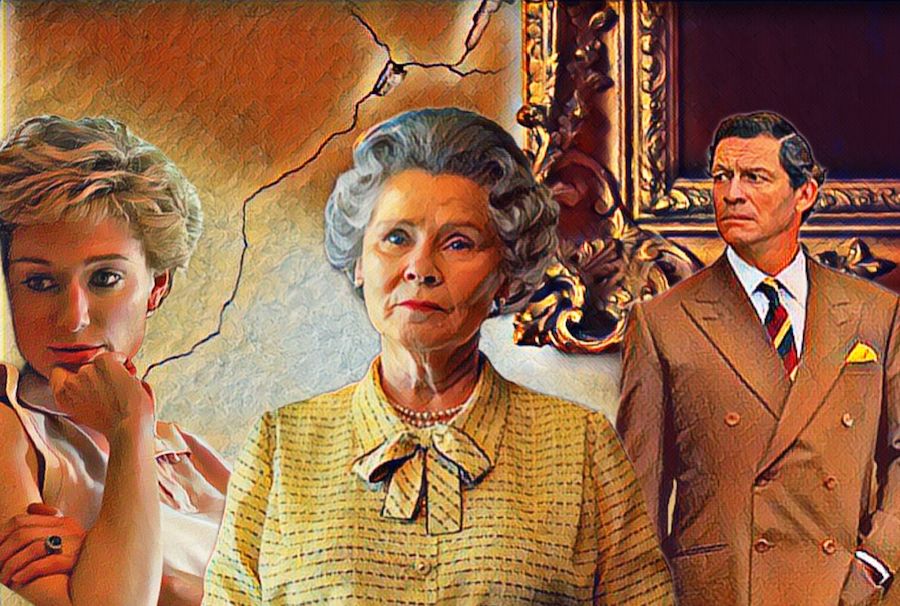
The insecurity of addressing Charles and Diana’s troubled marriage would be sensitive enough if it weren’t paralleled by the Harry and Meghan drama, which hasn’t overshadowed the series but has often landed it in hot water. If she was sympathetic to Camilla and Charles, as she was to the third, Diana’s defenders claimed creative freedoms as dangerous. However, following the pro-Diana narrative, it has created chaos on social media against the current King and Queen. Season 5 hasn’t had the same impact precisely because of the delicate polarity and current feuds between them, not to mention that – with the passing of Elizabeth I – many find disrespectful part of the stories that will be tackled about the Queen and Philip, too.
Still, there are those who dreamed that instead of stopping the narrative at the beginning of the 2000s, The Crown would reach 2022, with the Queen’s platinum jubilee and death. Peter Morgan refused and the sixth season, scheduled to premiere in 2021, will be the last. Per hour.

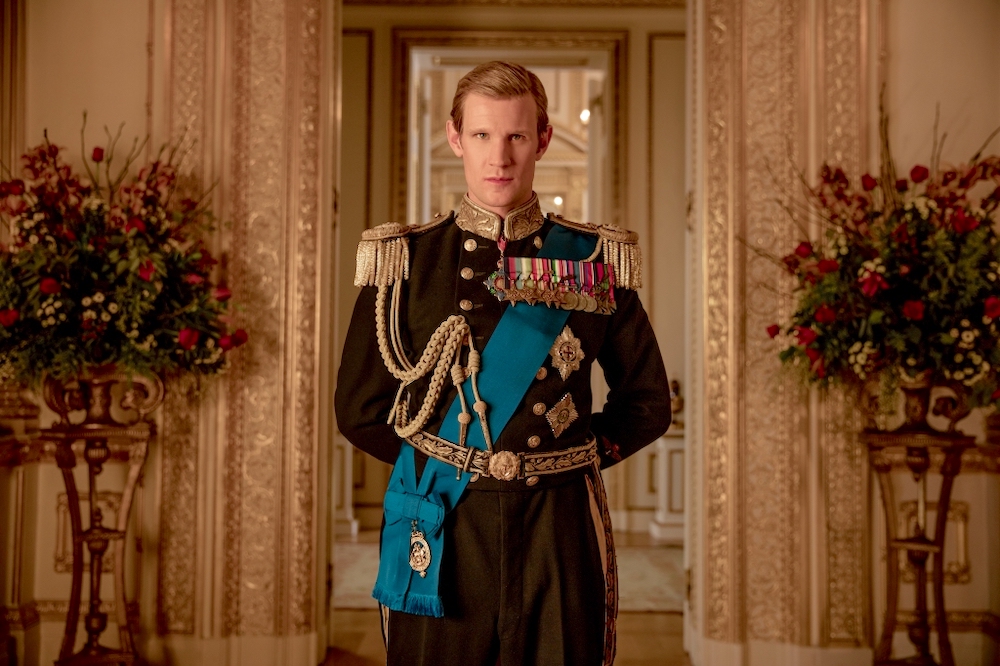
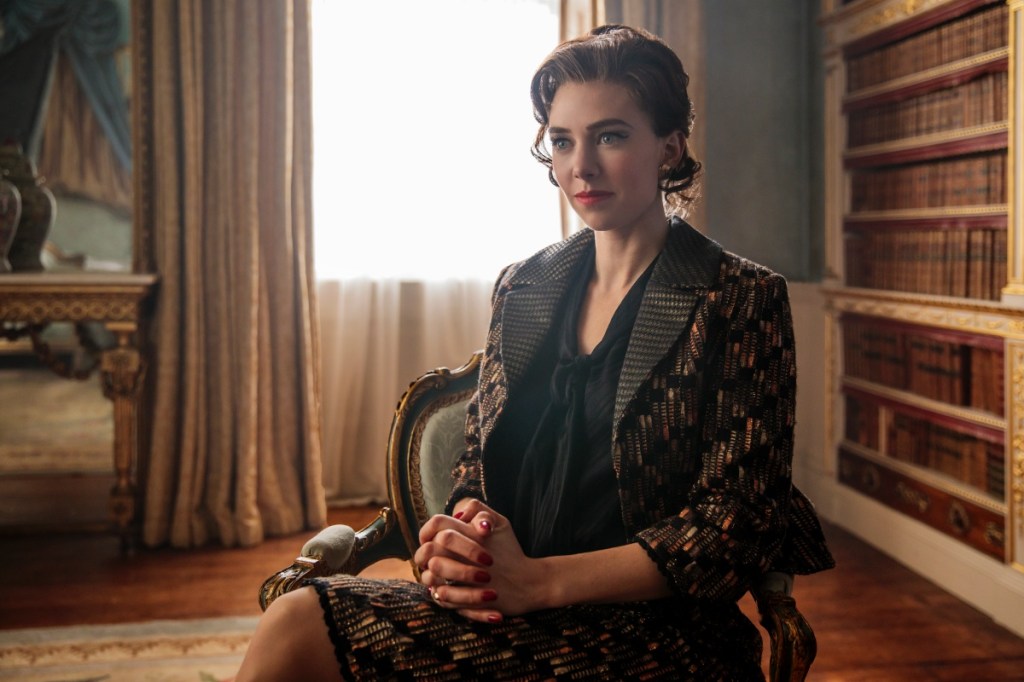
In an interview with The Hollywood Reporter, executive producer Suzanne Mackie spoke candidly about the behind-the-scenes pressure and difficulties of dedicating 11 years to creating this streaming classic. “In many ways, we came across something that added a new dimension to The Crown,” she said. “The original conversation, as I recall, was really one of pragmatism — if we were spanning 60 episodes and [approximately] 60 years, how could we have an actress, who needs to be very young in the first season, play her? convincingly over that time period? The decision to change the cast every two seasons was made very, very early on, long before we even cast Claire Foy, Matt Smith, or Vanessa Kirby. We didn’t think about it with any sense of what it could give us creatively,” she explained.
Without escaping how they selected which versions and facts would be crucial, she confirms that it was a methodical decision by the showrunner, mapped out in detail from the beginning, such as giving the Al-Fayeds a highlight in the fifth season, acting as a family, something unheard of in the narrative of Diana’s history in general. “But you have to make decisions about what to leave out. Because otherwise, you would do 20 episodes instead of 10.”
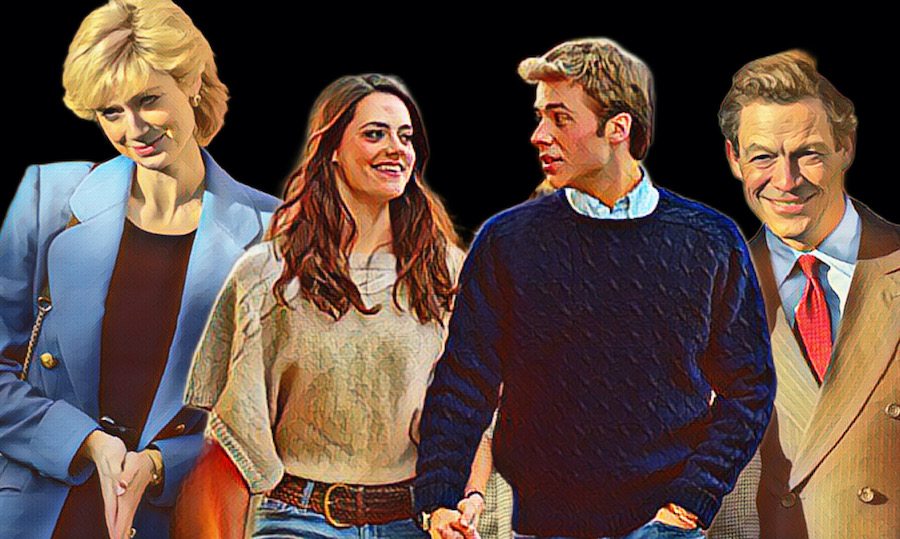
The recordings of the sixth season were closely followed by social networks and ended just two months ago, the series is still being finalized, but Suzanne promises that it will be exciting. The biggest challenge, however, will not be dealing with the ‘end’, but in particular, the tragic death of Princess Diana. There will be three entire episodes about her and her last days of life. “Some of it is painfully sad and feels very real and vivid,” she anticipates. “I hope it is very respectful and beautiful. I think it will come as a surprise to the audience because in many ways, where we go after Diana, it’s very difficult. We found a really beautiful new chapter, which is via Prince William and Kate Middleton, and it feels like little flowers sprout from the earth after Diana’s death,” she assures.
Are we really ready to say goodbye to The Crown?
Descubra mais sobre
Assine para receber nossas notícias mais recentes por e-mail.
 miscelana.com