
“The child bed is our battlefield. We must learn to face it”. Aemma Targaryen’s advice to her daughter, Rhaenyra, in her first scene in the House of the Dragon season 1 pilot reflects the patriarchal vision at the heart of the universe created by George R.R. Martin, which is a medieval fantasy world, first known in Game of Thrones and now deepened in House of the Dragon. The reference is direct, after all, it was the paradox of the female role that was an essential part of the process of guaranteeing a line of succession for men, with several children, but each pregnancy could equally be its own death sentence. As it turned out to be the case with Queen Aemma Targaryen herself.
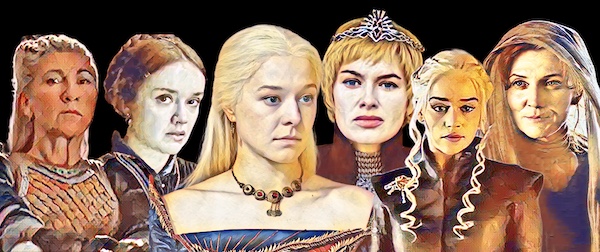
Even though it is a great risk, motherhood has also always been the main (sometimes only) weapon of women in Game of Thrones. Sex could be used to maintain relationships or manipulate people, but it was the children who established alliances or the position of Houses. And, throughout the story, we see how this question changed the personalities or the course of the lives of many characters, from Rhaenyra to Daenerys. Let’s talk about the series, with some occasional book references.
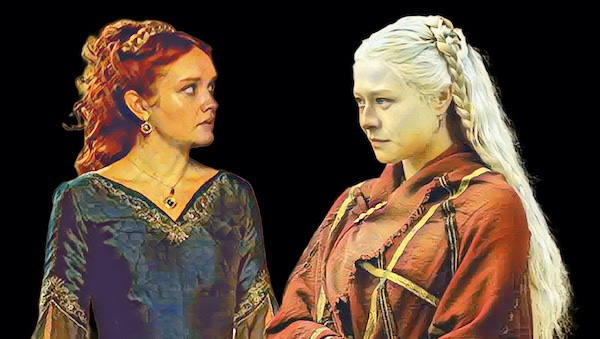
Alicent Hightower: cold mother, troubled children
In House of the Dragon, we have the seed of civil war planted by an ambitious man, Otto Hightower, who uses his only daughter, Alicent, in the wiles of power. Widowed, he has no sentimental connection with the girl but commands her both in the friendship she establishes with Rhaenyra and later, in the comfort she provides to the widowed Viserys, becoming his second wife.
Unlike Rhaenyra, who was orphaned by her mother close to adolescence, thus being able to live with her loving mother, Aemma, for longer, we do not know when Alicent’s mother died, it is in the air that she would have probably died in childbirth. The fact is that Alicent doesn’t have a female reference to look up to, she accepts her role as a utility in the Hightowers’ negotiations. She will certainly be married to someone important and will have to have sons, more than one, to guarantee her husband’s future. Destiny (and ambition) put her on the path of the King, making her a mother and stepmother at a young age. And of course, Queen.
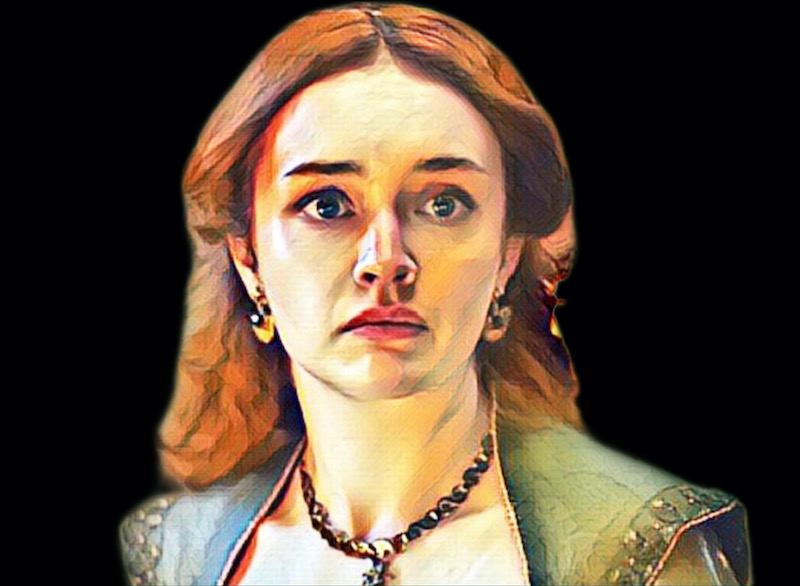
As she reports, pregnancy and childbirth were always easy, or tolerable. In addition to being an unfortunate nudge into the tragic reality of Aemma, whom she replaced, which is transparent if childbirth was easy, motherhood not so much. Without genuine love for Viserys, without satisfying sex with anyone, Alicent lives a dull life, without pleasures and only obligations. She tolerates the children, who unsurprisingly turn out to be unbalanced and aggressive. That’s why her envy of Rhaenyra is accentuated when the princess has the love of her father, and the admiration of men, and ventures out for immediate pleasures, whether flying her dragon Syrax or seducing men.
Alicent’s frustrations as a woman are projected onto those of her children. In the book she is portrayed as ambitious and articulate, creating problems for Rhaenyra because the princess takes the priority of the Crown away from the Hightower children. In the series, Alicent’s revenge is apparently more because Rhaenyra had what SHE didn’t have and much less because of her offspring. The truth lies in the middle, perhaps?
The fact is, Alicent and Rhaenyra couldn’t be more opposites when it comes to family, as we see in House of the Dragon.

The impact of motherhood on Rhaenyra’s trajectory
History says that Rhaenyra and Aegon II hated each other and fought fiercely for the Iron Throne, nearly extinguishing House Targaryen. At least in the series, the relationship between the two is practically non-existent, with no mutual expression of affection or coexistence. Rhaenyra’s half-siblings are contemporaries of her children, in a relationship we often forget to be that of uncle-nephews.
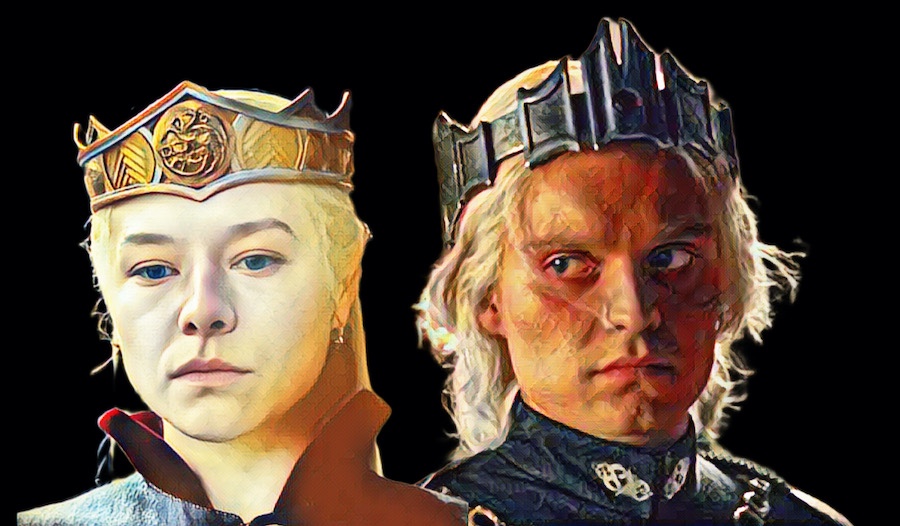
As a young woman, Rhaenyra had a horror of marriage as it would be a pleasureless obligation and hedonism is part of her DNA. That’s why she admired her uncle, Daemon, and male freedom. When she, initiated by him, understands that she can have it both ways – power and pleasure – she doesn’t look back. Motherhood was an inevitable function of her position and gender and we did not follow when the princess became pregnant and became a mother. We have already seen her giving birth to her third child, with no problems, and where we see her extremely affectionate and happy. Exactly the opposite of Alicent. Again.
And what a surprise motherhood brought Rhaenyra! As she was a beloved daughter, she is just dedicated to her children. Obviously – and the series has made it clearer than ever – they’re bastards, which is rubbing salt in Alicent’s and her half-siblings’ wounds, but Rhaenyra doesn’t care: they’re Targaryens, so that’s what she counts.
The healthy relationship she has with her children makes the tragedy that has barely begun, with the death of Lucaerys, even more meaningful to her. In the second season, we will have Rhaenyra personally going to fetch her son’s remains from a beach, a scene that is sure to be epic.
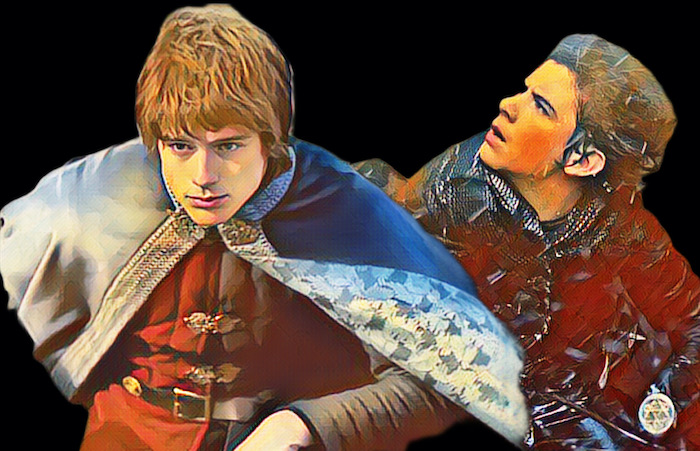
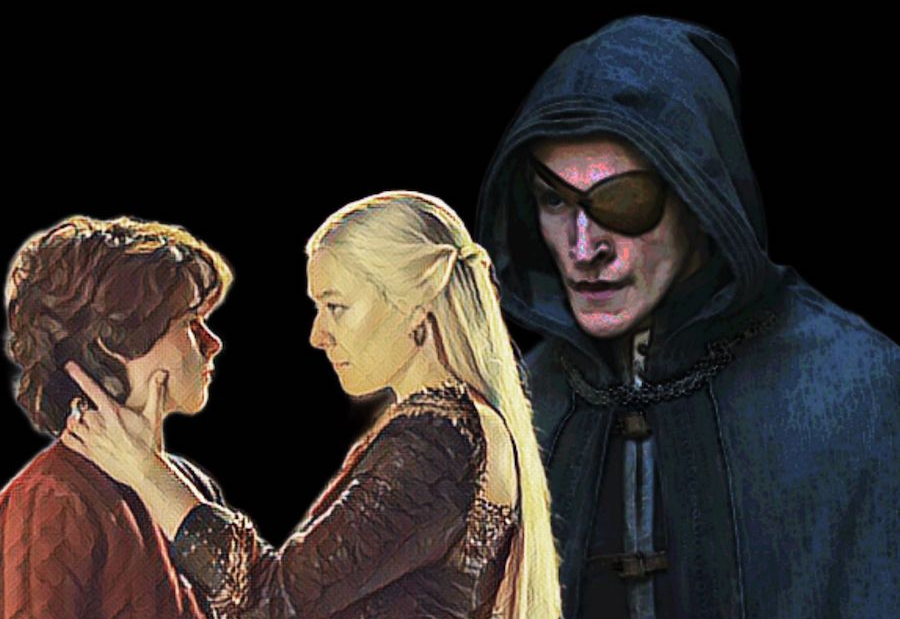
At the end of the story, only her children with Daemon will survive, and all the bloodshed will be because of each one of them. The Queen by right was still trying diplomacy to deal with the coup led by Alicent, but learning that Aemond “killed” her nephew will start rampant bloodshed among the Targaryens. And, the opposite of Alicent, she becomes desperate and tries in every way to avoid putting her children in danger. Rhaenyra has gone down in Westerosi history as one of the most protective mothers in all the Houses, putting her own crown at risk in an attempt to keep her children by her side.
In that way, the Dance of the Dragons is, in some ways, the War of the Mothers in House of the Dragon. And two leading mothers, fierce and complex.
Trauma, pain, and the ghost of a choice
There is an indirect casualty in Alicent and Rhaenyra’s attacks and that is the princess’ poor half-sister, Aegon’s Queen consort, Helaena Targaryen. Forced to marry her brother, she has three children whom she loves dearly, but who will be the target of Rhaenyra’s revenge (via Mysaria and Daemon).

Eye for an eye. Upon being blindsided by Blood and Cheese, Helaena is forced to choose which child “must” die and she makes the choice, only for them to kill another. Clairvoyant and flighty, Helaena never recovers and no one blames her. All children die tragically and violently, their own death – suicide or murder – almost a relief from an existence of pain, abuse, and trauma. Nobody takes away from her the title of Queen of Pain and the most tragic of Westeros’ mothers.
Rhaenys: Heirs in the Path of Rhaenyra and Daemon
Although the main focus is on relations in King’s Landing, at least in the first season of House of the Dragon, if the world were fair Rhaenyra’s father would never come close to the throne. The true heir should have been Rhaenys Targaryen, but dominant machismo passed the bloodline to male heirs.
Rhaenys married Corlys Velaryon in a union of love and is the mother of two children: Laenor and Laena. There is little confirmation of how she was with her children, but her affection for her grandchildren suggests that she was caring and present. Laenor, for example, was not judged for being homosexual, but there are slips. Whether it was for politics or because she embarked on Ser Corlys’s ambition, Rhaenys agreed that Laena should be considered for marriage to Viserys, a middle-aged man while she was only 12 years old. And Laenor had to marry Rhaenyra. Not quite a suggestion from a mother only concerned with their happiness.
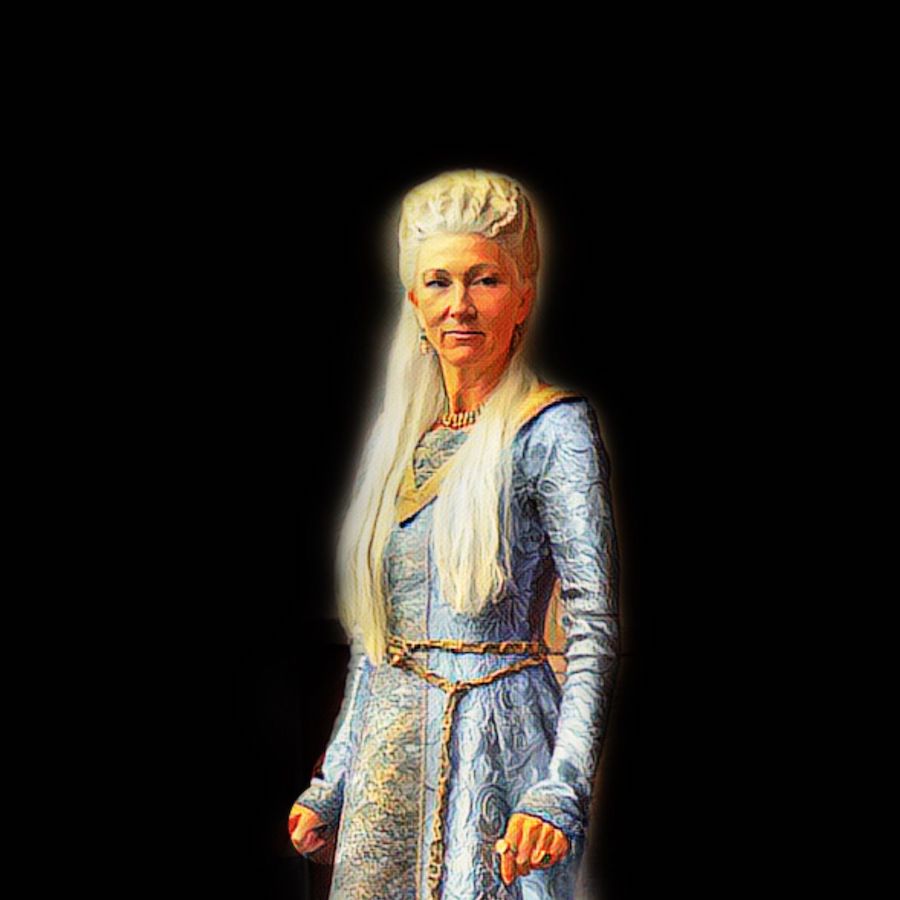
Laena chose to mate with Daemon, with whom she had two daughters, but died in childbirth with their third child. Before she could recover from this loss, Rhaenys discovered that Laenor had “died”. We know he ran off with his lover, clearing the way for Daemon and Rhaenyra to marry, but no one else has. the information. That is, Rhaenys lost both children in one stroke to the ambitious couple.
The love she felt for her children carried over to her granddaughters (she treated the boys well, but knew they weren’t Laenor’s). Witnessing Rhaenyra’s potential as queen and the fact that her granddaughters would be given greater prominence in her kingdom, she supported the fight of the blacks against the greens. Unfortunately, when Rhaenyra decided to ban Jacaerys and Joffrey from fighting, it was left to Rhaenys to face Aemond and Aegon alone. And just like that, she died. A mother’s love defines another’s destiny.
Bitterness and Ferocity: Catelyn Stark Defies the Lannisters for Her Children
In Game of Thrones, we had examples of complicated mothers, although the main ones were Catelyn Stark and Cersei Lannister, there are others that deserve mention. But let’s start with Catelyn who, on the show, fell into Littlefinger’s trap and sparked the War of the Five Kings, which paved the way for the War of the Two Queens.
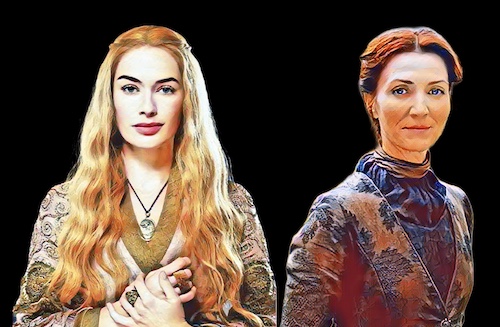
Catelyn married Ned Stark through a political arrangement between families, and he replaced her brother, her true betrothed. A union that was not born out of love, but grew genuine and yielded five children, even surviving the fact that Ned (theoretically) fathered the bastard Jon Snow already married to her.
Catelyn, we see, was an unbalanced mother. She had favorites (Robb and Bran) and kind of pushed others (Sansa, Anya, and Rickon), openly mistreating Jon. Yes, there is a confession that she once stayed up all night at Jon’s bedside because he was so sick he looked like he was going to die. Praying she promised to try to love him if he survived. But she couldn’t keep her word.
For her blood children, Catelyn became an animal. Suspicious of Bran’s downfall, she breaks protocol and ignores the King staying at her home to keep vigil beside her son. That’s why she intercepts the murderer in his room and, with her own hands, prevents the death of the boy who would one day become king. Unsatisfied, she arrested Tyrion – suspect #1, thanks to Littlefinger again – and declared war on the Lannisters.

Rather than return home and care for her young children, Catelyn has become Robb Stark’s main adviser in the war that rages on after Ned’s execution. She arranges a political marriage to ensure Walder Frey’s support and directly alerts her son when he fails to comply with the agreement. Not that she didn’t take dangerous turns herself, freeing Jaime Lannister in exchange for his word that he would release her daughters in return. Nothing went right for Catelyn, but her scream of pain, as she tried to save Robb at the Red Wedding, is one of the most memorable scenes in TV history. No one takes the crown of the most violent and dedicated mother in the entire franchise from her.
Dowager Queen, Explosive Queen: Cersei Lannister’s Legacy
It was popularly said that we could question everything about Cersei Lannister, except her love for her children. Bastards, like Rhaenyra’s, the heirs to the throne. And that’s why she attacked Ned Stark before he revealed the secret and put them at risk of death.
Joffrey, the eldest, was the most difficult of temper and control, vain, sickly, and dangerous. Knowing he would be king, Cersei was close to him, trying to guide him, but not always succeeding. Cersei was the only one to cry and try to help her son, the only one to support him in (almost) everything, and the only one to keep his memory intact. She didn’t want to share her children with anyone, wives or advisers. So much so that she takes horror from the Tyrells.
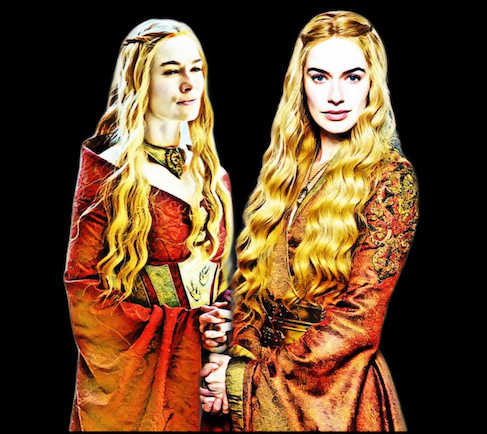
Their hatred of Tyrion already stemmed from the fact that their mother died giving birth to him, leaving her “alone”. It only gets worse because – to protect Myrcella – he marries his niece and sends her to Dorne. When Tyrion is suspected of poisoning Joffrey, he is defended by Oberyn Martell, who is killed by Cersei’s champion, The Mountain. Time, without Tyrion having anything to do with the issue, Oberyn dies and his lover, Ellaria Sand, decides to take revenge she kills Myrcella and with that takes Cersei seriously in relation to her brother and her. Cersei’s revenge is historic.
With Tommen alone, Cersei has the problem of the influence of everyone around her son, especially his wife, Margaery Tyrell. As a child, and under the threat of Stannis Baratheon’s invasion, Cersei was ready to poison him into allowing the child to be harmed. As an adult, after Margaery is killed in the explosion of the Sept, Cersei didn’t count on him feeling the oppression of power, preferring death. She feels betrayed by her son and relentlessly seizes power.
We say goodbye to a pregnant Cersei again. For her unborn child, she does not cede the throne to Daenerys. And even if the argument that it was an excuse, the fact is that until the end the child was her only concern. It doesn’t redeem it, but it brings another dimension to its end.
Mention of “other” mothers
Lysa Arryn, nursed her son until he was 13. Ellaria Sand teamed up with Cersei’s enemies to avenge Oberyn, only to witness her daughters’ deaths at her enemy’s hands. Cruel and scary.
Selyse Baratheon, who supports burning her only daughter, Shireen, to then kill herself, is the most criminal mother in the entire saga.
Of the satellite mothers, only Gilly is loving. She risks everything to save her brother, Sam. All are worth remembering to show how a mother’s love works in the series.

The Mother of Dragons
Daenerys Targaryen believed herself to be the last representative of the family, especially after the death of her brother, Viserys. Sold in an arranged marriage, she falls in love with her husband, Khal Drogo, and becomes pregnant. However, without knowing that she is the victim of irreversible magic, she loses everything: her son, her husband, and the possibility of becoming pregnant.
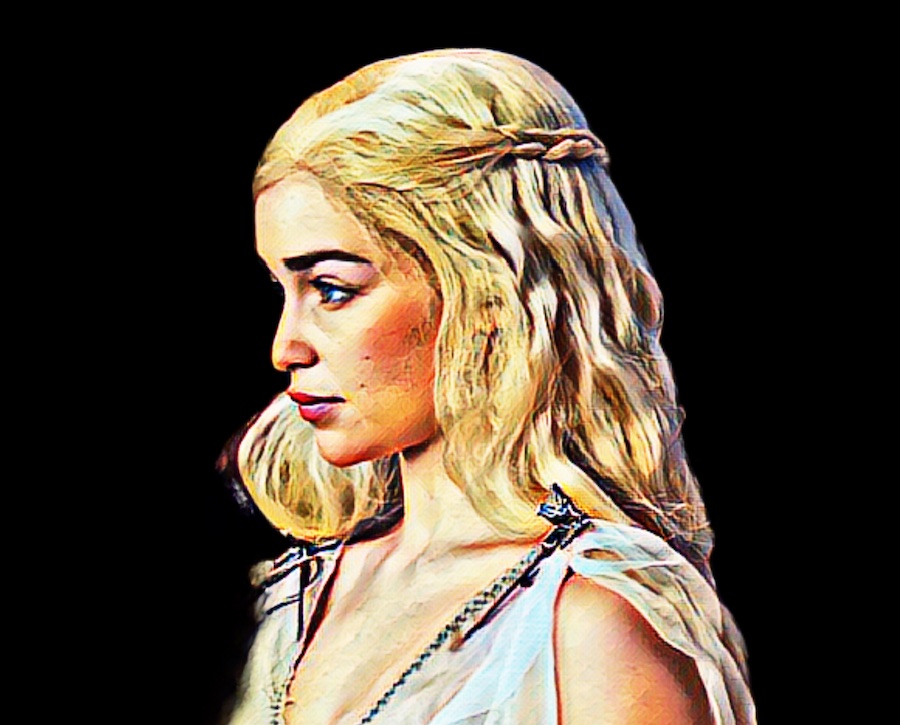

When your dragons are born, the first in centuries, they come to be and act like your children. In the books, she even breastfeeds them, but in the series, which had already shown Lysa Arryn, thankfully this was avoided. But Danny is a caring mother, attentive to Viseryon, Rhaegal, and Drogon, who all have different personalities. Drogon is the most attached and rebellious, but, in the end, because he is focused on his war against Cersei and his love for Jon, he ends up sacrificing first Viserion, killed by the Night King, and then Rhaegal, who is killed in an ambush near Dragonstone.
Drogon’s care and dedication in Daenerys’ final scene are unforgettable. Danny would have been a great mother, too bad the story took that away from her.
Descubra mais sobre
Assine para receber nossas notícias mais recentes por e-mail.
 miscelana.com
1 comentário Adicione o seu