
In 1983, Franco Zeffirelli released a rather daring feature film: the complete recording of one of Giuseppe Verdi’s most famous works: La Traviata. A luxurious and unforgettable production even 40 years later.
The opera, which turned 170 years old in May 2023, is one of my favorites and is a version of the work Dame Aux Camelias, by Alexandre Dumas, which was released as a book in 1848, but adapted for the theater a year before the sung production. Verdi, who saw a play in Paris (accompanied by Giuseppina Strepponi), was so enchanted that he composed the music immediately, even before being hired by a theater.

In Italian it refers to the “fallen woman”, the courtesan and main character of the story, Violetta Valéry who is the target of young Alfredo Germont’s passion. Their story is tragic and intense, in keeping with the taste of the time. His debut, on March 6, 1853, was at the opera La Fenice, in Venice and has some behind-the-scenes curiosities.
The libretto by Francesco Maria Piave divides the story into three acts. Like him, Verdi wanted to bring Dumas’ story to a contemporary setting, from the 1800s. However, the theater’s management feared a scandal, so it stayed in the 1700s, which did not hinder the success of the opera in any way. The final title replaced the previous two – Love and Death and Violetta – until La Traviata.
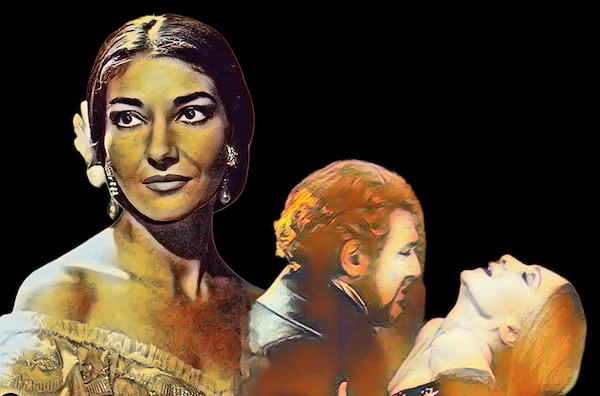
Violetta’s story is sad: she has tuberculosis and her days are numbered, which is why she intensely lives a life of addiction. The rich young man Alfredo falls in love with her and declares himself, which she initially rejects, but ends up accepting to have a few days of happiness. Months later, they fall in love in the countryside, where she is better. However, secretly, Alfredo’s father seeks her out and asks her to break up with his son because their connection is threatening the family’s reception and preventing Alfredo’s sister from getting married. She grants and maintains the confidentiality of the request. Alfredo, hurt at being abandoned, believes that she left him for another man and humiliates her when he finds her again, throwing money in her face. A while later, Violetta, alone and without money, is just hours away from death. Alfredo, now important to the sacrifices she made, comes to ask for forgiveness. The couple still has a few last moments before she dies in their arms.
All the censorship and the ban on updating the story were nothing compared to the soprano cast for the first night: Fanny Salvini-Donatelli was 38 years old and overweight, making it difficult to image a Violetta in fragile health on the verge of death. Said and done: there was laughter in the audience as this became history. Verdi was outraged and vented in a letter: “La Traviata last night was a failure. Was it my fault or the singers? Time will tell.” The answer came quickly. The following year, with some adjustments, Violetta was performed by Maria Spezia-Aldighieri and the opera became what it is today: one of the composer’s greatest successes.


It’s hilarious to think that having a court play a central role in the story was scandalous, but it was the fact for many years, making La Traviata something immoral and daring to set up and watch. For those who follow The Gilded Age, it is worth mentioning that the first production of the American opera was at the Academy of Music, in 1856.
Franco Zeffirelli‘s film version is considered one of the definitive recordings of the work. He, who had already performed productions on loan at the theater, having even directed Maria Callas in the role, decided to immortalize the soprano Teresa Stratas and the tenor Plácido Domingo in the central roles. The soundtrack, led by James Levine, won the Grammy for Best Opera Recording that year. Critics appreciate that the film and its flashback narrative worked better on screen than on stage. It is still considered one of the best operatic recordings ever made. I love Vladimir Vasiliev and Ekaterina Maximova‘s quick cameo in one scene, of course.
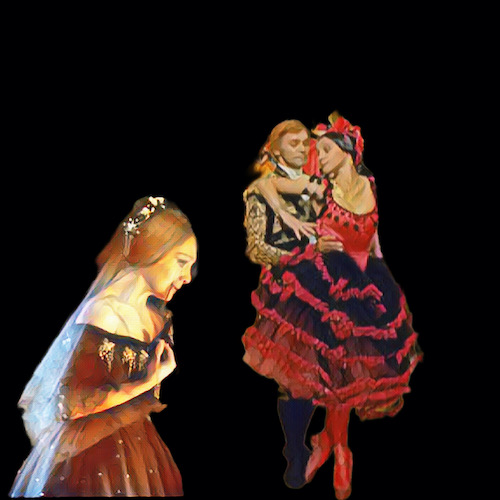
Zefirelli’s La Traviata was nominated for two Oscars: production and costume design, having won the BAFTA in both categories. A classic and always a great request.
Descubra mais sobre
Assine para receber nossas notícias mais recentes por e-mail.
 miscelana.com