
It’s that time of year when Tchaikovsky is the soundtrack in four parts of the world. In 2022, we remember the 130th anniversary of the first production of The Nutcracker as well as several interesting facts about the work. Well, the most classic version – for some (like me) the unbeatable – is George Balanchine‘s version, which turns 50 in February 2024.
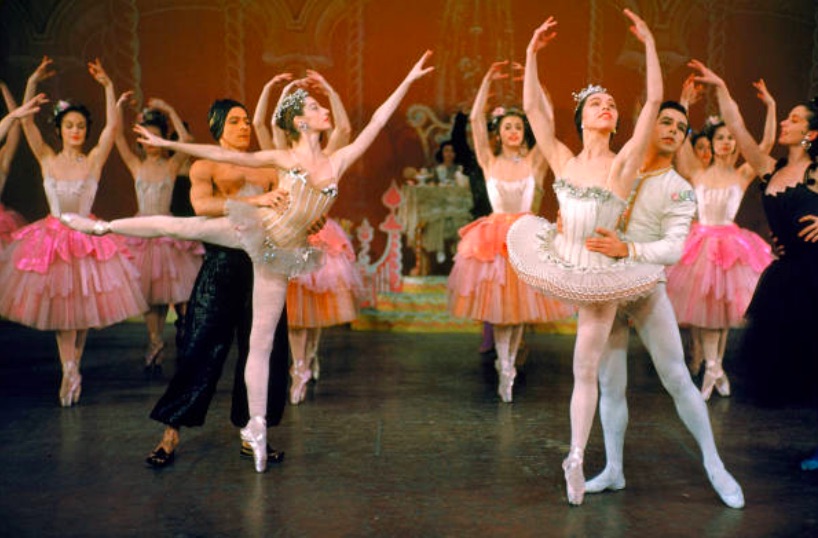
Created for the New York City Ballet and using a lot of memories of the Christmases that the choreographer experienced as a child in Russia, the production is considered an obligatory Christmas program and I confess, because I saw it live at Christmas a few years ago, it is really moving. It’s out now and it’s one of the most perfect things created by Balanchine, filmed in 1992 and timeless.
When it opened in 1954, there were 90 dancers, 62 musicians, 40 stagehands, and more than 125 children, all studying at the School of American Ballet. That’s right: it’s the ballet that marks every dance professional, who, invariably, at some point, danced The Nutcracker as a child. That’s why it’s also so magical, like the tree about 12 meters high that marks the beginning of Clara’s dream. Whether in the audience or on stage, the reaction is the same, I guarantee it. Sweet, happy, and hopeful.
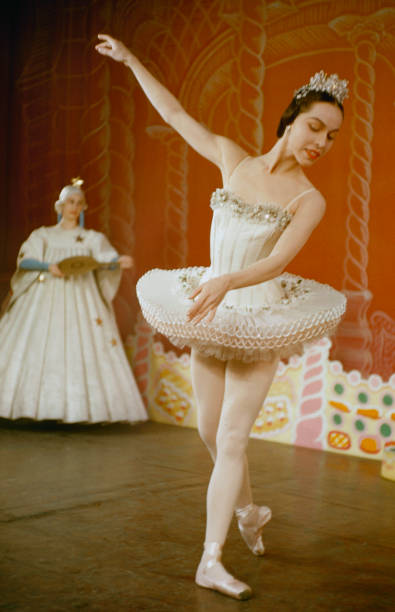
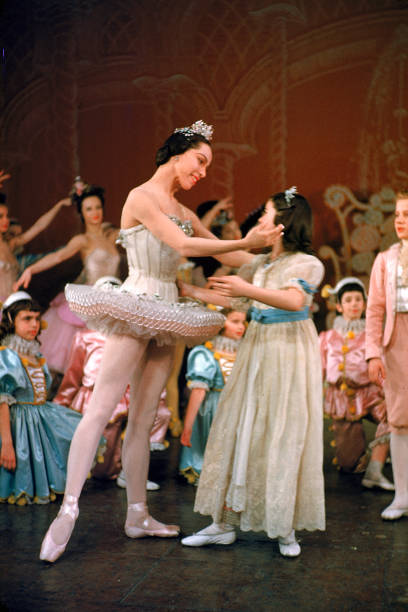
Among all the classics, this work of two acts and a prologue is the one that marks the worldwide tradition of putting together The Nutcracker. In the case of Balanchine, it is also one of the most complex in the Company’s repertoire.
Another highlight, although I sometimes didn’t like it, is the colorful costumes created by Karinska, as well as the magical sets by Rouben Ter-Arutunian. Each color, strong or pastel, reflects a memory of the creator, aligned with stage elements and lighting designed to intensify the imagination with visual effects often applauded in the open scene. Be it the snow that falls in the first act, the Christmas tree that grows from 4 to 12 meters in an important scene, the comical figure of Mother Ginger measuring almost three meters wide, and a skirt that demands nothing less than a team of three people to move, there is no shortage of moments of sighing.
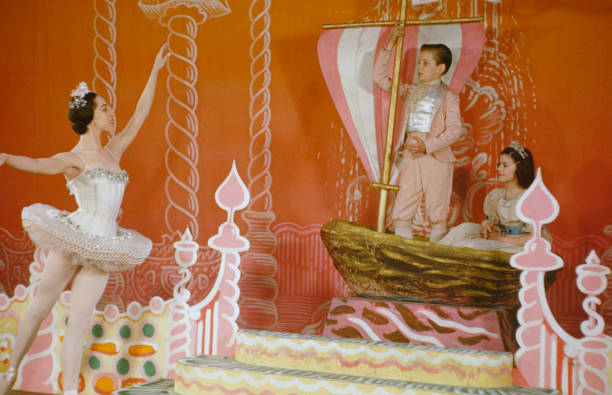
In the first act, at the Stahlbaums’ Christmas party, Marie (Clara) and Fritz play with friends and look forward to exchanging gifts. Marie’s godfather, Herr Drosselmeyer, and his nephew bring life-size dolls, but it’s the little nutcracker that delights the girl. Fritz breaks it, and Drosselmeyer fixes it, but after everyone leaves, she goes back to the living room alone to sleep near the toy. In an ultra-real dream, she shrinks to the size where she is the same height as the dolls and the mice, which attack. She is saved, of course, embarking on a magical journey into the world of sweets before waking up in the living room unsure of what “really” happened.
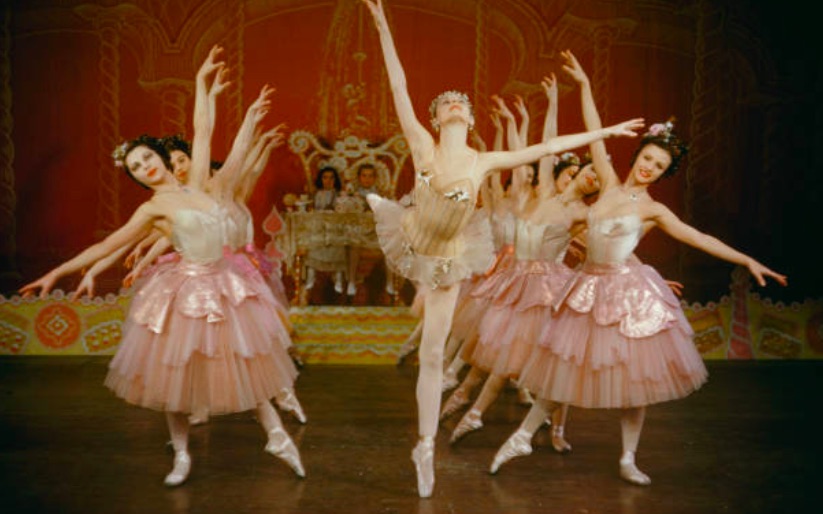

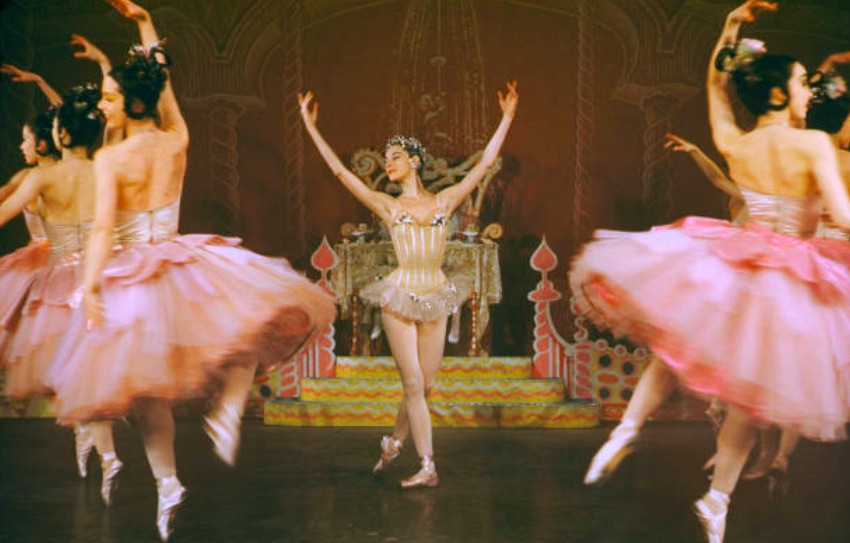
In the second act, Balanchine made important changes. The Sugar Plum Fairy’s solo is one of the first movements of the second act and the pas-de-deux, after a stunning Waltz of the Flowers (whose first soloist was the enchanting Tanaquil LeClerc) is a physics challenge for the dancers. That’s why it’s worth looking at the film with Macaulay Culkin to understand part of what I’m describing. They may be 70 years old, but they haven’t aged at all.
Descubra mais sobre
Assine para receber nossas notícias mais recentes por e-mail.
 miscelana.com
2 comentários Adicione o seu