
For fans of Game of Thrones, seeing Yara Greyjoy well dressed, polite, and speaking fluent Spanish is fun, but for those who follow the varied career of actress Gemma Wheelan, this is another role in which she will show us her versatility. In Cristobál, the Spanish series of just six episodes available on Star Plus, she plays journalist Prudence Glynn, who was a columnist for The Times in England and who achieved a historic feat: an exclusive with the elusive, revolutionary and mysterious designer Cristobál Balenciaga.
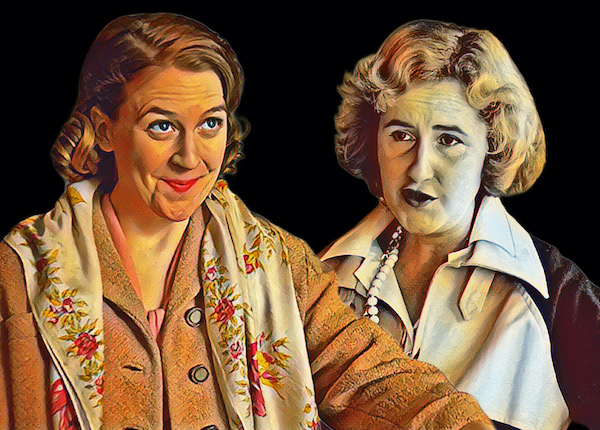
The British newspaper’s fashion editor, as she appears in the series, ‘chases’ Balenciaga at Coco Chanel‘s funeral, wearing a scarlet ensemble that stands out amid the sea of black models (lots of Chanel, of course). The year was 1971 and she didn’t go to Paris (just) to pay homage to the French designer, but to meet the “Leonardo da Vinci of Fashion”: Cristobál Balenciaga (Alberto San Juan). The Spaniard, averse to any contact with the public (and even more distant from the press), had retired three years ago and had only given a single interview in his life, hating being photographed or approached by fans. Prudence’s set was, what a doubt, signed by him and helped break the barrier. From this meeting would come an article that recorded the genius of an artist who fought to stay behind the scenes. It is also the backbone of the series, a pearl that opens the year 2024 with sensitive and obligatory content.
If Balenciaga was a mystery, the journalist not so much. In 1971, Prudence had already been in charge of fashion content at The Times for 15 years, being its first editor and known for her acerbic-informal style of writing. She remained in the position until the mid-1980s. Because she had a good reputation as a fashion expert, Prudence convinced Balenciaga to give an interview, which took three days, and where he opened his heart like he had never done with anyone before or since. Balenciaga would die a few months later, at the age of 77, and the article became one of the only two biographical materials with his testimony. And the only one he didn’t regret.

Published in August 1971 with the title Balenciaga and the Life of a Dog (Balenciaga et la vie d’un chien, the designer’s own words during the interview), the article paradoxically contributed to contextualizing and further fueling the aura of the enigma that marks Balenciaga’s trajectory in fashion and in private life. And for the record: as is clear in the series, a Balenciaga piece was not cheap, Prudence was able to have one because she was a baroness by marriage, and her husband, the Anglo-Irish nobleman David Hennessy, the third Baron Windlesham.
Born Prudence Loveday Glynn, the journalist was the daughter of a retired army officer and a housewife, having grown up and studied in Sussex. As soon as she graduated she worked in advertising and stumbled into the world of fashion when she worked with Frank Usher. She then began to stand out as a journalist, writing for women’s magazines until becoming the fashion editor of Woman’s Mirror magazine, aimed at a younger audience and which revealed the model Twiggy to the world.
She was already married to Conservative Party politician David Hennessy, also Baron Windlesham, when she was hired to be the fashion editor of The Times in 1966, a strategic and editorial decision by the publication to expand the newspaper’s image with the creation of a women’s notebook, without restricting itself to homemade cooking recipes or traditional Bond Street fashion. It was only in 1967 that women began to sign her articles and with that Prudence’s name quickly became known in the fashion world.
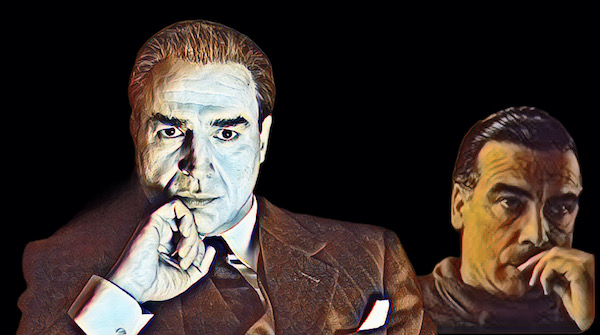
What readers liked was the journalist’s witty and scathing style, but what fashionistas resented was that it seemed that Prudence didn’t treat the world of fashion as seriously as she should have, something even more curious to understand how the reclusive Balenciaga opened up precisely with her.
During her tenure as Fashion Editor, the section became a reference in the United Kingdom, including everything from traditional designers to young people from Swinging London, as well as promoting high street brands. Although in the series she seemed sweet and soft, her personality was paradoxical. A pre-Prada Miranda, in her 1986 obituary, was described as “feared and respected rather than loved.” But he also defended her as kind and generous.
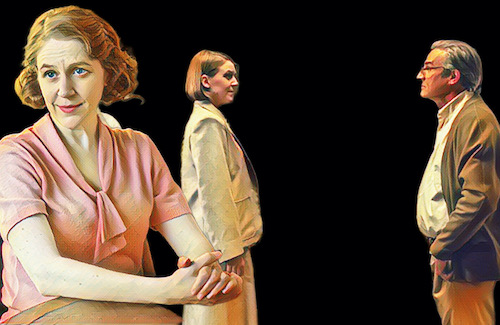
Her exclusive interview with Cristobál Balenciaga landed her in Fashion History, but in her articles, she was already known for being critical and championing British designers and emerging talent. At the end of her career at The Times, she started to have a weekly column and no longer headed the Fashion section. A year before her death, in 1986, she transferred to The Guardian. She has published two books on fashion and was an international reference, giving testimonials on TV programs and documentaries. He died at the age of 51, due to a cerebral hemorrhage.
In some way, her courage to insist on the interview must be highlighted in the series. There is not a single sound recording of Balenciaga’s voice, although the explanation lies in the suggestion that he kept the tapes, the truth is that she promised him to erase them after using them.
Descubra mais sobre
Assine para receber nossas notícias mais recentes por e-mail.
 miscelana.com