
There are two weeks left until the premiere, but the soundtrack for the series The New Look has already taken the lead with a new single by Florence + The Machine: The White Cliffs of Dover, a choice that reinforces the likely importance that Christian Dior‘s sister (Ben Mendelsohn), Catherine (Maisie Williams) will feature in the narrative. Catherine, who fought against the Nazis in World War II, was very close to Christian and his main heir. So Florence Welch‘s cover of the 1942 classic is more than adequate.
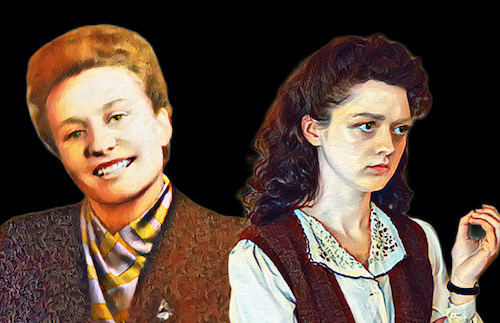
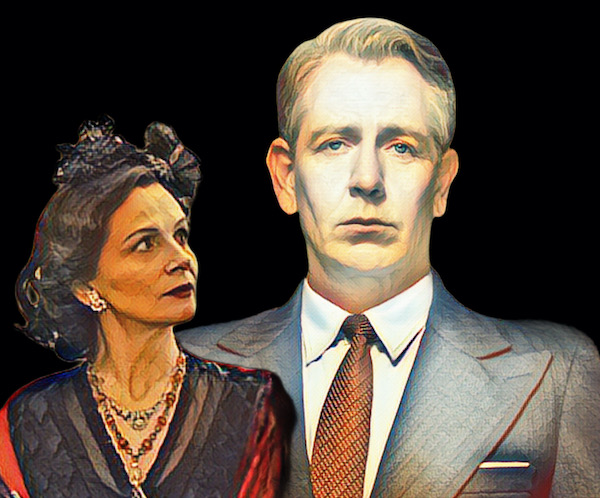
If you find the singer’s orchestration and vocal style strange, it’s because she is faithful to the original recording, made by vocalist Vera Lynn 82 years ago. Known as (There’ll Be Bluebirds Over) The White Cliffs of Dover, the song was one of the most popular during the world conflict. Written in 1941 by Walter Kent and Nat Burton, it became one of singer Vera Lynn‘s signatures, awakening nostalgia and hope experienced in those uncertain years.
The White Cliffs of Dover was really a song of war and for the War. Written about a year after Royal Air Force aircraft faced German Luftwaffe aircraft in southern England, it refers to one of England’s best-known settings: the White Cliffs of Dover. At the time, Nazi Germany had already conquered much of Europe and in 1941 was still bombing Britain frequently. It was a period of uncertainty and fear, which films such as Atonement, which also used the song on the soundtrack, highlighted. This is because before counting on support from the United States and the Soviet Union, Great Britain fought alone against the Axis powers in Europe. It was a period whose British Arts highlighted English heroism, with Laurence Olivier starring in and directing Henry V and musicians also trying to contribute.
Nat Burton, who was American, wrote its lyrics and asked Walter Kent to create the melody. The song was about the hope of an end to the War that would bring peace to the continent, after all, the cliffs mark the symbolic border between Great Britain and the European continent.
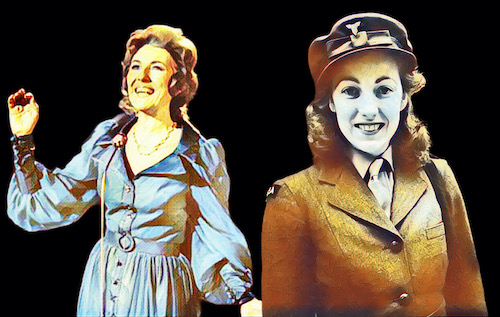

Vera Lynn sang the hit in performances for troops during the war, but the song only became known in the United States when the Glenn Miller Orchestra recorded The White Cliffs of Dover. Its popularity on the charts increased after the attack on Pearl Harbor and the entry of the Americans into the War. At this point, it was Harry Babbitt’s voice with Kay Kyser and His Orchestra’s signature that played most, no longer Vera Lynn‘s version. Recordings by Kate Smith, Sammy Kaye, and Jimmy Dorsey were also popular, but it was with Louis Prima and his Orchestra, in 1944, closer to the end of the War, that it reached 9th position on the Harlem Hit Parade.
After the war, in the 1950s, The White Cliffs of Dover continued to be present in the repertoire of great stars, from Connie Francis, Bing Crosby, and Ray Conniff to The Righteous Brothers, among others, but, little by little, it became better known. in England. Until 1995 it was still successful, with covers by more recent artists.
Unfortunately, over time there were also controversies. In 2009, the song was used in an anti-immigration album by the British National Party (BNP), leading Vera Lynn to open legal proceedings for unauthorized use of her version. In fact, Vera Lynn’s recording is so definitive that Florence + The Machine‘s re-recording barely updated it in any way. Vera, who was her country’s most popular World War II vocalist, died aged 103 in 2020, with fans suggesting erecting a statue of her on the White Cliffs of Dover as a tribute. But her family chose another location for the memorial that includes, in addition to the singer, “all those anonymous heroes who entertain in times of conflict”, but the work has not yet been inaugurated.

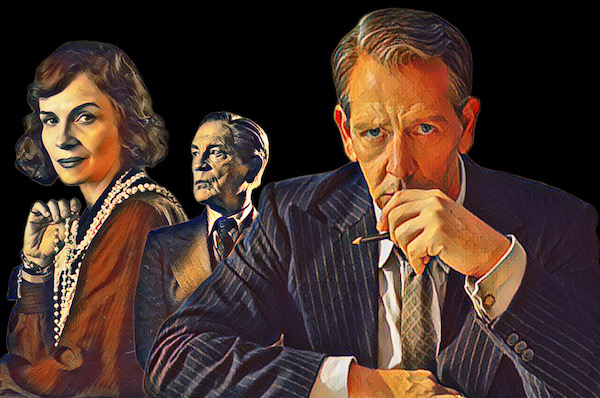

The New Look soundtrack includes other covers of hits from the series’ period, including artists such as Lana Del Rey (who sings Blue Skies) and Nick Cave (who plays La Vie En Rose, by Edith Piaf), among others. Florence + the Machine was the first single. Approved?
Descubra mais sobre
Assine para receber nossas notícias mais recentes por e-mail.
 miscelana.com
2 comentários Adicione o seu