
We are close to the conclusion of The New Look and we still follow Dior (Ben Mendelsohn) and Cbanel (Juliette Binoche) following parallel paths, always highlighting that, although with similar pains, to survive, they could not be more opposite in temperament and choices. It’s practically two series in one, with Chanel bringing adventure and suspense to the plot, while our empathy with Dior is always for his silent dedication and loyalty to his family.
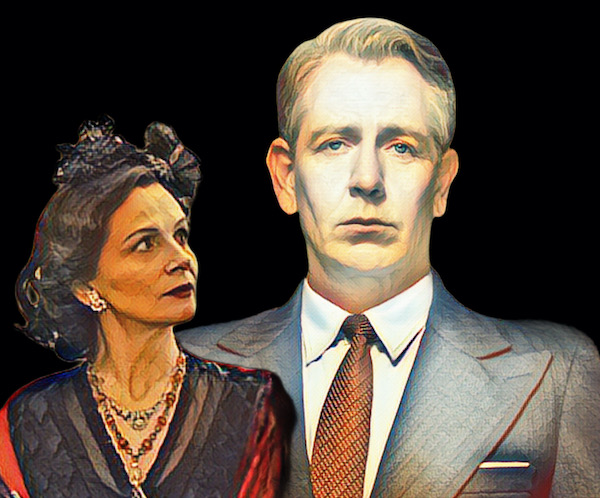
Chanel’s trajectory doesn’t just make us angrier because Juliette Binoche brings dimension to the questionable choices of a survivor, a woman who had simple origins and rose as a businesswoman and began to circulate among the rich and famous, only to see her world weaken when got involved with the wrong side of the War.
While Dior is dealing with other post-war dramas, the French designer is aware that if she is exposed for her involvement with the Nazis, she will be finished. It is undeniable that Chanel consciously got herself into trouble in her life when she was “induced” to work as a spy for the Germans, against her will and, once again, for survival.
Her commitment to rescuing her brand, especially perfume No. 5, as well as helping her nephew, have been used as the driving force behind a series of unfortunate decisions that have forever tarnished her reputation. What gets a little tiring for us, today more than aware of what she did, is understanding that at that time few knew and The New Look shows Chanel’s, eventually futile, effort to hush up the case. In eight episodes the anguish gets a little tiring.
Chanel’s panic is justified
Chanel made her own bed when she got involved with the Germans and the return of the profiteer Spatz, who has the documents of Coco Chanel’s mission as “Agent Westminster” in his hands, is enough for her to try to deal with the blackmail.
I don’t know how she trusted her ex-lover, the series at least leaves us with that doubt, but she believes that the Nazi wants to help clear her name, but he needs money to stay hidden. She gives in and makes everything worse for her again. After all, she already has Elsa on her side, a talkative “friend” who is now addicted to the tranquilizers that Chanel taught her to use. It’s easy for Patz to bring the two into conflict again because a terrified fashion designer soon becomes paranoid.
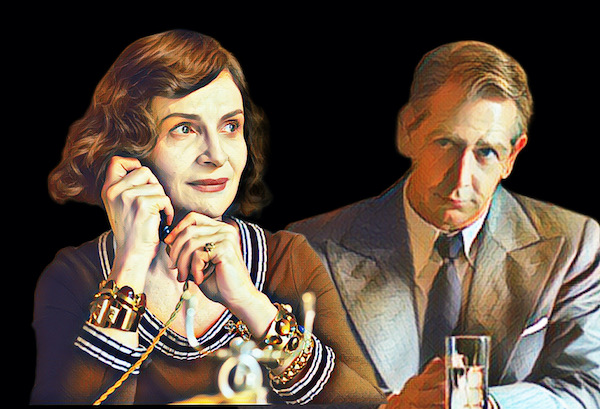
Eventually, she moves away from the two and decides to take the risk without them. It seems to be her best decision in a long time. Sought after in Switzerland by American journalist Carmel Snow (Glenn Close), who is in Europe for an article for Harper’s Bazaar, Chanel is questioned about her exile, but she maintains that the stories circulating about her “are just rumors”.
The designer takes the opportunity to show off her new perfume and asks for “help” to return to Paris, but the evidence of what she did in the War is very obvious and makes this almost impossible for now. Still, Carmel agrees to take samples of the new product and give it to some important people. Chanel’s drama will only get worse because the police are closing in on everyone who has evidence against her, Elsa too, being arrested after fighting in a pharmacy. At this point, we’re already begging them to end the drama soon, but it’s still going to pay off.
Dior’s concerns and inspiration for the Bar Suite
With Madame Zehnacker’s steady hand leading the business, Dior only has to create his collection, but his soul is not yet in the task. He has to be convinced to meet with Carmel Snow, who is looking for the most important story in post-war haute couture but hesitates precisely because he knows that he is missing a piece that defines his vision, something that the fashion editor realizes when has hidden access to the first drawings.
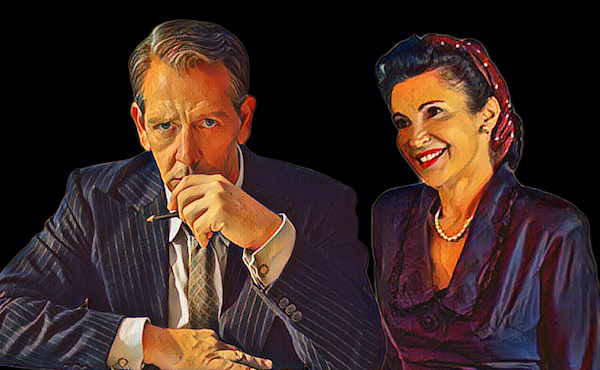
Here The New Look brings a less boastful vision as Cristobál suggested, with a shy Dior averse to personal marketing. Trying to maintain ethics with his competitors, he looks for models for his studio so he can finally create. He doesn’t want to steal from the professionals who work in the market, he needs new faces. In post-war times, an additional challenge is what irritates the practical Madame Zehnacker. All this so that we can meet her muse, the model Marie-Thérèse, who she finds in the crowd and chooses her personally.
It’s a delight to have Glenn Close as Carmel Snow, just as the Star Plus series showed, she looked for Balenciaga (Nuno Lopes) before Dior, she didn’t get along with Balmain and I just wish she had had a scene with Lucien Lelong (John Malkovich) to have had a Dangerous Liaisons reunion in Paris, 40 years later. Cinephiles will understand me…

What is somewhat clear is that Dior suffered a lot of family pressure. Although Catherine (Maisie Williams) is better off living with her father, she is still traumatized and there is something they will reveal about the girl’s photo of the concentration camp. The Diors’ father creates additional drama for the designer: his commercial failure not only brought the family down materially, but the emotional trauma leaves Christian Dior even more insecure about venturing alone into a business with all the signs that it could go wrong.
Just as he had the mission of taking care of Catherine, it falls on Dior’s shoulders to stop what he is doing to go visit and convince his brother Bernard to return home. He is in an asylum, and their reunion is emotional as they remember their past and their mother’s expectations about their future. Bernard recommends that his brother let the light shine within himself and not submit to family pressure. Yes, that’s one of the details of The New Look: no matter what she does to please, and it’s always a lot, even Catherine is a bit of a tyrant towards her brother. Everyone seems to live their lives but it’s up to Christian to support them and even more so, obey them. It’s no surprise he’s so insecure and less creative.
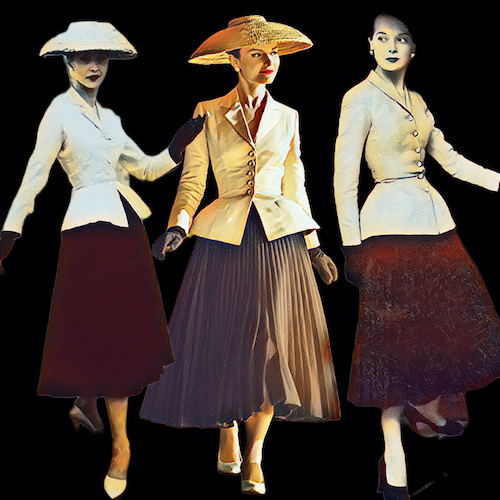

That’s why his father’s sudden death creates more guilt in Christian, especially for not going to visit him when he begged. The refusal was because he was busy with the new business and although it is what will support everyone, somehow he is still antagonized by his choice. In the impetus of grief, Dior takes all the sketches off the walls, cries a little, and finally connects. When Madame Zehnacker asks where the drawings from the collection are, she finally hears what she needs: Dior has found “the piece.” Yes, we see the bar suit on the sheet of paper, the piece that brings light overcoming darkness. Now it’s time for the legendary parade on Avenue Montaigne.
Descubra mais sobre
Assine para receber nossas notícias mais recentes por e-mail.
 miscelana.com