
It is undeniable that, compared to films from 40 and 30 years ago, Hollywood seems to have spent the last 20 years much more “chaste”. There is nudity, and there is sex on the screen, but comparatively much less than in previous decades. As everything in fashion is cyclical, cinema is not immune. The success of Babygirl in Venice, placing Nicole Kidman as the favorite for the Oscar for Best Actress in 2025, is, for many, a sign of the “return of erotic thrillers”. Is it?
Nicole has never been “strange” to the subgenre; her first successful film, Dead Calm, includes a controversial sex scene with Billy Zane and nudity of the actress. In Malice, from 1993, and the excellent To Die For, from 1995, she also stars in sex scenes and stories where the female protagonist fits exactly into the cliché of the time.

There are long studies on erotic thrillers or sexual thrillers and the main characteristic of films that fit this definition are, of course, nudity and sex because the story revolves around issues where pleasure and danger are central to the plot.
The absence of productions with more explicit scenes may have been an immediate consequence of the new feminist movement, which began to question the exploitation of female nudity because if you look back at films from the 80s and 90s, most of them seemed to be “gratuitous” and sometimes even flirted with soft porn. In 2001, a friend laughed embarrassedly next to me when we were at the cinema watching Angelina Jolie and Antonio Banderas in Original Sin, which is an erotic thriller with sex scenes that could be “soft porn”. It seemed that many films were like this.
The genre gained strength and distinction in the late 1980s. Still, for me, it is clearly symbolized by directors such as Brian DePalma, Adrian Lyne, and Paul Verhoeven, especially because the most acclaimed and iconic films are by them. The director of Babygirl, Halina Reijn, cited works such as Nine and a Half Weeks of Love as inspiration and the scene where Harry Dickinson dances to the sound of Father Figure, by George Michael, is an explicit “homage” to the formula of sex-photography-pop soundtrack-naked and beautiful actors that are typical of the period.
To understand and be more precise, I am talking about Erotic Thriller but the truth is that what would be experiencing a revival is eroticism per se. Babygirl is a drama with erotic charges, it has suspense, but it is not a thriller. The fact that the director also cited Fatal Attraction and Basic Instinct as references is what brings up the discussion of suspense, but not every sex scene is just from thrillers. What Hollywood knows is that sex and mystery “sell” and has made fortunes out of it.

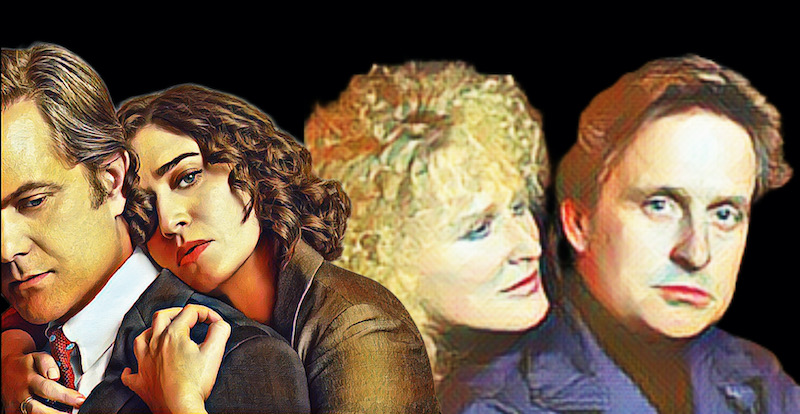
It was precisely the enormous popularity of the film starring Glenn Close and Michael Douglas in 1987, which gained a revival in series format in 2023, that was identified as the beginning of the golden years of the genre, which dominated the screens until 1995. The decline occurred because the wave of erotic thrillers straight to video or TV, without a story that really supported the quality of the work, exposed the “algorithmic” fragility of exploring the formula to generate numbers and ended up creating fatigue in the process. In addition, historians add that with the Internet, those who wanted to see only sex went straight to cheaper and more explicit sources.
In general, the algorithm of erotic thrillers includes sex, pleasure, crime, suspense, and obsession, with often punishing conclusions marked by male victory (literal and moral). One of the “problems” of the genre is the role of women in the plot. As the “femme fatale”, she is usually attractive, mysterious, seductive, and manipulative, always responsible for “getting the man out of the way”, a sexist formula that is uncomfortable today. Explicitly sexual women were punished and villainized, and men were always “victims” of their charm.
The success of Babygirl has been to invert the formula in some way (it is more than that, I just mention it as an example), but the “classic” always maintained the dynamic of women – as villains – using men for sex and crime. A reflection, scholars say, of male insecurity after the feminist movement of the 1970s, which fought to give women respect and space in the job market, thus, in cinema, the response was to reflect male anxiety about female independence by associating body and sex with weapons. This is also why Sex and the City, today so shy and limited even for women, was so revolutionary by showing independent women “having sex like men” but far from being “femme fatales”.


In addition to overexposure, the decline in popularity of the genre, before the turn of the millennium, was also due to the period of fear of AIDS, a disease wrongly and simplistically associated primarily with sex, but which was epidemic at the time.
Due to the culture of fear that prevailed at the time, the formula of punishing pleasure with death (and preferably violent death) was so common in films. Just as Fatal Attraction and Basic Instinct were box office hits, flops like Showgirls and Jade are seen as the benchmarks for failure, with Hollywood gradually moving away from investing in films like this.
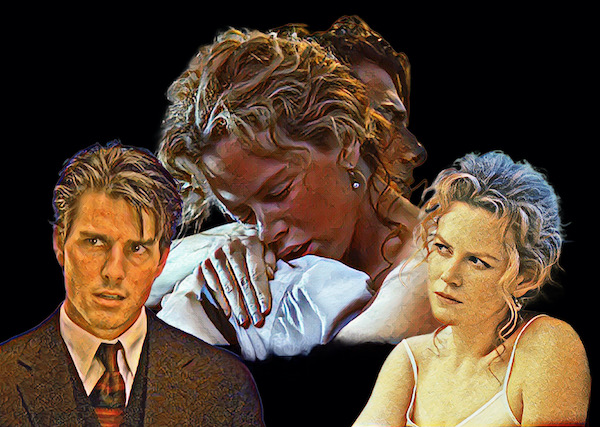
Returning to Nicole, when Eyes Wide Shut was still being filmed, the most well-known rumors about behind-the-scenes events were precisely her sex scenes with Tom Cruise and other actors, as well as the famous orgy scene. When the drama hit the screens with a deeper storyline, it somehow disarmed the audience and made them uncomfortable.
What is supporting the return of sex to the screen, according to critics, is what was a hit at the Venice Film Festival in 2024. In addition to Babygirl, there are sex scenes with Daniel Craig in Queer as well as “There is a lot of sex on the beach in Alfonso Cuarón’s Disclaimer”, a film starring Cate Blanchett. As the article in The Hollywood Reporter says, Venice brought “eroticism of all varieties: gay, straight, perverted and theoretical”.
What obviously needs to be emphasized is that the return of sexy cinema is establishing “the new morality”, with less stereotypical and less chaste roles as well. Sex is not meant to shock or embarrass actors, but it has a reflective and exciting purpose. “The goal of the new hot and heavy cinema is more therapeutic”, explains THR. Or, as Harry Dickinson’s character explains to Antonio Banderas in Babygirl, trying to understand what is happening using past concepts “is an outdated idea of sexuality”.
The fact that critics feel compelled to cite the sex scenes in the featured films kind of suggests an awakened libido, that is, the authors hit a dormant nerve. There are reportedly “two explicit sex scenes in Bradley Corbet’s The Brutalist,” as well as Queer. Why, after all, is it the sex that deserves to be highlighted? Because it sells?

Either way, it’s welcome. The director of Babygirl was quite clear in explaining her inspiration: “As a consumer, sometimes I just want to see a hot movie, a sexy movie with hot people in scenes that turn me on a little bit,” she said. “As a woman with my desires, I always felt like an alien. And these movies [erotic thrillers from the 1980s and 1990s] kind of told me that these darker desires were acceptable, even though, at the end of the movie, the woman is mostly punished. This movie [Babygirl] is my response, my female response, to those movies.” It really speaks to these films and looks at the male gaze with a bit of humor. I’m exploring the issues of power and sex in our current moment, but having a little fun with it too,” she added.
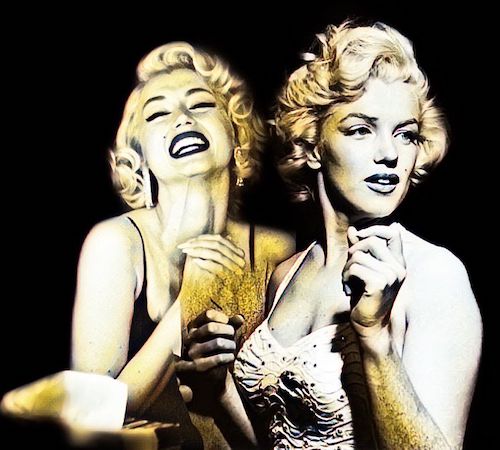
This is the official opening of the new erotic thriller version 2.0. Will it please? I, for one, didn’t like The Idol or Blonde, but I’m open to changing my view.
Descubra mais sobre
Assine para receber nossas notícias mais recentes por e-mail.
 miscelana.com