
In 2024, the 85th anniversary of the release of the classic The Wizard of Oz will be celebrated, but, paradoxically, the one who stands out seems to be the antagonist, the Wicked Witch of the West, or, as she was known privately, Elphaba. Her story, changing the perspective of the original work, is told in Wicked, the musical starring Cynthia Erivo and Ariana Grande, which opens in theaters in time to score some Oscar nominations.
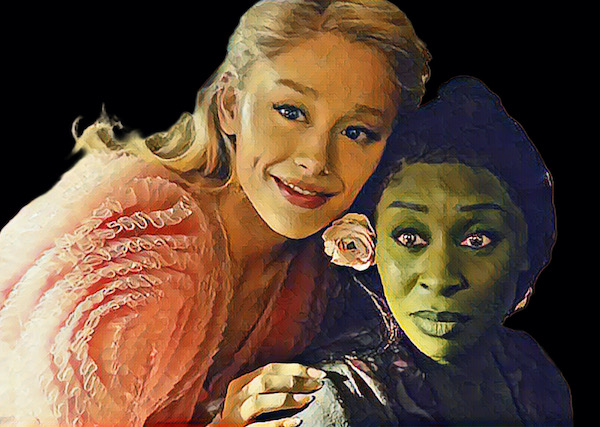
The highly awarded Broadway musical, which won three Tony Awards, seven Drama Desk Awards, and a Grammy, is an adaptation of the novel of the same name written by Gregory Maguire, which reimagines the classic story of The Wizard of Oz from a different perspective by providing a backstory for the antagonist of the original tale by L. Frank Baum. It basically subverts the expectations and message of the work.
Wicked delves into the backgrounds of several characters, most notably the witches Elphaba (the Wicked Witch of the West) and Glinda (the Good Witch), but includes the Wizard of Oz himself. In the case of the well-known antagonist, Elphaba, he imagines her as a misunderstood and complex character, rather than the purely evil figure that Dorothy saw. From Elphaba’s perspective, there are other motivations and struggles, making us question whether we could call her a “villain.”
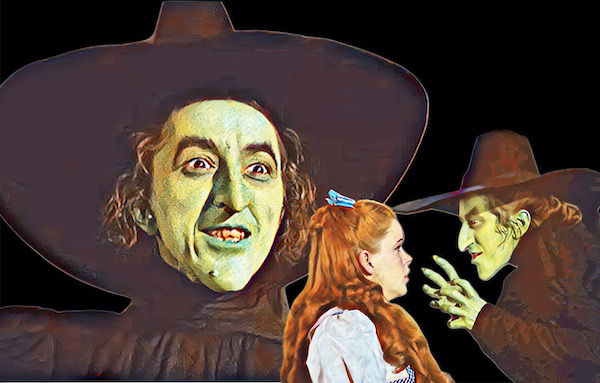
The reception of Wicked, both in book form and on stage, varied among critics precisely because it “dared” to revisit such an established classic. The novel, Wicked: The Life and Times of the Wicked Witch of the West, was published in 1995 and received mixed reviews. Some praised its imaginative reworking of the classic The Wizard of Oz and its complex exploration of themes such as power, identity, and morality. However, some found the narrative overly dense and the tone inconsistent. Nevertheless, the novel became a bestseller and developed a strong following, particularly among readers who enjoyed its darker, more adult take on the family story.
The musical premiered in 2003, with music and lyrics by Stephen Schwartz and a screenplay by Winnie Holzman, and was equally divisive among critics, but was a huge commercial success, particularly for the talents of its leads, Idina Menzel (Elphaba) and Kristin Chenoweth (Glinda). With elaborate sets, costumes, and special effects that were admired, the musical became a Tony favorite, with Idina winning the Tony Award for Best Actress in a Musical. The songs Defying Gravity and Popular became classics.
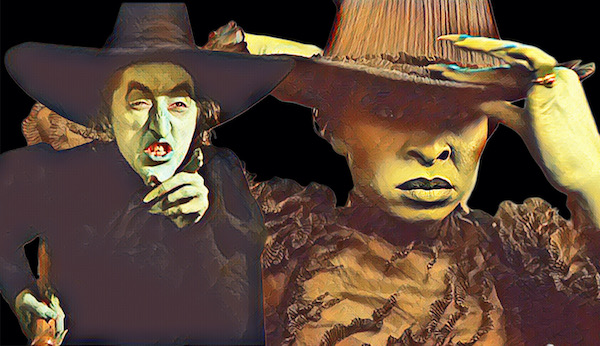
Critics argued that the script was even weaker than its source material, sacrificing some of the novel’s depth and complexity for a more straightforward, audience-pleasing narrative. They also found the show overly sentimental and criticized it for its length and pacing. Audiences clearly disagreed, and Wicked became a cultural phenomenon, still running on Broadway, with numerous international productions and a devoted fan base. The musical’s popularity and financial success cemented its place as one of the most influential and beloved shows in contemporary musical theater.

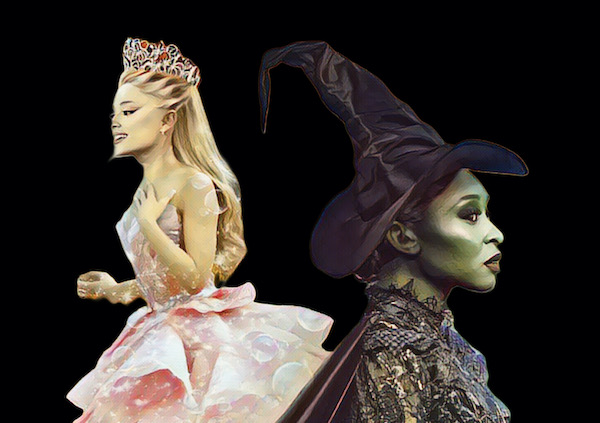
If you’re on the purist side, you might still enjoy the film. Both stories explore themes of good versus evil, power, and identity, but Wicked adds layers of complexity by questioning what it means to be “wicked” and how social perceptions can shape one’s destiny. It also addresses issues such as discrimination, political corruption, and the nature of free will.
Now we get to the bottom of how the Scarecrow, the Tin Man, and the Cowardly Lion came to be, offering alternative explanations for their circumstances. It also provides context for Elphaba’s actions and her eventual confrontation with Dorothy.
The point, of course, is that by reversing the roles, the clear dichotomy between good and evil proposed by L. Frank Baum, with Dorothy and her friends representing good and the Wicked Witch representing evil, loses its meaning. Wicked explores the nature of good and evil by suggesting that these concepts are not always black and white, and while The Wizard of Oz includes political allegories, the book itself is primarily a children’s fantasy adventure, while Maguire’s version is rich in political and social commentary, addressing issues such as discrimination, abuse of power and the complexity of moral choices.
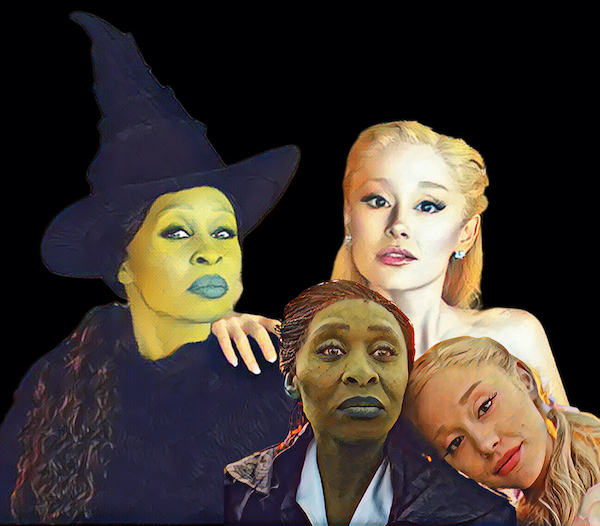
Although it is considered a phenomenon, it took more than 20 years for Wicked to hit theaters. Produced by the La La Land team, the film is directed by Jon M. Chu and will be divided into two parts, with the first chapter premiering in November 2024 and the second on November 26, 2025.
The cast is led by two major music and theater stars, Cynthia Erivo and Ariana Grande, but also features appearances by Michelle Yeoh, Jeff Goldblum, Jonathan Bailey, and Keala Settle, among others.
Descubra mais sobre
Assine para receber nossas notícias mais recentes por e-mail.
 miscelana.com
1 comentário Adicione o seu