
The story of the Menendez Brothers was so shocking, unexpected, and uncomfortable that it is difficult, even 35 years later, not to have a (negative) opinion about the case. Sexual abuse and incest were taboo, so when they were pointed out as the motive for the murder of José and Kitty Menendez, much of the planet thought that Erick and Lyle Menendez were lying. Those who believed them still consider the coldness and violence of the crime unjustified. To this day, references to what they did begin with infamous and horrible.
After being criticized for having – for some – seemed sympathetic to Jeffrey Dhamer and supposedly ignored the families of the victims in the process of developing the series, in Monsters: The Story of Erick and Lyle Menendez he is as aggressive with the two brothers as he is with the victims. And the murder scenes are extremely graphic, just a warning.
For those who were hoping that the series could “help” the brothers’ argument that they deserved a third trial, it doesn’t seem to me that the Netflix series is in favor. Quite the opposite. 8 episodes change perspectives in several aspects, but in the end, the conclusion is the same or even worse.

Ryan Murphy did not choose to study the family’s past before the tragedy. We begin with the crime, with the hysterical and excessive disarray of the killers who apparently were going to get away with the perfect crime, but who stumbled on arrogance and imbalance to expose themselves and be arrested. From there, we follow how the abuse and toxicity – in the version of both, corroborated by the testimonies of relatives – contributed to a violent and shocking conclusion to Menendez’s life.
Only in the final episodes do we begin to have a more sympathetic image of the victims, which is somewhat confusing because we end the series with more doubts than when we started. The fascination of the story of this crime, which has lasted for 35 years, is precisely not understanding what the truth was that led the brothers to choose to kill their parents so brutally. Did they really suffer the abuse? Which of the two is the dominant one? Who planned it all? Who carried it out? Why did they kill their parents?
Monsters: The Story of Erick and Lyle Menendez makes some decisions on almost every issue. It is much more direct about Erick’s homosexuality, the incest between the brothers, the emptiness in Menendez’s lives, the repression, and the physical and verbal aggression, but it takes a strange turn when it comes to sexual abuse.
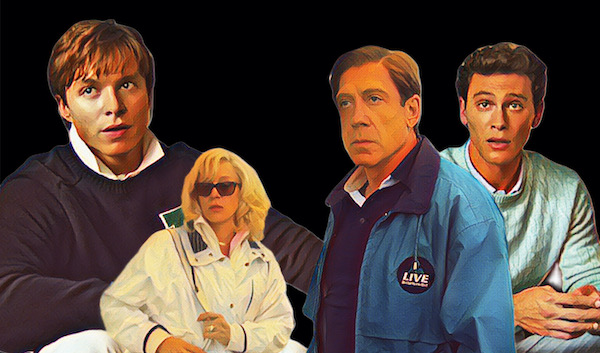
The defense attorney for the two, Leslie Abramson, well played by Ari Graynor, became emotionally attached to her clients, especially Erick. She was the one who surprised the world by using the trauma of the two’s sexual abuse as a defense argument, which saved them from the death sentence, but to this day she divides opinions. The fact is that she had already used the same strategy before, as the passage of journalist Dominick Dunne (Nathan Lane) highlights. The story of the two has an episode dedicated to them, which deserves separate comments.
The fact is that Monsters: The Story of Erick and Lyle Menendez takes a surprising stance at the end of the series by apparently sharing the suspicion of the narrative created by Leslie. Current facts confirm that José was a pedophile and a sexual predator, something that is in the scene but does not support the trauma as a motivation.

The final three episodes reverse all expectations of the path we were on at the beginning and are, as I said, more sympathetic to José and Kitty. They also reverse the leadership roles between Lyle and Erick.
In the end, the series invites us to doubt the brothers’ defense argument. In regards to them suffering sexual abuse not being true is addressed: it is clear that José really did what they described. However, it questions whether the trauma actually had any influence on the two’s decision. It even seems to me that it suggests that Erick and Lyle are two sociopaths, spoiled and inconsequential, spoiled and compulsive liars. And their fates behind bars were inevitable, caused equally by both of them. In an even more surprising suggestion, the last scene reverses the brother who encouraged everything, making us question whether Lyle was just the instrument of Erick’s revenge. It sounds much more incredible than it really is, unfortunately.
Descubra mais sobre
Assine para receber nossas notícias mais recentes por e-mail.
 miscelana.com
1 comentário Adicione o seu