
We live in curious times where hate and love alternate at lightning speed. Let’s look at the comeback of the Rings of Power series, which is leading a new online movement of defenders complaining about the haters. When it premiered, disappointment was almost unanimous, which is why the praise has been the subject of so much discussion.

There is no doubt that the groups are divided between the “Purists”, who are those who have read all the books, who massacre the production and its “creative freedom”, complaining about every scene and destroying the series as bad, and the “uninitiated”, who only know Peter Jackson‘s films. There are even those who have not read Tolkien and have not seen the films (which are over 20 years old), so in this war of opinions: who is right?
It’s not new that a book is never well adapted for the cinema. And it makes sense, after all, when reading what’s on the pages, even if described in detail by the author, each person’s imagination will have an image that will never be the same as someone else’s.
Yes, there is a common consensus, but when everyone has a voice to express their discontent, which is what happens today with social networks, no one is simply right or wrong. I put myself forward as an example because I hate Galadriel from Rings of Power and, even if I’m not alone in my criticism, I’m not the owner of the truth. Some like her that way.


I have friends who saw serious flaws in the adaptation (which I consider perfect) of The Lord of the Rings, because the films exclude the invasion of the Orcs and the Hobbits’ fight for the Shire, among several other ‘liberties’. I can’t say that it was missed, but paradoxically I don’t deny that it was important.
Another series that proves that popularity isn’t everything is House of the Dragon. Considered wonderful by fans, the change made to the Blood and Cheese passage, which in the book was much more violent and had a character eliminated from the story, even drove the author, George R. R. Martin, crazy. Today he praises the upcoming A Knight of the Seven Kingdoms, which has not yet been released, but we must remember that partly because he has not finished the work to this day, Game of Thrones has historically come to be remembered both for its audience success and for its lousy ending on the big screen.


But we can go back 85 years or more and we will see that whenever the book becomes an audiovisual, there are fans to complain about what is on the screen. East of Eden, which will be remade, excludes Cathy Ames’ story from the cinema because she was a sociopathic and sexualized woman.
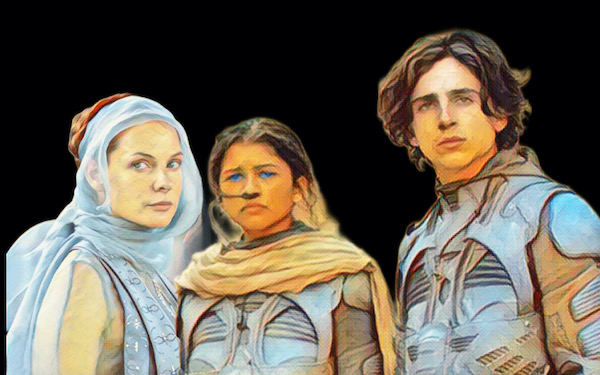
Gone with the Wind, in order not to make it clear that Scarlett O’Hara had sexual relations with her husbands, excluded two children who were also important to the plot, leaving the only girl she had, Bonnie, because she was from her marriage to Rhett Buttler. More recently, although successful and visually stunning, even Dune has its detractors.
If you go on, the list is long.

The difference today is in social media. Box office and audience ratings were not as influenced – almost pressured – as they are today, for better or for worse. The evaluation of the success of a work takes into account whether the negativity generates a significant mobilization causing the cancellation or rescue of the production. Yes, we have seen series with two seasons or even one, such as Becoming Elizabeth, go off the air due to lack of audience and some were massacred by critics.
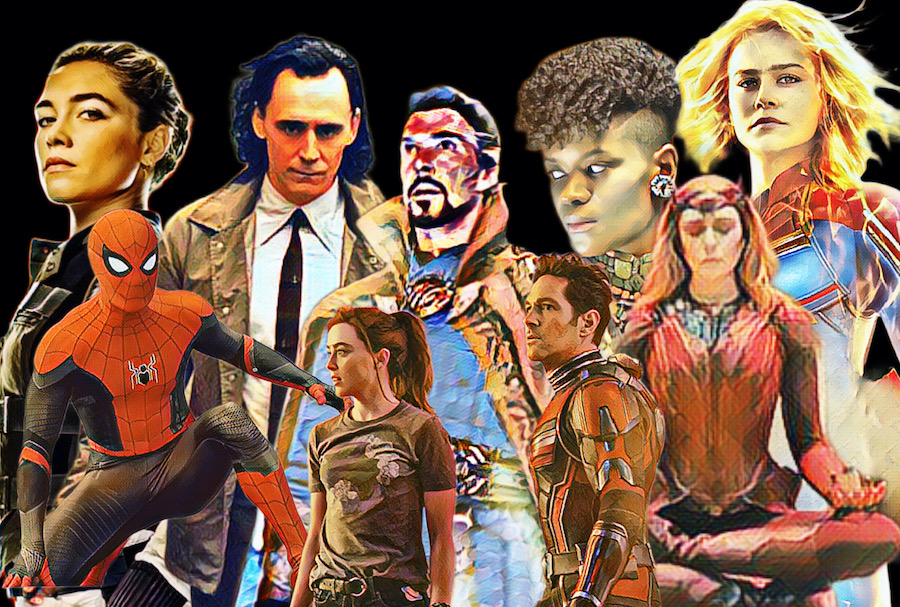
Yes, when we talk about ‘purists’ we also include comic book readers. The ‘nerds’ or ‘geeks’ who complain or praise every spin-off or remake of DC Comics, Star Wars, or Marvel. There are channels and channels on YouTube that survive on this material.
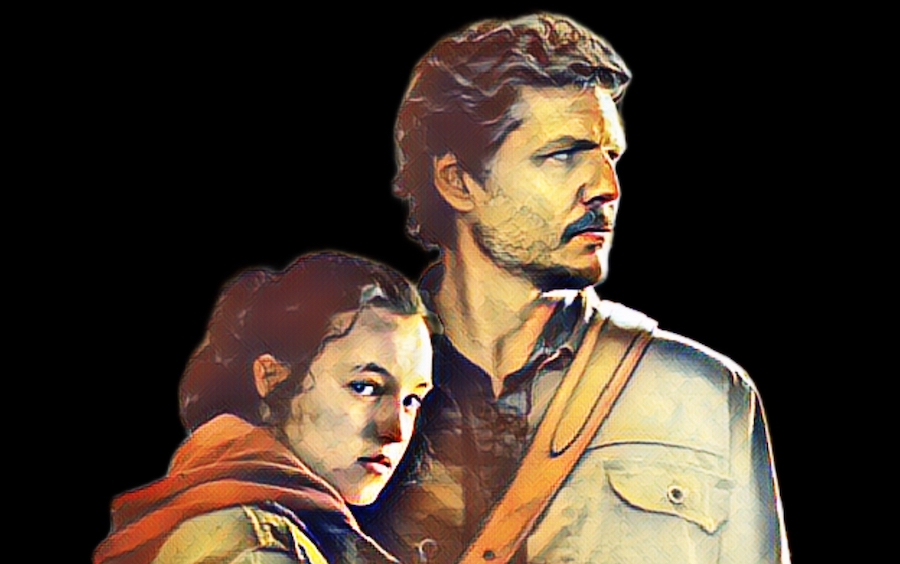
Games are also part of this scenario. The Last Of Us, has been so faithful to the game that it is almost cowardly safe. In this case, although the number of people who have the game is large, it will never be enough to match the success of books or magazines, so the series can be faithful because there are a larger number of people who have never heard of the story presented there.
That’s why it’s at least curious that the conclusion of the second season of Rings of Power, amidst enthusiastic praise for the clear improvement in narrative, is sparking a movement among purists and newcomers.

“The second season of Rings of Power was genuinely phenomenal. It’s exactly what I expected. I’m sad that the series isn’t getting the love it deserves. It’s beautiful. I don’t want to give spoilers, but I loved the last few episodes in particular,” says one on Threads.
“With Rings of Power, Lord of the Rings fans are becoming toxic like Star Wars fans. Come on, guys, we used to be the good fandom. If you don’t like it, that’s fine, but please chill about it,” asks another.
Among the ever-critical, arguments always revolve around six themes, usually combined with each other:
Faithfulness to the Original Text: Many readers are disappointed when adaptations do not faithfully follow the story or characters of the book. Significant changes to the plot or character personalities can be frustrating.
Omission of Details: Books often contain rich details and subplots that can be difficult to capture in a shorter adaptation. This can leave readers feeling like important elements of the story have been left out.
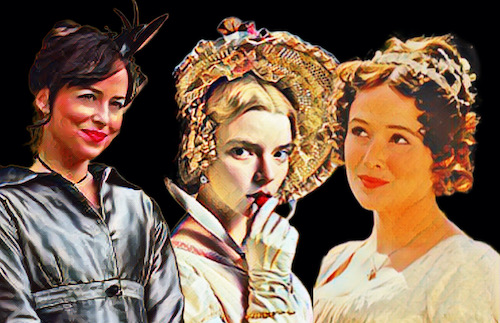
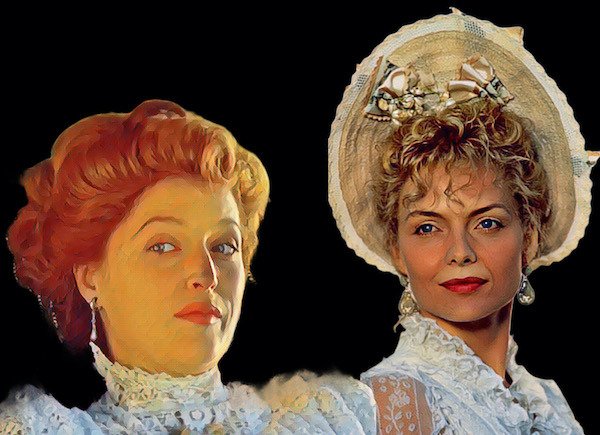
Character Portrayal: The way actors portray the characters may not match the image readers had in mind. This can be especially problematic if the characters’ appearance or behavior differs significantly from what is described in the book.
Plot Changes: Sometimes plots are altered to better fit the visual format or to appeal to a wider audience, which can result in changes that do not please fans of the book.
Different Focus: Adaptations can focus on different aspects of the story than books, emphasizing action scenes or romance, for example, over inner reflections or more subtle themes.
Pacing and Rhythm: The pace of a film or series can be very different from that of the book. What might be a slow, introspective narrative in a book can be transformed into a faster, less detailed version on screen.
It would be easy, given all this, to simplify it to purists fighting for the integrity of the work when works are adapted to another medium they generally allow stories to reach a wider audience, just for starters. Film and TV also offer a visual and auditory interpretation, bringing elements such as sets, costumes, music, and sound effects that can enrich the narrative. For example, the soundtrack can powerfully evoke emotions, while visuals can bring imaginary worlds to life in a vibrant way. For me, this is certainly the case.
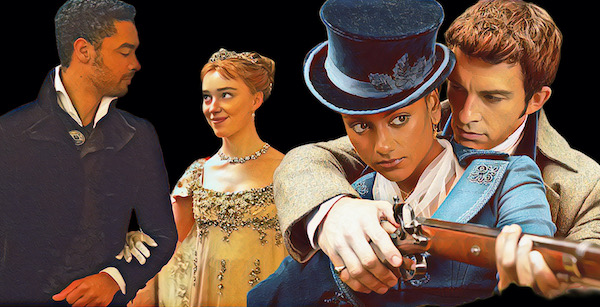
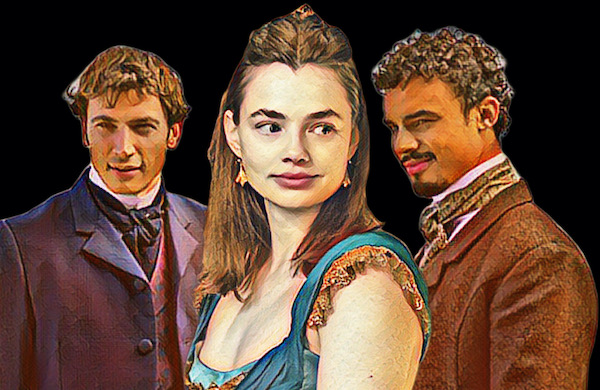
There is also the opportunity to update old stories to make them more relevant to contemporary audiences, adjusting cultural, social, and political contexts or exploring themes in new and meaningful ways. Here, of course, lies another pitfall. The multiracial cast of Bridgerton was well received, but anachronism does not always work, as The Buccaneers has shown.
Another mistake in trying to change what alters the work in its essence was the version of Persuasion that significantly changed the personality of the protagonist or even series like Vikings changing historical facts to help the narrative. The Serpent Queen put people who had never met in the same room and The Great changed a deadly hatred into a love story. How far is artistic freedom allowed?

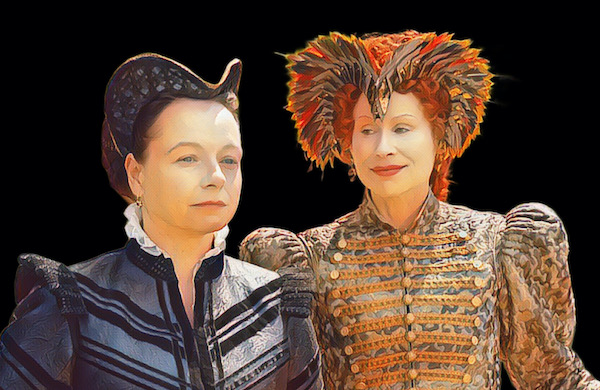
In times when, even more than revisiting classics, the most constant bet is on biography, dealing with anachronisms can be an interesting and creative challenge. Remember that, by their essence, anachronisms occur when elements of a period are placed in a different historical context, but that confuse the audience as to what is – in fact – real. Even though anachronisms have been used symbolically to highlight universal or timeless themes in the story.
In other words, in light of all this, the defense of Rings of Power fans gains another perspective and can start new movements. Democracy should always be embraced, and if you like the book better, you shouldn’t spoil the movie or series; there’s room for everyone. The issue, it seems, is more about imposing “truths” than having options or a voice. Algorithms have taken binary necessity to another level, and if the series is successful, purists almost see it as a defeat.
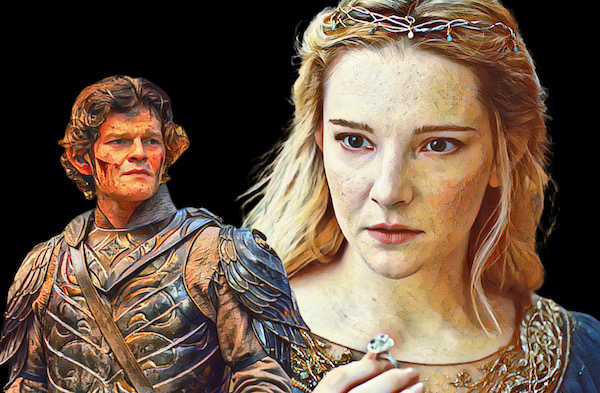
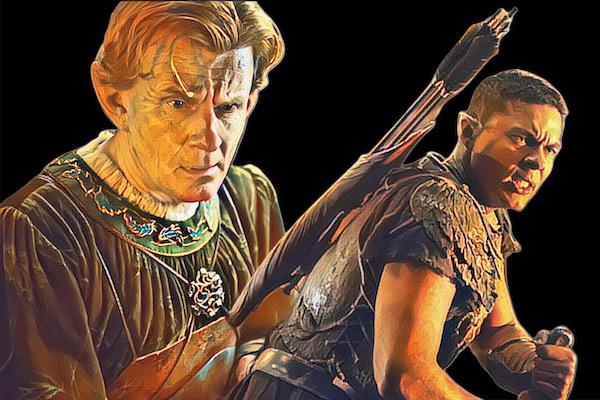
In the case of Tolkien or even Martin, I admit, I’m not a purist and I have no problem with that. Still, on the subject of the Amazon Prime Video series, I thought it was good, I follow it, and it has improved, even though it’s still far from being something that flirts with the hall of unforgettable. That doesn’t mean it deserves virtual hatred. If we’re inciting more knowledge and curiosity, that can never be a bad thing. Don’t you think?
Descubra mais sobre
Assine para receber nossas notícias mais recentes por e-mail.
 miscelana.com