
As published in CLAUDIA’s magazine and website
The artist, who was only 14 years old when she worked on the first version of the animation, talks about the changes in her career and reuniting with the character
As soon as it hit theaters in 2016, Moana made history and represented a turning point for Disney with a narrative that celebrates the culture of the Pacific Islands. The film was a global success, grossing more than US$640 million worldwide. In addition, Moana brought to light the talent of Any Gabrielly, the voice of the heroine in the Brazilian version, boosting the career of the artist, who was only 14 years old at the time and was part of the musical group Now United, representing Brazil and winning fans around the world.
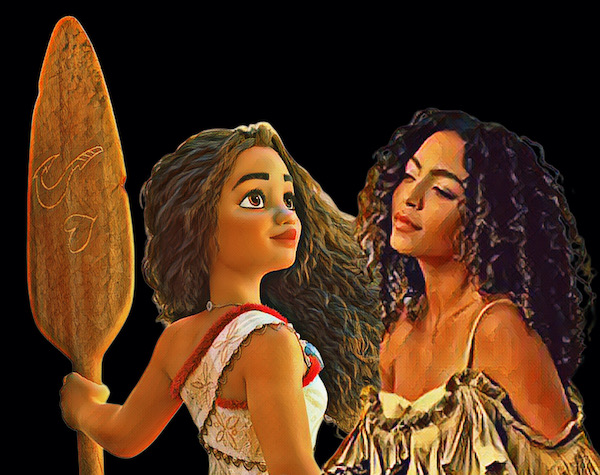
Today, Any lives in Los Angeles, but came to Brazil to take part in the dubbing of Moana 2, currently showing in theaters. In an exclusive chat with CLAUDIA, she talked about what it’s like to return to the life that took her so far.
So, what’s it like to meet Moana again?
I love being able to meet this character who changed my life in so many ways. And I love that she’s older and that the story is more mature, after all, I’m older and more mature too! [laughs]
What changed in Moana in the sequel? She returned to the island as a legend, right?
So everyone trusts her, tells stories about her, and draws Moana all over the island. She’s the navigator, but that carries a greater weight. We see a certain maturity in the decisions she makes, and in the way she acts with the people of the island. The challenges are much greater, these are things that made me think, “My God, I thought the first sailing was difficult!” But the main evolution is this: we’ll see a “grown-up Moana”.
Moana was her first dubbing. Is it easier now?
I say that dubbing is crazy, that you have to do several things at the same time. You get the script right there when you go into the studio and start the scene. We hope that the scene is finished because sometimes the animation isn’t ready yet – and it needs to fit perfectly.
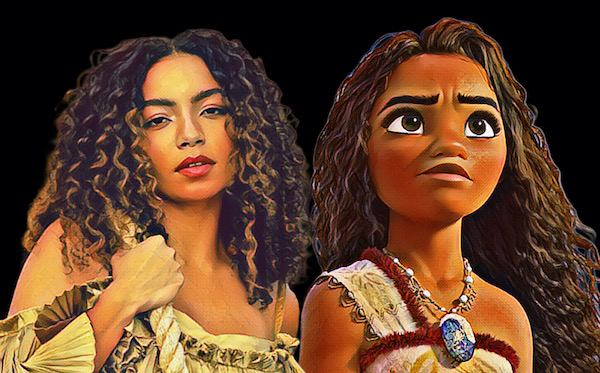
So is dubbing singing harder for you or easier?
It’s easier, because the music is always in the same meter, so the synchronization issue is much more natural than with speech. Besides, I have a greater proximity to singing, so I think I find it easier, even though the songs are super challenging.
And what can we expect from your career in the future?
A huge transition in my life! [laughs] I learned a lot about myself, as a person, and as an artist, but it’s been fun. I released another song, which is new territory for me, but I’m loving it.
Descubra mais sobre
Assine para receber nossas notícias mais recentes por e-mail.
 miscelana.com