
How do you solve a problem like Maria? The question could not be more pertinent when approaching Maria, Pablo Larraín‘s film about Maria Callas. Just like the iconic song from the musical The Sound of Music, which reflects Maria’s inability to adapt to the rules of the convent, the film seems to fail to find a satisfactory answer to the mysteries, complexities, and contradictions of the greatest soprano of the 20th century. The result is a film that tries to be poetic and bold but fails to build a cohesive and genuine portrait of its protagonist.
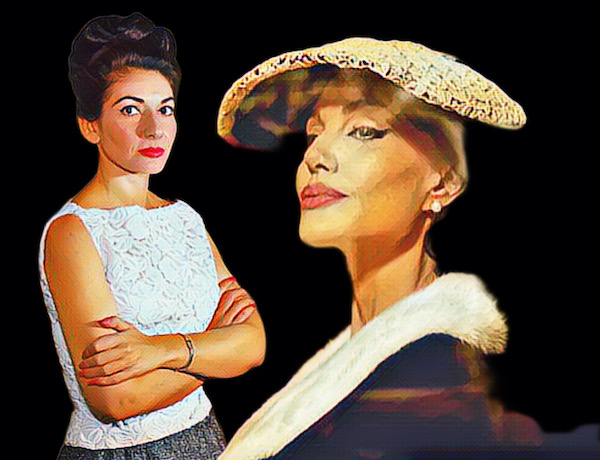
Callas was, without a doubt, one of the great icons of the last century, nicknamed “La Divina”. Her life mixed artistic genius and overwhelming personal drama. The daughter of Greek immigrants, raised between the United States and Greece, Maria Callas had to face economic hardship, an abusive mother, and a world dominated by men. All of this shaped the strong and enigmatic persona that conquered the world of opera and brought classical music to a pop level.
However, Maria Callas in Larraín’s film is, at the same time, excessively fictional and frustratingly superficial. The choice to focus on the last days of her life, following her isolation in Paris, promises to explore the vulnerability behind the diva but fails to deliver the depth that the story demands. The confusing, fragmented narrative, full of historical liberties, ends up damaging not only the film but also Angelina Jolie’s performance, who struggles to bring a poorly written character to life. Although the actress demonstrates commitment and imposes presence on the scene, her performance is sabotaged by a script that transforms Callas into a two-dimensional figure, without giving space to the character’s true emotional complexity.
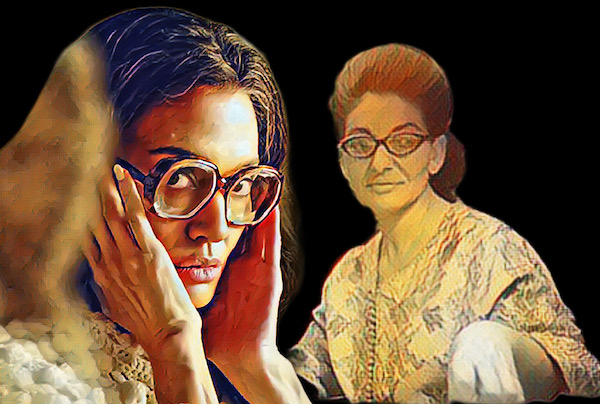
The script, written by Steven Knight, chooses to reinterpret Callas as a kind of feminist avant la lettre, something she never was. Not only did Callas live in a world that expected women to be submissive, she believed in the traditional female role. Her toxic and self-destructive relationship with Aristotle Onassis, which consumed much of her energy and emotional health, is romanticized in the film in a way that disrespects the complexity of this dynamic.
Another notable flaw is the lack of context for crucial moments in Callas’s life. The physical transformation that marked her career—from overweight to iconic thinness—is mentioned superficially, without exploring how it impacted her health, her voice, and her relationship with her public image. Even more serious is the lack of explanation for the addiction to prescription drugs that culminated in her early death.


The music, an essential element of any work about Maria Callas, also does not receive the due treatment. Although the film features iconic moments, such as Casta Diva and Vissi d’arte, they sound disjointed and, in some cases, cheesy. The choice to include the Habanera from Carmen, for example, is historically out of place since Callas never sang this role on stage and there were other arias more associated with her story than Bizet’s.
Pablo Larraín had created expectations by bringing his tried-and-true formula from Jackie and Spencer to Maria. But while the portrayals of Jacqueline Kennedy and Diana Spencer knew how to explore specific moments that defined their protagonists, Maria fails to capture the multifaceted essence of Callas. The film stumbles in trying to transform such a complex woman into a figure that fits into a contemporary narrative that has little to do with who she really was.

In the end, Maria raises the question: how do you solve a problem like Maria Callas? Perhaps the secret lies in accepting her as an enigma, a contradictory force, and, above all, unique — something the film unfortunately fails to do.
Descubra mais sobre
Assine para receber nossas notícias mais recentes por e-mail.
 miscelana.com