
Few television shows make it half a century, and even fewer manage to stay relevant for so long. So when you reach the impressive milestone of 50 years on the air, you need a big party. And a movie. And a documentary.
Saturday Night Live (SNL), created by Lorne Michaels and first broadcast on October 11, 1975, has not only stood the test of time but has become a true pillar of American pop culture. Over five decades, the show has cemented its brand with sharp satire, iconic characters, and memorable musical performances, launching the careers of some of the biggest names in comedy and entertainment worldwide.
So, unsurprisingly, Hollywood’s biggest party of the year is no longer the controversial Oscars, but the celebration of SNL: the place to see and be seen.
It all started with a gamble
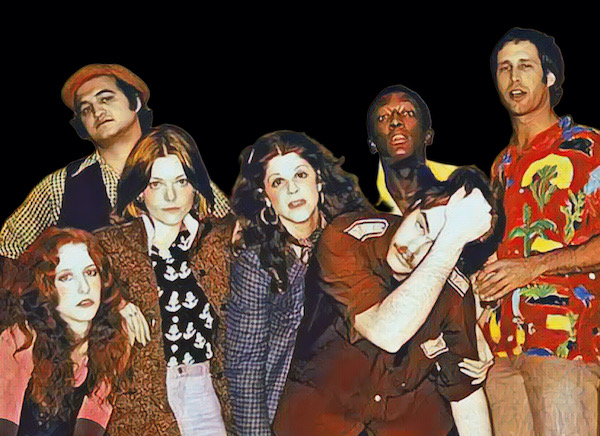
Saturday Night Live (SNL) was born out of NBC’s need to fill its Saturday night schedule after Johnny Carson left that time slot. The idea was to create an innovative program that mixed humor, political satire, sketch comedy, and live musical performances.
The person responsible for this revolution in television comedy was Lorne Michaels, a Canadian producer and screenwriter who created the format and assembled the original SNL team, bringing together talents such as John Belushi, Chevy Chase, Gilda Radner, and Dan Aykroyd. Since its debut on October 11, 1975, SNL has become a veritable factory of comedy stars.
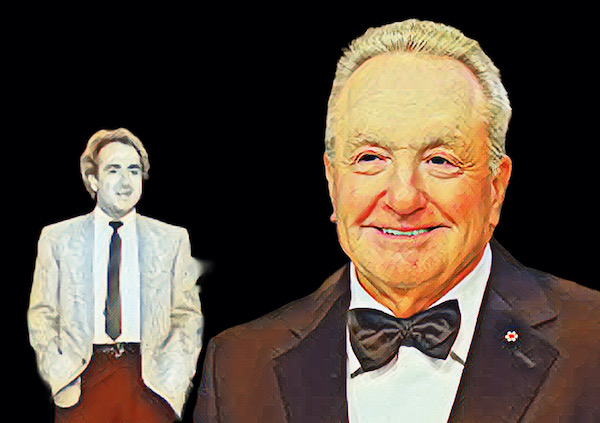
Lorne Michaels is considered the architect of this television phenomenon, being responsible for the program’s acidic and innovative tone. He served as executive producer for most of the seasons and remains in charge to this day, being a central figure in the entertainment industry and in the formation of generations of comedians.
The Star Factory
Since its debut, SNL has produced talents that have become references in film and TV and almost a mandatory rite of passage for comedians or stars who want to prove their versatility. In the early years, Eddie Murphy, Bill Murray, and Dan Aykroyd brought vitality to the show’s humor, paving the way for future generations.
In the 1990s, Tina Fey, Will Ferrell, and Adam Sandler brought new approaches, while the 2000s consolidated names such as Kristen Wiig, Andy Samberg, and Bill Hader. More recently, Kate McKinnon, Pete Davidson, and Bowen Yang are examples of the show’s continued freshness.
It wouldn’t be an exaggeration to think of another 50 years like this.
The Most Memorable Moments
In its 50 years, SNL has produced unforgettable moments, such as Nirvana’s performance in 1992, the emotional tribute to 9/11 with Rudy Giuliani and New York firefighters, and Betty White’s surprise appearance at age 88. The show has also been the scene of controversy, such as Sinead O’Connor’s unforgettable performance tearing up a photo of Pope John Paul II in protest against abuse in the Church.
The Lorne Michaels Method
Michaels has a management style that combines rigor and unpredictability. SNL is a show that demands speed and improvisation since it is written, rehearsed, and presented live in just one week. The process begins on Monday with the writers’ meeting, goes through the sketch selection on Wednesday, and culminates in the live show on Saturday night. The famous phrase “The show doesn’t air because it’s ready, it airs because it’s 11:30 p.m.” defines the essence of SNL.
Over the years, Michaels has become known for his ability to discover and launch talent. His clinical eye for comedy and his demand for excellence make SNL a true training ground for future TV and film stars.
The Formula for Success
One of the reasons SNL remains relevant after almost 50 years is its ability to reinvent itself. Michaels has always known how to balance political satire, physical humor, and iconic characters, keeping the show current without losing its essence. He has also adapted SNL for different generations, bringing in younger writers and exploring new platforms such as YouTube and TikTok.
Another key factor in the show’s success is its connection to the political scene. From the days of Chevy Chase imitating Gerald Ford, Will Ferrell standing out as George W. Bush to Alec Baldwin playing Donald Trump, SNL has become a barometer of political humor in the United States. Lorne Michaels knows that the show works best when it reflects the spirit of the moment, and that’s why he always keeps it sharp.
Legacy and Future
Lorne Michaels has received numerous awards, including more than 20 Emmys, and in 2021 he was honored with the Presidential Medal of Freedom. His legacy extends far beyond SNL, as he has also been behind shows such as 30 Rock and The Tonight Show Starring Jimmy Fallon.
At 80 years old, Michaels has already indicated that he may retire after SNL’s 50th anniversary in 2025. However, his influence will remain, and the show he created will continue to shape the American comedy landscape for years to come.

Relevance Today and the Future
Even with the fragmentation of its audience and the rise of streaming, SNL continues to generate memes, conversations, and talent. The challenge for the years to come will be to maintain its connection with new generations while preserving the essence that made it legendary. The celebration of its 50th anniversary has been a great reunion of former cast members, special appearances, and, of course, lots of laughs.
What began as a bold experiment has become an institution. And if there’s one thing Saturday Night Live has taught us, it’s that as long as there are politics, pop culture, and comedians willing to push the boundaries of humor, it will remain relevant.
Descubra mais sobre
Assine para receber nossas notícias mais recentes por e-mail.
 miscelana.com
1 comentário Adicione o seu