
If everything goes well, and it looks like it will, Fernanda Torres will not only be the first Brazilian to win an Oscar but also the first Latin American actress to do so. In almost 100 years of awards, we don’t even need to think twice to see that the Academy’s history is far, far from inclusive. But today, I wanted to remember another very complex reality of the festival: the lack of female and black representation in the most important awards. Yes, we need to talk about this often.
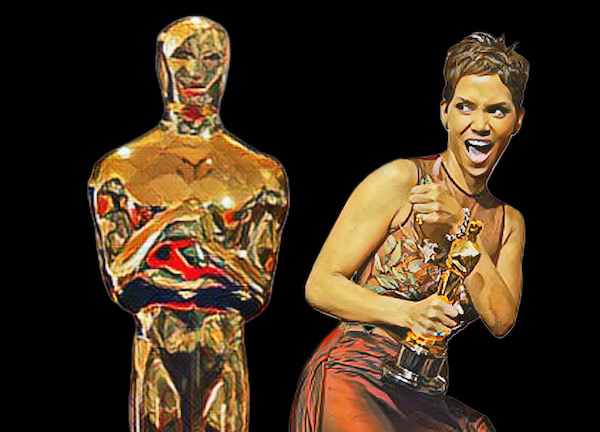
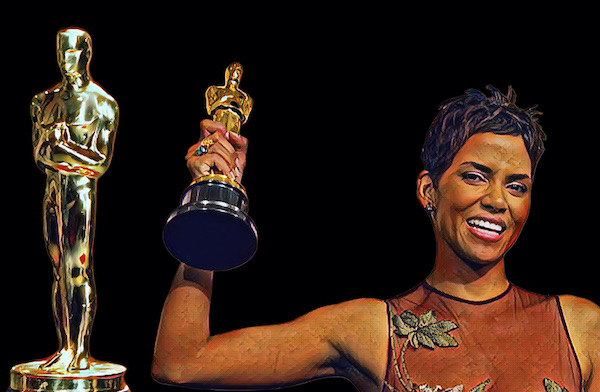
The Oscars have a problematic history: to date, only one black woman has won in the main category, and that was more than two decades ago. Halle Berry was recognized for her performance in Monster’s Ball in 2002, an isolated victory and an uncomfortable reminder of the structural barriers that black actresses still face in Hollywood.
When Hattie McDaniel won the Oscar for Best Supporting Actress in 1940 for Gone with the Wind, she couldn’t even sit with her co-stars at the ceremony due to segregation laws at the time. Her victory was historic, but it was also limiting: after her, Hollywood confined black actresses to stereotypical roles as maids or subordinate figures. And Oscar nominations were infrequent. So much so that after McDaniel, it took nine years for Ethel Waters to be nominated (also for supporting actress) and 15 for Dorothy Dandridge to be the first nominee in the leading category.
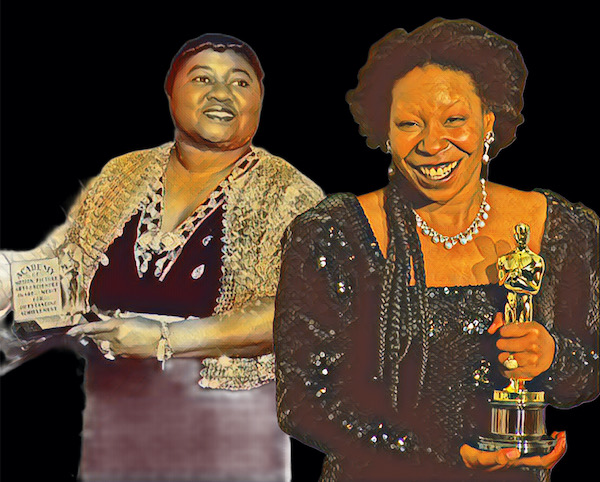
The nominations, alternating and with no clear chance of winning, kept piling up and, in fact – between 1939 and 1992 – it was no less than 53 years until another black actress won an Oscar, again in the supporting category: Whoopi Goldberg, for Ghost. The gap alone was absurd, but the pattern remained clear – leading roles remained unattainable for black women. Between Whoopi and Jennifer Hudson’s win for Dreamgirls? Another 15 years.
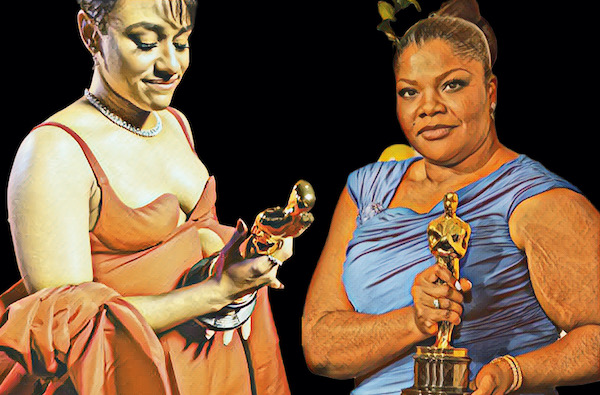
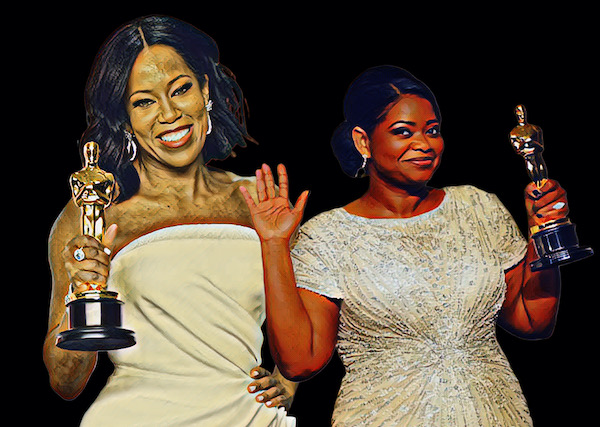
The math is necessary, trust me. From 2006 onwards, black actresses began to “dominate” the supporting category: Mo’Nique won for Precious, the following year Octavia Spencer won for The Help, Lupita Nyong’o for 12 Years a Slave, and Viola Davis for Fences. In Viola’s case, it must be acknowledged that she was the lead, but she was nominated for supporting. Three other actresses have won in the category to date: Regina King (If Beale Street Could Talk), Ariane DeBose (West Side Story), and Da’Vine Joy Randolph (The Holdovers). Yes, Zoe Saldaña will be joined on the list by Emilia Perez.
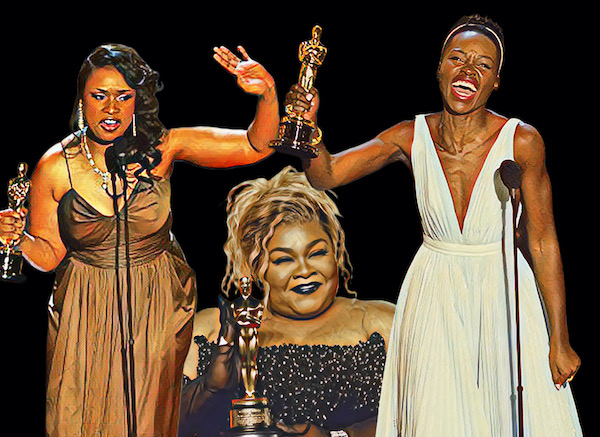
Looking at it this way, it might seem like there is more balance, but there isn’t. In almost 100 years, only 14 actresses have been nominated for Best Actress (Cynthia Erivo twice), and so when Halle Berry accepted her Oscar, she said, “This moment is so much bigger than me,” and it was expected to be a turning point, but it never happened.
The issue, however, goes beyond the lack of trophies. The reduced number of nominations already highlights a previous problem: the scarcity of prominent roles for black actresses. While white actresses have opportunities to play complex characters in prestigious dramas, black actresses are often limited to roles that reinforce stereotypes or that fit into the themes of pain and racial overcoming, as if their stories were only valid within that scope.

Another factor that aggravates this inequality is the composition of the Academy. Although there have been efforts in recent years to diversify its members, the institution is still predominantly white and male, which directly impacts the choices of nominees and winners. Without deeper structural changes, the Oscars will continue to be a reflection of an industry that privileges certain narratives and certain profiles of artists.
The history of cinema is full of brilliant performances by black women that were completely ignored by the Oscars. Angela Bassett did not win for Tina. Alfre Woodard was not nominated for Clemency. Lupita Nyong’o, despite being acclaimed and winning in 12 Years a Slave, was ignored for her work in Us. Recently, the controversy surrounding the non-nomination of Danielle Deadwyler and Viola Davis in 2023 reignited the discussion about how the industry still resists recognizing these performances, as well as having only Cynthia Erivo among the finalists in 2025.
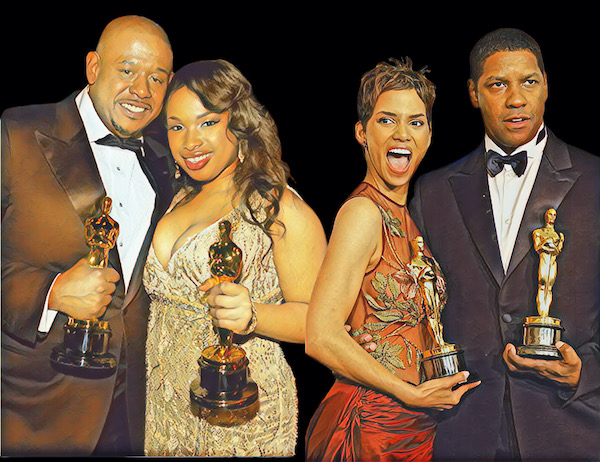
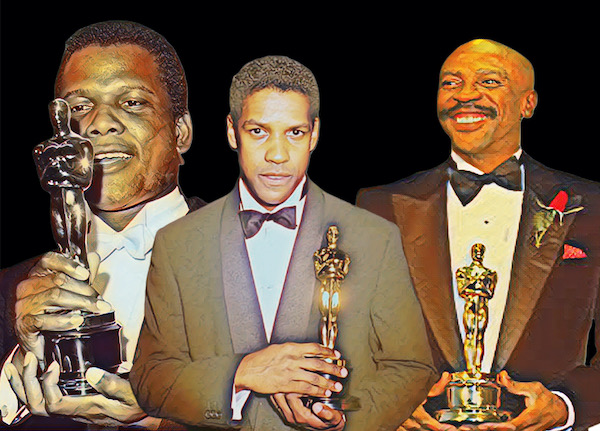
Not to forget, it is worth mentioning that among black actors, even far from ideal, there are significantly more nominations and wins. There is a catch. Women are nominated more often in supporting roles (28 actresses through 2025) with 10 wins, while 20 black actors have been nominated, and 7 have won, including Louis Gossett Jr., Morgan Freeman, Denzel Washington, Cuba Gooding Jr., Daniel Kaluuya and Mahershala Ali, who has won twice in the category.
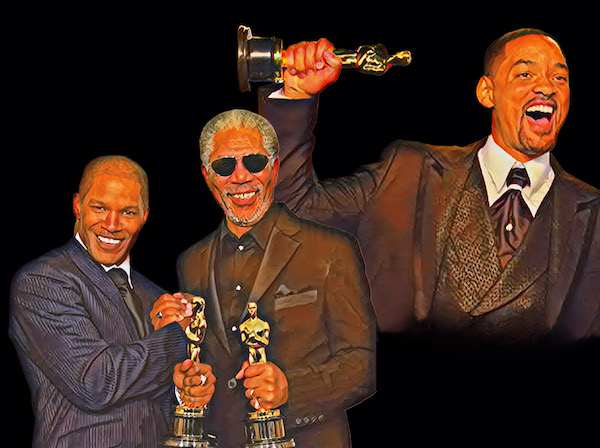
But among the Best Actors, since Sidney Poitier made history in 1958 with the first Oscar nomination for a black actor, followed by his win in 1964, four other male actors have won Best Actor: Denzel Washington, Jamie Foxx, Forest Whitaker, and Will Smith. It’s not much, but it’s more than just one actress, right? In total, 16 black actors have been nominated over the years (and only 13 actresses). There’s a lot to consider here.
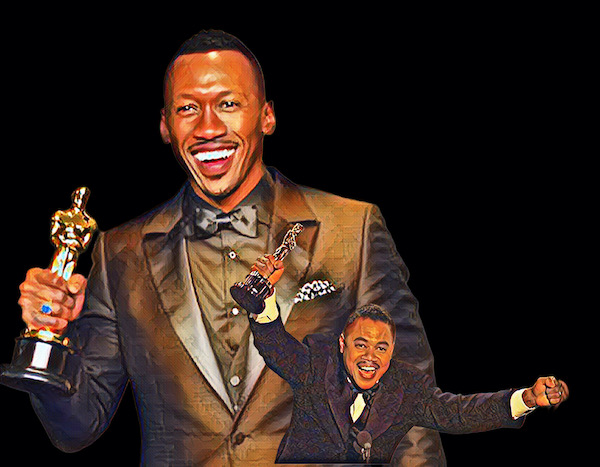
For this reality to change, it’s not enough to just diversify the Academy; Hollywood needs to rethink its practices, expanding the types of stories told and ensuring that black actresses have space not only to be nominated but also to win. Until this change happens, the question remains: how many more years until another black woman takes the stage to receive the Oscar for Best Actress? It would be Cynthia Erivo‘s chance, but on March 2nd, I want another story. And this, sorry, is Fernanda Torres’s victory.

Descubra mais sobre
Assine para receber nossas notícias mais recentes por e-mail.
 miscelana.com