
A few years before Disney’s first animated feature turns 90 (in 2027), the classic Snow White and the Seven Dwarfs returns to the screens for the first time in live action. And more than a dream, the studio certainly already considers it a nightmare, even bigger than the bad experience of The Little Mermaid.


Part of the problem surrounding Disney’s recent adaptations of classic fairy tales and animated films, leading some to label them as “problematic”, involves portraying today’s society in a perpetual conflict of generations radicalized by social networks. They range from cultural representation and sensitivity to nostalgia.
Disney has been criticized for cultural appropriation or distortion for a long time, but now, commercial interference makes everything more delicate. For example, both The Little Mermaid, originally inspired by the Danish fairy tale by Hans Christian Andersen, and Snow White, itself based on a German fairy tale by the Brothers Grimm, may not fully capture or respect the cultural nuances of the stories, especially when reinterpreted for modern audiences.
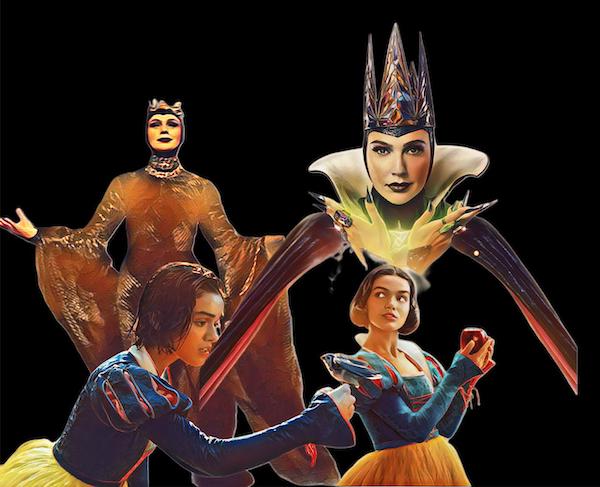
The heroines of the classic cartoons were princesses or young women in distress, ‘rescued’ by the prince they married and ‘lived happily ever after. ’ They all had great domestic skills, sweetness, and keen maternal instincts. This is quite different from the values of a generation driven by a new wave of feminism and equality. As a result, the representations of female protagonists have been hotly debated, with critics arguing that these characters, particularly in their original forms, often embody outdated gender roles or problematic narratives about love and rescue.
In The Little Mermaid, Ariel sacrifices her voice and independence for romantic love, while Snow White is often portrayed as passive, dependent on others for rescue. Modern audiences are challenging these depictions, demanding stronger, more empowered female characters that challenge traditional damsel-in-distress tropes. Attempts to modernize these stories have led Disney to make considerable changes to the characters’ backstories, motives, and plots, and they don’t always hit the mark and are accused of inconsistency and deviation from beloved narratives.
Another example is the portrayals of antagonists, often emphasized in Disney films, which in adaptations like Maleficent have been given a new context and the complexities of villainy explored, but critics argue that such depictions can dilute the effectiveness of traditional stories, making them less about clear distinctions between good and evil.


In the specific case of Snow White, there is another “problem”: the casting. Actress Rachel Zegler has an undeniably powerful and beautiful voice, but she is of Colombian and Polish descent, with a very Latin skin color that is different from what would be fitting for a “snow-white” princess. Furthermore, her vocal political and feminist stances on the classics only contributed to a frightening and loud rejection. Not even Gal Gadot‘s beauty as the Evil Queen could quell her complaints about the role. Clear racism and a headache. The film has been in production for over three years, and no one expects it to be a big hit.
And let’s face it, the attempt to film Snow White has been almost an obsession in Hollywood in recent decades. Kristen Stewart played the princess in the film Snow White and the Huntsman, which was a darker, action-oriented retelling of the classic tale, with Charlize Theron as the Evil Queen, emphasizing themes of empowerment and adventure. There’s also the comedic adaptation Mirror, Mirror, which featured Julia Roberts as the Evil Queen and Lily Collins as Snow White, in a more playful version of the story. Both were not exactly critical successes. So, why anticipate the worst from Disney?
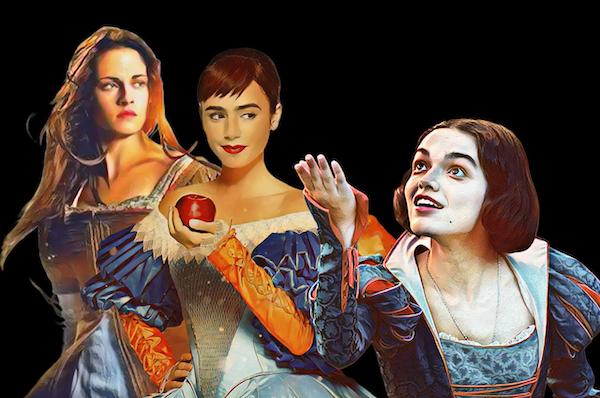

The return of Snow White and the Seven Dwarfs to the big screen in live-action format walks a fine line between the desire to innovate and the risk of distorting a classic that has been a Disney icon for decades. The attempt to adapt stories that are over 80 years old for today’s audiences, who demand more diversity, complexity, and empowerment, conflicts with the essence of the original narratives.
However, the biggest dilemma seems to be the mismatch between modernizing the messages and the desire to maintain the magic that made these tales immortal. Disney tries to balance innovation and tradition, but its choices are often seen as rushed or forced, and there is no guarantee that audiences will accept these new versions. The future of films like this seems uncertain, and it is difficult to predict whether nostalgia and contemporary criticism can coexist satisfactorily. The question remains: Will Disney, with its large investments, be able to satisfy a generation in search of something new without losing the essence that made Snow White a landmark in cinema?
By the way, the film’s review will be out next week.


Descubra mais sobre
Assine para receber nossas notícias mais recentes por e-mail.
 miscelana.com