
Part of the controversy surrounding the casting of Rachel Zegler in the title role of Snow White is a racist issue regarding the tone of her skin color. The actress claims that the film will contextualize the famous issue of being a princess “white as snow” as if the name was due to her resilience as a baby and having survived a blizzard. Yes, I know you must have taken a deep breath, but stay with me and let’s travel to understand the true story that inspired the Brothers Grimm tale and, in addition, Disney.

The story of Snow White has its origins in European folklore tradition and was popularized by Jakob and Wilhelm Grimm in 1812, in the collection German Fairy Tales (Grimm’s Fairy Tales). This version, titled “Sneewittchen,” tells of a beautiful princess whose jealous stepmother, the Queen, orders her death out of envy for her beauty, symbolizing the darker elements of human nature.
But the Grimms’ version was not the first to tell the story of a young woman with an evil stepmother and a magic mirror. Their version is an adaptation of an older, much darker tale whose roots can be traced back to the legends and folktales of medieval Europe. The story of Snow White and the wicked stepmother dates back to Germanic myths, where the archetype of rivalry between the young girl and the older woman, or the evil “mother,” appears frequently.
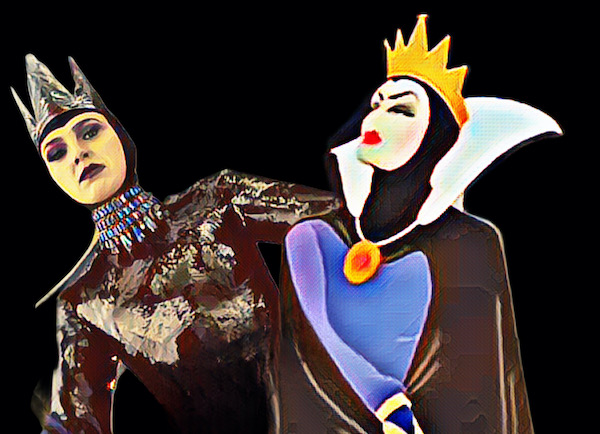

Modern research suggests that the story could have been influenced by real historical events. For example, one popular theory is that the story could be linked to the life of Margarete von Waldeck, a young noblewoman in 16th-century Germany. Margarete is said to have been a historical figure who died under mysterious circumstances, with speculation that she was poisoned by her stepmother or a powerful figure connected to the local court.
While this theory is interesting, it is important to note that there is no definitive evidence to prove that Margarete was the real Snow White. What seems clear is that the story, like many fables, has undergone several modifications over the centuries, being shaped by different cultures and historical contexts.


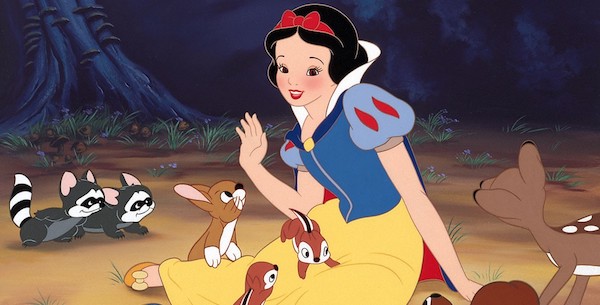
The fact is that the story of Snow White is a tale marked by themes of innocence, jealousy, and resilience, which has captivated audiences for centuries and has had variations in other cultures, always with tales of a princess threatened by an evil stepmother or witch. One of the earliest recorded versions of a tale similar to Snow White comes from the ancient Roman philosopher Pliny the Elder, who referred to a story in “Natural History” about a girl who falls into a deep sleep caused by a poisoned comb. This reference highlights the pervasive nature of such narratives across time and geography, showing that the tale of a beautiful girl surrounded by danger is a recurring motif in human storytelling.
One reason the Brothers Grimm’s interpretation of the tale is so successful is that it reflects the unsettling realities of their time. They drew on oral traditions that often contained dark moral lessons, featuring Snow White awakening from her enchanted sleep when a prince finds her and the jealous queen meeting a grim fate, often punished for her vanity and malice. This aspect of the tale emphasizes moral themes prevalent in folklore: good ultimately triumphs over evil, and vanity leads to downfall.
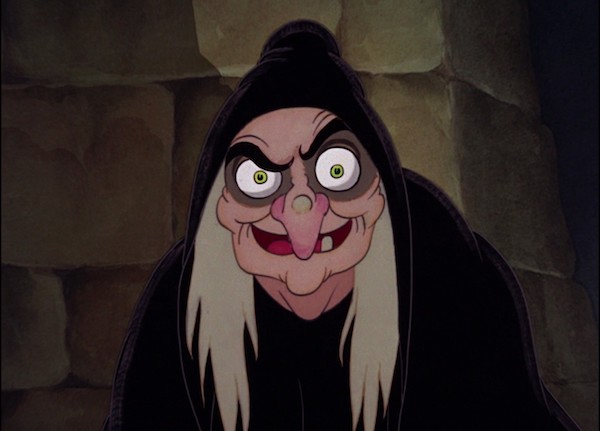


In addition, the Grimms added the iconic elements of the seven dwarfs, who protect Snow White, and the infamous magic mirror, which serves as a symbol of self-obsession and the destructive nature of envy. These characters have become cultural icons in their own right, embodying the themes of loyalty and friendship in the face of adversity.
The story of Snow White has undergone numerous adaptations beyond the Grimm version, with each iteration reflecting the values and tastes of its time. The most famous adaptation is Walt Disney’s animated film Snow White and the Seven Dwarfs, released in 1937. This film was groundbreaking as it was the first full-length animated film and set the standard for animated storytelling. Disney’s adaptation toned down the darker elements of the original tale, focusing instead on themes of love, friendship, and happiness.
In Disney’s 1937 version, the character Snow White is portrayed as innocent and kind-hearted, embodying the ideal of feminine beauty and virtue. The dwarfs are given distinct personalities, providing comic relief and adding warmth to the narrative. The Evil Queen, while still retaining her malicious intent, is portrayed with less emphasis on brutality, instead showing her obsession with beauty. This adaptation popularized the story globally and led to a drastic change in the representation of fairy tales in the media, leaning toward more optimistic versions and family.
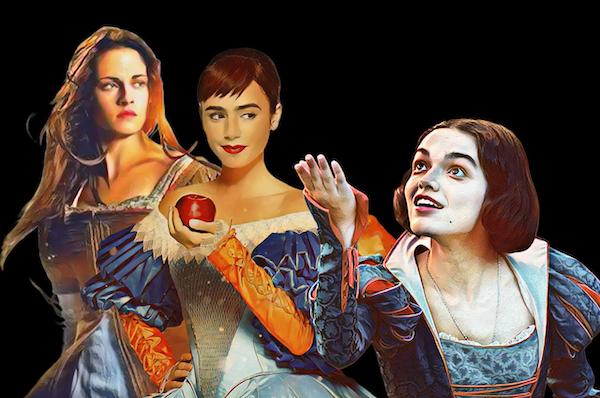

More recent adaptations have offered innovative retellings, such as Snow White and the Huntsman and Mirror, Mirror, which revisit the tale’s themes with a modern twist. These versions explore deeper character motivations and offer more complex interpretations of the traditional story. The evolution of Snow White in contemporary cinema reflects changing social attitudes toward gender roles and the portrayal of female characters, moving away from passive damsels in distress to strong, active heroines.
The story of Snow White showcases the adaptability of folklore and its ability to resonate with audiences across generations. From its origins in European fairy tales to the various adaptations that have emerged over the years, Snow White remains a powerful narrative that explores themes of beauty, jealousy, and the struggle between good and evil. Each version has contributed uniquely to the story’s legacy, revealing societal values, cultural norms, and the enduring fascination with tales of enchantment. As the narrative continues to evolve, the essence of Snow White endures, reminding us of the timeless struggles that define the human experience.
Descubra mais sobre
Assine para receber nossas notícias mais recentes por e-mail.
 miscelana.com