
The series Maria e o Cangaço, on Disney Plus this Friday, made me rethink a woman who is a legend in Brazilian culture: Maria Bonita. Today, the term ‘beautiful’ may not be unanimous, but a woman as strong as her being legendary in the middle of the Northeastern backlands is quite something. We can say that Maria Bonita is one of the most emblematic names in Brazilian history.
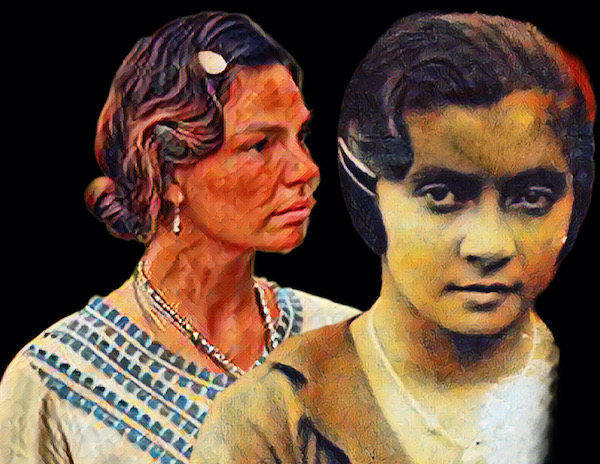
Known as the “Queen of Cangaço,” Cangaço meaning the Backlands as known in Brazil, she broke with the social norms of the 1930s to become one of the central figures in Lampião’s gang, or Virgulino Ferreira da Silva’s, the most famous leader of the banditry and resistance movement that operated in the northeastern backlands between the end of the 19th century and the middle of the 20th century. Lampião and Maria Bonita led a band of bandits that defied the police forces and the region’s colonels, using guerrilla tactics to loot farms, confront government troops, and seek refuge in the caatinga. Depending on how you look at it, they were popular heroes who fought against social injustice or were feared criminals.
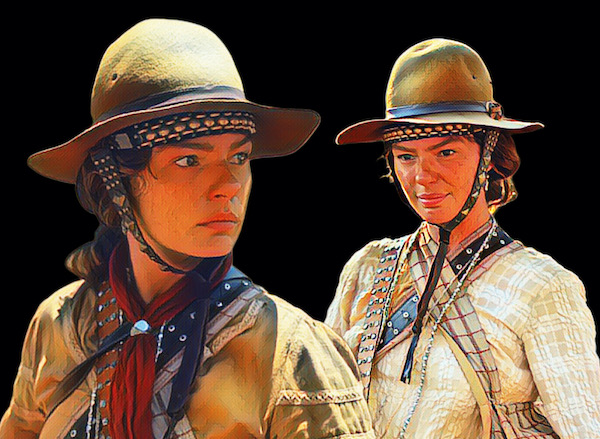
Maria’s story, independently of Lampião’s, is fascinating, and her presence in the bandits transformed the dynamics of the armed groups that challenged the established power, giving women a new role in the fight against the adversities of the backlands. Starring Ísis Valverde, the series was directed by Sérgio Machado, Thalita Rubio, and Adrian Teijido (who is also the director of photography for I’m Still Here), and was based on the book Maria Bonita: Sexo, Violência e Mulheres no Cangaço, by Adriana Negreiros, which retells her story focusing on her journey as a woman and mother.
Origins and Social Context
Maria Gomes de Oliveira was born on March 8, 1911, in the village of Malhada da Caiçara, in Glória, Bahia. The daughter of small farmers, she grew up in an environment marked by poverty, drought, and violence in the northeastern backlands. Like many women of her time, she had an arranged marriage when she was still a teenager with José Miguel da Silva, a shoemaker. However, the unhappy marriage and the desire to live a different life led her to seek a destiny outside the conventions.
Meeting Lampião and Joining the Cangaço
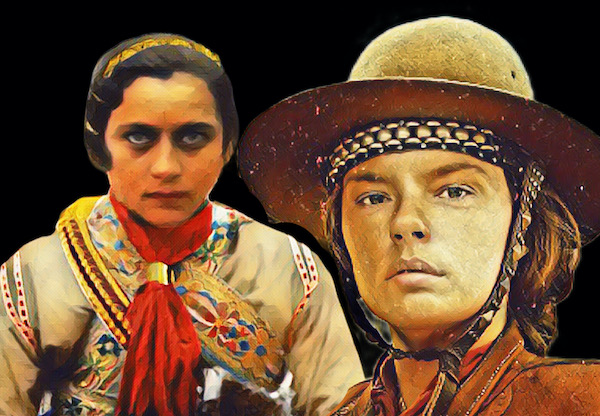
In 1929 or 1930, Maria Bonita met Virgulino Ferreira da Silva, the infamous Lampião, leader of the most feared group of cangaceiros of the time. Charmed by his charismatic figure and his adventurous lifestyle, Maria decided to abandon her marriage and join the gang. This decision was revolutionary, since until then the cangaço had been predominantly male.
Maria Bonita’s entry into the cangaço was not just a symbolic fact; she opened space for other women to also join the gangs. As a result, the daily lives of the cangaceiros underwent changes: there was an attempt to become more organized, stricter rules were established to prevent abuse against women, and the presence of women brought a new dynamic to coexistence within the gangs.
Life in the Cangaço
Maria Bonita’s life alongside Lampião was intense and full of challenges. She faced hunger, thirst, persecution by the volantes (police forces that fought the bandits), and constant armed confrontations. At the same time, reports indicate that Maria was a woman with a strong personality, known for her joy and determination. She liked to sing and dance, and made a point of dressing well, using sophisticated fabrics and jewelry acquired by the gang.
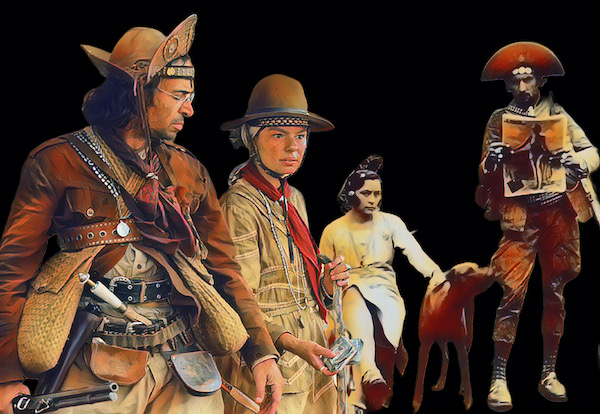
Maria also played a fundamental role in caring for the wounded, helping Lampião and the other bandits treat injuries and illnesses. She and Lampião had a daughter, Expedita Ferreira Nunes, born amid the adversities of the backlands. However, to protect her, the couple decided to hand the child over to trusted friends, ensuring that she would grow up far from the dangers of banditry.
Death in the Angico Cave
Maria Bonita’s fate was sealed in the early hours of July 28, 1938, when Lampião’s gang was surprised by an ambush in the Angico Cave, in Sergipe. The volantes, who had been hunting the group for years, obtained crucial information about their location and attacked with great force.
During the attack, Lampião and Maria Bonita were shot. Witnesses report that Maria was captured while still alive, but brutally executed. Their heads, as well as those of other cangaceiros killed in the ambush, were severed and taken to public display, serving as a warning against those who dared to follow the path of cangaço.
The heads were on display for decades at the Nina Rodrigues Museum in Salvador, until they were finally buried in 1969. The violence with which the bodies of the cangaceiros were treated highlights the brutal way in which the State dealt with this crime resistance movement from the backlands.
Legacy and Cultural Impact
Despite her tragic death, Maria Bonita became an icon of Brazilian popular culture. Her story is told in books, films, soap operas, and songs, perpetuating her name as a symbol of courage and rebellion. Her presence in the cangaceiros opened space for a broader discussion about the role of women in resistance movements, challenging traditional concepts of femininity in backlands society.
It is interesting to revisit Maria’s story after so many years away from the screen. In 1982, the TV Globo series Lampião e Maria Bonita made history as the first miniseries produced by the network and portrayed the last months of the cangaceiro couple’s lives, with praised performances by Nelson Xavier as Lampião and Tânia Alves as Maria Bonita.
If we think about feminism, the Queen of the Backlands is a woman of her time, that is, she did not fit into the standard of autonomy and freedom that are expected today, but, even so, she broke paradigms and became not only a historical figure but also an archetype of a woman who challenges power structures and seeks her own path in a hostile world. Her legacy inspires academic studies, and debates on Northeastern culture and artistic production, reaffirming her role as one of the most fascinating characters in the history of Brazil. It was time to see her again.
Descubra mais sobre
Assine para receber nossas notícias mais recentes por e-mail.
 miscelana.com