
As published in Bravo! Magazine
The first three episodes of Andor’s second season were intense and full of memorable scenes and dialogues, but nothing beats the most talked-about image of the week: Mon Mothma (Geneviève O’Reilly) letting herself go in a frenetic dance at her daughter’s wedding to the sound of DJ Disco Droid playing one of the Galaxy’s greatest hits: Niamos Remix.
Since then, everyone has been talking about the scene, the song, the moment. The curious thing is that the theme, which showrunner Tony Gilroy defines as “the Macarena of Star Wars” was on the soundtrack the whole time: it plays in the decadent brothel that Cassian Andor (Diego Luna) visited before being arrested in Season 1 and was also in the background of the Chandrilan Embassy party on Coruscant. It’s music connecting the galaxy, something that, surprisingly, is nothing new in the Star Wars universe.

Andor‘s Niamos quickly became a galactic hit and follows the Star Wars tradition of conquering the dance floors, but now with an electronic and danceable sound that fits perfectly with Andor’s contemporary and intimate tone. The success shows how the franchise has always known how to adapt its soundtracks to different styles and times. The origins of this tradition date back to the 1970s, when the fusion of Star Wars and disco music was one of the biggest hits of the time.
The Cantina Theme and Disco Music: Meco Monardo’s Album
In 1977, at the height of the disco era, Meco Monardo‘s album Star Wars and Other Galactic Funk reinvented the Star Wars soundtrack, transforming it into a dance phenomenon. The album, inspired by the music of John Williams, took the epic themes of the film and adapted them to the contagious rhythm of disco music. The famous Cantina Band, which appeared in the film as one of the most lively songs, was transformed into a dance version, becoming a real hit in the clubs of the time. Not only a sales success, but also a cultural landmark, the album was responsible for bringing the Star Wars galaxy directly to the dance floors.
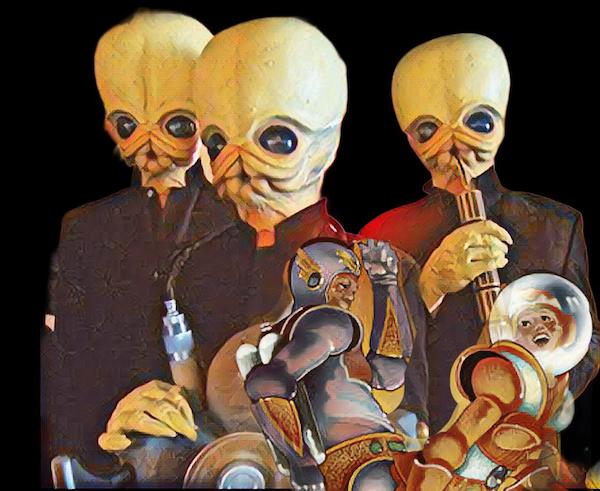
Meco was the producer of the Gloria Gaynor classic, Never Can Say Goodbye and had been obsessed with Star Wars since he saw the first film in theaters in 1977. A fan of John Williams‘ music, he regretted that, since it was orchestrated, it would not be played on the radio and contacted the owner of his record company, Casablanca, to try to re-record it in a disco version.
When he got the authorization, Meco teamed up with Broadway producer Harold Wheeler and the two rearranged the main themes as a medley, “Star Wars Theme/Cantina Band”, which was a huge success. It reached the top of the Billboard charts, remaining at number one for two weeks and becoming the only instrumental single in history to be certified platinum by the RIAA, selling over one million copies. In addition, the album Star Wars and Other Galactic Funk became a huge commercial success, reaching number 13 on the Billboard 200.

This album by Meco not only became part of the disco craze but also showed how the music of Star Wars could be shaped and reinterpreted in unexpected ways, as well as creating a bridge between the film and the popular culture of the time. It has become a symbol of the fusion between John Williams’ orchestral music and the most pulsating musical movement of the 1970s.
The Imperial Theme
Another iconic theme is what has become known as the Imperial March, an iconic theme associated with Darth Vader and the Galactic Empire. It is one of John Williams’ most recognizable compositions, and has been reinterpreted and remixed in many ways over the years, both within and outside the Star Wars universe.
The song, which originally evokes the grandeur and menace of the Empire, has been used in creative and unexpected ways in many contexts. Remixes and electronic versions of the piece have been created by DJs and music producers, bringing the theme to the dance floor with a modern and pulsating twist. In addition, the Imperial March has been used in commercials, television shows, and even at sporting events, where its imposing melody conveys a sense of power and dominance.
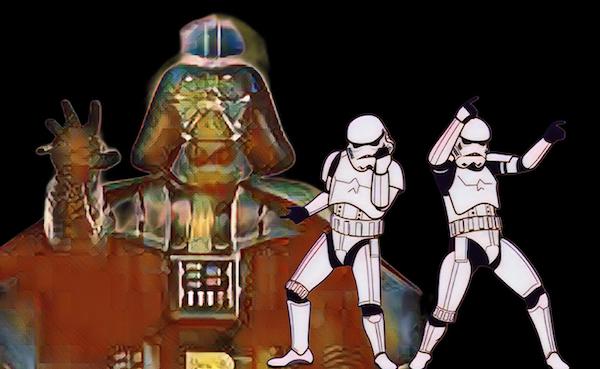
In many of these remixed versions, the theme is altered to create a lighter or more comical atmosphere, as was the case with its adaptation in parodies or in sports competitions, where its dramatic charge is softened to generate humor or irony. This flexibility of the theme is a testament to its cultural impact and how Star Wars music has become part of the global sonic vocabulary, crossing the boundaries of cinema and infiltrating various forms of entertainment and popular media.
Andor aligns music with the characters’ politics and personal dilemmas
With the impact of Niamos‘ remix, we can see that Star Wars‘ relationship with dance music is far from a thing of the past. On the contrary, it continues to renew itself and adapt.
With its electronic beat and its minimalist production, the current hit offers a modern reinterpretation of this tradition and connects with the idea of resistance, sophistication and the silent struggle that permeates the series, as the perfect antidote to the epic themes of war and celebration that traditionally mark the Star Wars universe, establishing the fusion between the music of the films and the series as a continuous evolution.

From the Cantina Band in disco music to the electronic beat of Niamos, Star Wars continues to reinvent itself, reflecting not only the evolution of the franchise itself, but also the flow of musical and cultural trends. It is the musicality of the Star Wars universe heard (literally) in new, exciting and unexpected ways.
No matter the rhythm, be it disco or electronic, the Star Wars soundtrack continues to cross generations, connecting the galaxy to new forms of expression and a new audience, always maintaining the magic of music.
Descubra mais sobre
Assine para receber nossas notícias mais recentes por e-mail.
 miscelana.com