
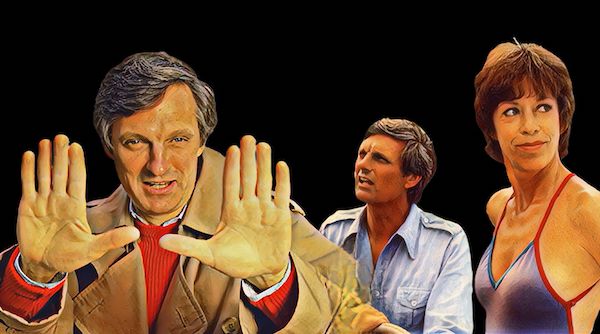
The success of the 2025 version of Four Seasons has rekindled curiosity about the original work, directed by Alan Alda. Released on May 22, 1981, the film marked the award-winning actor’s debut as a film director. Previously known as a television actor, especially as the sarcastic Hawkeye Pierce in MASH*, Alda surprised audiences and critics with a mature and sharp comedy-drama about the complexities of long-term relationships between adults — marriages, friendships, and everything that changes over time.
Plot: changes amid the routine of the seasons
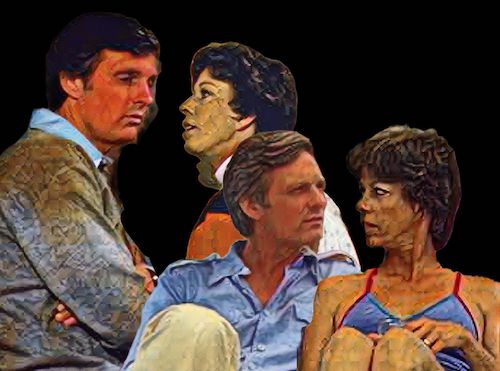
The film follows three upper-middle-class couples who cultivate an annual tradition of traveling together during all four seasons of the year. The group’s harmony is shattered when Nick (Len Cariou) suddenly separates from his wife Anne (Sandy Dennis) after years of marriage and shows up on the next trip with a much younger girlfriend, Ginny (Bess Armstrong). The arrival of the new member causes tension and reveals the hidden conflicts in the relationships of the other couples: Jack (Alan Alda) and Kate (Carol Burnett), as well as Danny (Jack Weston) and Claudia (Rita Moreno).
Throughout the four trips — spring, summer, fall, and winter — the film follows the wear and tear, reassessment, and adjustments in the emotional dynamics between the friends, all dealing with the insecurities of middle age and the difficulty of accepting change.
Alan Alda behind and in front of the camera
Four Seasons was a personal project of Alan Alda. He wrote the script inspired by his own reflections on adult friendships and the silent crises that affect long-lasting marriages. Directing and acting in the film was a challenge that he approached with sensitivity and lightness, extracting a bittersweet tone that balances humor and melancholy.
Alda’s style as a director was intimate, almost theatrical, emphasizing dialogue and the psychological development of the characters. The setting in natural settings — country houses, snow, woods — reinforces the theme of time passing, with the seasons functioning as visual metaphors for aging and renewal.
Critical reception and commercial success
The film was a success both with critics and at the box office. Released by Universal Pictures, it grossed over $50 million in the United States alone, an impressive number for a comedy-drama aimed at adults.
Critics praised Alda’s script and the work of the cast, especially the chemistry between him and Carol Burnett. Critic Roger Ebert gave the film three and a half stars (out of four), highlighting its emotional intelligence and its ability to capture “the small truths about friendship and aging.” For Ebert, Alda showed that he could go beyond situational comedy and explore deeper emotions without resorting to melodrama.
An “adult” proposal in 1980s cinema
In a decade marked by the growth of teen comedies, blockbusters, and productions aimed at teenagers, Four Seasons represented a successful exception: a film aimed at an older audience, focusing on issues such as emotional stability, marital boredom, fear of loneliness, and changes in values. The reflective and adult tone helped to consolidate Alan Alda as a sophisticated storyteller, something he would later develop in projects for theater and television.
Legacy and TV adaptation
The success of the film led to the creation of a television series of the same name in 1984, produced by Alda himself and shown on CBS, with him and Carol Burnett reprising their roles. However, it was unsuccessful and did not survive more than one season. Still, the attempt shows the film’s lasting cultural impact and the desire to explore the emotional lives of these characters more deeply.
Seasons is an elegant and sincere portrait of how time shapes our most intimate relationships. The film combines humor, tenderness, and social commentary in a simple narrative structure, but is rich in subtext. Alan Alda, in his directorial debut, showed that he knew how to transform the everyday dilemmas of adulthood into captivating cinema, without resorting to easy formulas.
Decades later, revamped as a series, the story remains relevant for its honest approach to friendship, aging, and the internal seasons we all go through.
Descubra mais sobre
Assine para receber nossas notícias mais recentes por e-mail.
 miscelana.com