
When Nicole Kidman walked onto the red carpet at the 2025 MET Gala with a beautiful pixie cut, further highlighting the elegance of her dress, the actress became the highlight of the night. If we know that, in addition to being bold and talented on screen and on stage, Nicole is one of the stars who best knows how to use the red carpet to her advantage, we also know that her hair is at the height of her versatility. I confess that I saw the radical cut and thought: “Is this really it?” — and I was right! It wasn’t. In other words, it wasn’t a real cut, but rather a wig.
The news has been circulating today on all social media because, just days after, Nicole appeared again with her long blonde hair, alongside her husband, singer Keith Urban, at another public event. So now, which of the two looks is real? This has reignited the fascination (and mystery) surrounding her hair. The answer has yet to be officially confirmed. Still, the question alone speaks volumes about Nicole’s place in pop culture: she is, perhaps, the ultimate celebrity of hair metamorphosis.
Nicole has spoken openly about her natural hair, originally red, curly, and voluminous. In interviews, she has even lamented how much she has straightened and dyed her hair throughout her life, losing part of its original texture. When she rose to international fame in the 1990s, she still wore her red curls in films like Days of Thunder and Portrait of a Lady, but slowly she began adopting blonde and straight styles.
As they seemed natural — and indeed were, when she starred in Birth (2004), sporting a short, dark, minimalist, and rigid haircut — Nicole completely broke away from the glamorous image that had made her famous in previous years. And that’s when the revelation, or rather the doubt, arose over whether she was wearing a wig or not. The look gave the character an austere, melancholic, and unsettling air, perfectly matching the psychological and enigmatic tone of the film. The visual caused some confusion at the time, but today it is remembered as one of her boldest and most iconic moments. Just two years earlier, when she won the Academy Award for Best Actress in The Hours, in addition to the prosthetic nose to play Virginia Woolf, Nicole wore a dark, austere wig that enhanced the gravity of the character. And since then, her wigs have been a topic of conversation.
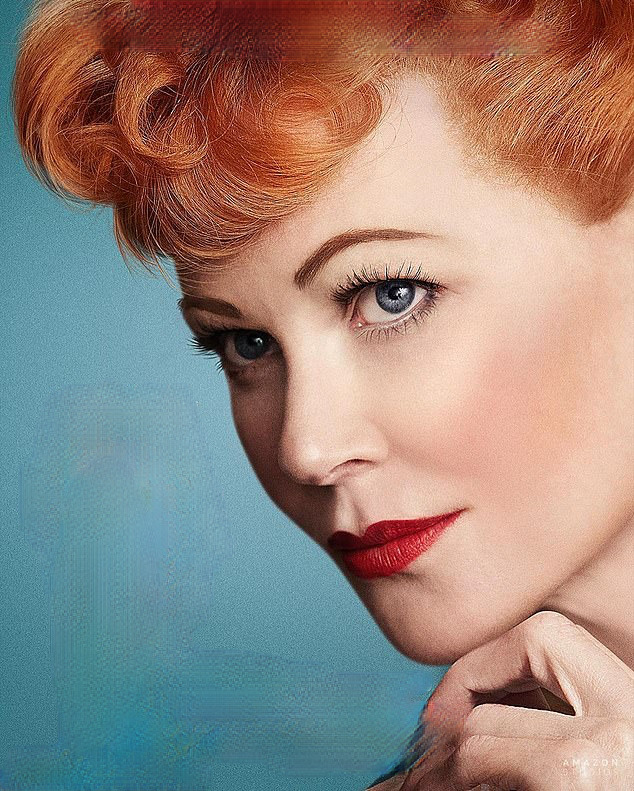

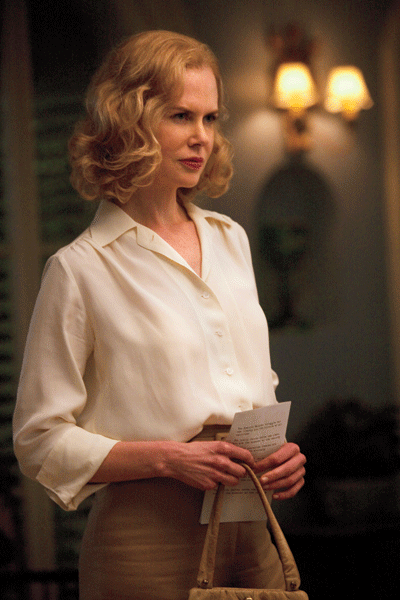
Over the years, the use of wigs has become not just a tool of the trade but also a trademark of her fashion aesthetic. From her partnership with Balenciaga to magazine covers, Nicole has never hesitated to experiment. Some wigs were so well-executed that they looked natural, like in the series Big Little Lies and The Undoing. Others generated more controversy, like the pale blonde with straight bangs and stiff volume in Expats, or the artificial brunette in Destroyer (2018), which divided opinions. Still, even when they don’t work perfectly, her wigs indicate aesthetic risk and dramatic commitment, traits that define her public persona.
Among Nicole Kidman’s best wigs:
- Big Little Lies – The coppery blonde with soft waves on her character, Celeste, strikes the perfect balance between natural and elegant.
- The Hours – Dark, unstructured, with visible roots: perfect for embodying Virginia Woolf.
- The Others – A contained, tied-up, dark brown look, reinforcing the film’s eerie atmosphere.
- The Stepford Wives – Platinum blonde, perfectly styled, satirizing the artificial woman ideal — here, the wig is part of the critique.
- The Undoing – Long, red curls returned in great style, reminding us of Nicole from the 1990s, but with a modern finish.
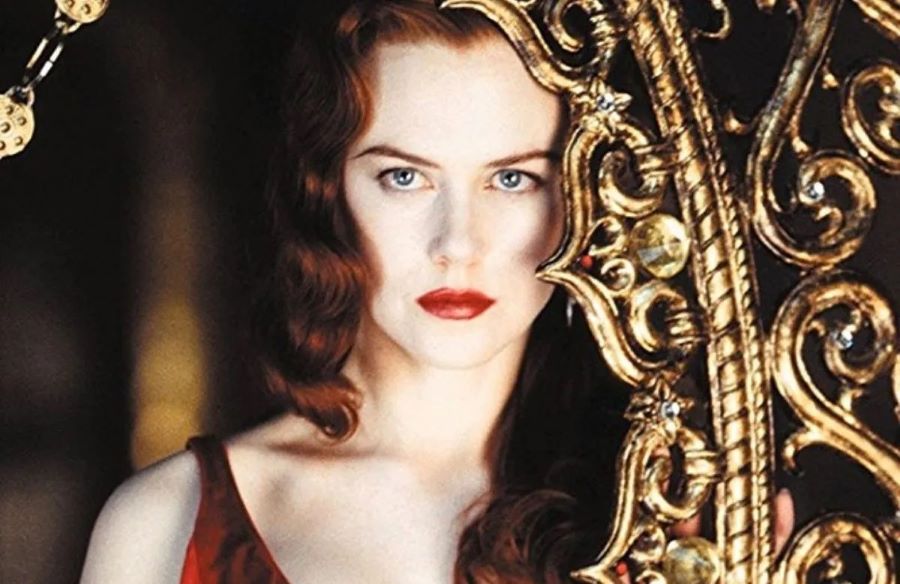


And among those that were less convincing:
- Expats – The pale blonde with thick bangs and stiff volume seemed unnatural, especially in outdoor scenes.
- Grace of Monaco – The retro blonde look, although historical, appeared too artificial and detracted from the dramatic credibility.
- Destroyer – The messy brown hair was part of the actress’s deconstruction, but the look became more distracting than immersive.
- Nine Perfect Strangers – The white blonde, almost ethereal, with visible roots, caused some bewilderment, though this may have been intentional, given the strangeness of the character.
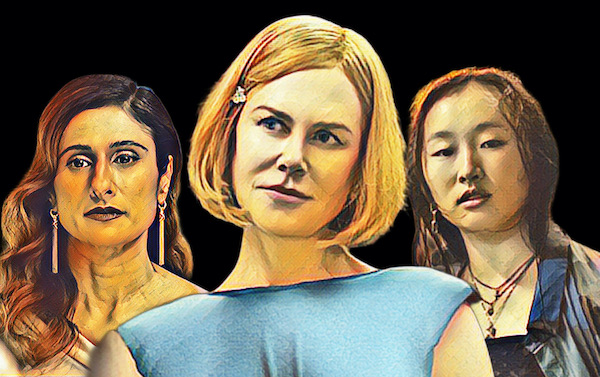
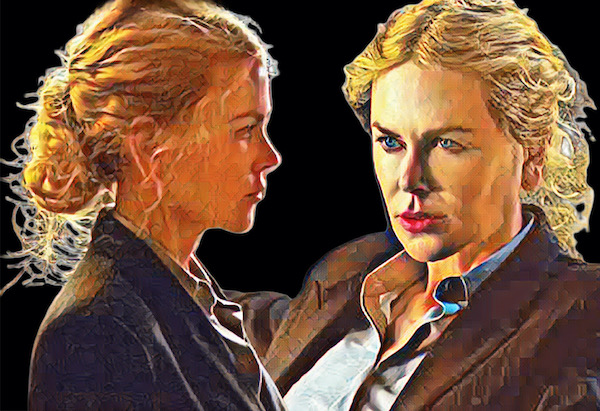
But Nicole isn’t alone in this world. The use of wigs in Hollywood is much more common than one might think. Viola Davis has been open about her use in How to Get Away with Murder and the relief she feels when removing them, even in a memorable scene in the series. Zendaya, another fashion chameleon, frequently changes her look thanks to well-crafted wigs.
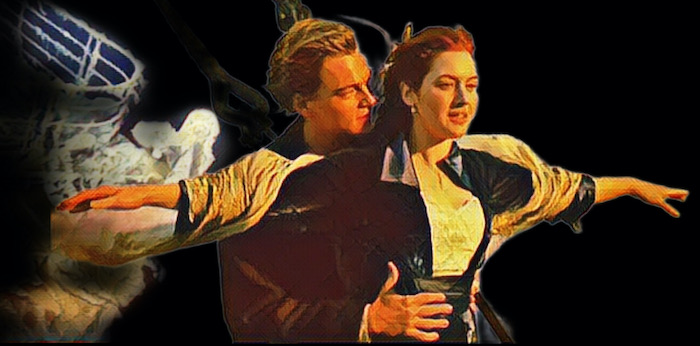
The option for wigs also prevents permanent damage, as other stars have already reported. Kate Winslet, for example, revealed in an interview that her natural hair never returned to normal after Titanic, a film in which she had to bleach and style her hair repeatedly to maintain the look of Rose. “I ruined my hair forever,” she confessed. She is one of many actresses who, years later, regretted not having opted for wigs to protect their visual identity and hair health.
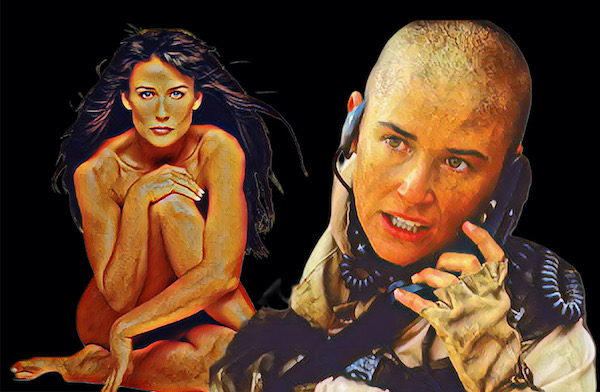
While many actresses turn to wigs to preserve the health of their hair or facilitate visual transformations, others choose more radical changes, such as shaving their heads for authenticity in their roles. Demi Moore made history by shaving her head for her role as Lieutenant Jordan O’Neil in G.I. Jane (1997), symbolizing her total commitment to the character. Natalie Portman also delivered a powerful scene in V for Vendetta (2005), when she had her head shaved on camera during a torture scene. More recently, Florence Pugh chose to shave her head for the role of a chef diagnosed with cancer in the romantic drama We Live in Time, seeking a more authentic portrayal of the character. Other actresses who have undergone similar transformations include Charlize Theron in Mad Max: Fury Road, Joey King in The Act, Olivia Cooke in Me and Earl and the Dying Girl, and Persis Khambatta, who shaved her head in 1979 to play Lieutenant Ilia in Star Trek: The Motion Picture. These choices demonstrate these artists’ dedication to their roles, often facing personal and professional challenges to deliver memorable performances.

This, in comparison to Nicole Kidman’s professional and fashion success, raises the question: Does wearing a wig compromise artistic authenticity? Quite the opposite — often, it’s the reverse. A wig allows actresses to change radically without damaging their hair, adapt to diverse roles, and explore visual nuances freely. And in Nicole Kidman’s case, these choices have become part of her aesthetic signature. They are armor, masks, and metaphors — and sometimes, simply beautiful choices.
The truth is, Nicole hasn’t been a redhead for a long time. But thanks to the work of stylists and wig masters, she can be a redhead, blonde, brunette, or platinum whenever she wants — and remind us that glamour, fiction, and reinvention remain essential to the mystery of being a star.
Descubra mais sobre
Assine para receber nossas notícias mais recentes por e-mail.
 miscelana.com