
The year 2025 began in the United States under the sign of judicial tension. Three highly publicized cases promised not only to shake the legal system but also to reshape narratives around power, violence, and reputation in an era of total exposure. The names were powerful and familiar: Sean “Diddy” Combs, accused of leading a sex trafficking ring; Bryan Kohberger, on trial for the brutal murders of four students in Idaho; and Blake Lively, unexpectedly drawn into a defamation battle with Justin Baldoni. Each case seemed, in its own way, to carry the potential of becoming a new O.J. Simpson or Depp vs. Heard. But what’s most surprising, now that two of those cases have reached their conclusions, isn’t just the outcome — it’s how the path to those outcomes subverted many expectations.



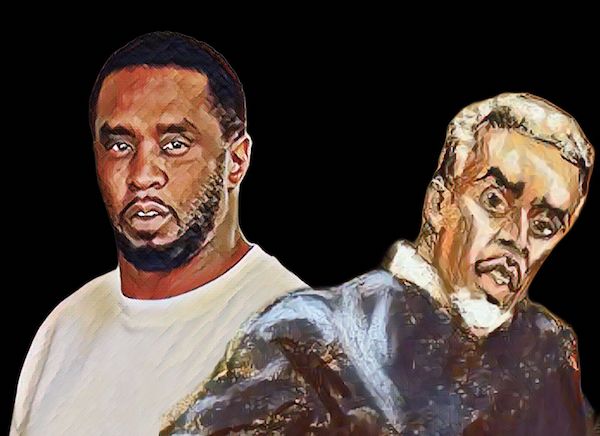
In the case of Diddy, what many expected was a long and devastating trial. The list of charges — from sexual assault to organized criminal activity — painted a picture of a systemic predator. Comparisons were drawn to cases like R. Kelly or Harvey Weinstein. But what emerged in court was a prosecution narrative marked by gaps and the difficulty of proving that Combs’ actions constituted a criminal enterprise. The final verdict — acquitting him of the most serious charges but convicting him on lesser ones related to prostitution — revealed a justice system that, while firm, seemed unwilling to follow public pressure to the end. The reaction was mixed: relief among the artist’s defenders, but also a troubling echo from activists and survivors who had hoped for a more symbolic conviction.
Bryan Kohberger, at the center of one of the most shocking crimes in recent memory — the brutal murders of four students at an off-campus house in Idaho — delivered perhaps the most unexpected twist. Initially pleading not guilty, he changed his plea to guilty, accepting a deal that spared him the death penalty but imposed four consecutive life sentences. What caused the greatest frustration, however, was his silence. Many expected that, in exchange for the plea deal, Kohberger would explain his motive. Instead, he said only what was legally required: he admitted his guilt, confirmed the killings, and returned to silence. The families of the victims were divided between relief at avoiding a long and painful trial and anguish at being denied answers that might help them make sense of the tragedy. Legally, the case is closed. Emotionally, it remains wide open.

And then there is Blake Lively, whose involvement in a defamation lawsuit surprised even her most devoted fans. Accused by Justin Baldoni of orchestrating a reputation-destroying campaign based on false harassment claims, she went from respected actress to central figure in a legal clash involving not only reputations but the limits of what can — and should — be said publicly. In June, the court dismissed Baldoni’s lawsuit, recognizing that Lively’s statements were legally protected, especially as they were formally filed as a complaint. The case was thrown out, but the battle continues: Lively‘s own countersuit against Baldoni will go to trial in 2026. Still, this early victory was celebrated as a landmark moment for the legal protection of those who report abuse, especially when powerful names are involved on both sides.
Looking at the trajectory of these three trials, it becomes clear that 2025 is shaping up to be a symbolic year for public perception of justice. The courts didn’t deliver “cinematic” endings — instead, they gave us imperfect, human ones. Diddy avoided being branded a mob boss but was not declared innocent. Kohberger admitted guilt but offered no explanation. Lively won legally, but still faces personal and public fallout from the exposure.

These cases show that in the age of hyperexposure, justice is no longer just a legal process: it’s a live narrative, dissected in real time, debated online, chronicled in podcasts and documentaries. The public doesn’t just want to see guilty parties punished — it wants to understand why, to hear explanations, redemption arcs, catharsis. And justice doesn’t always offer that — nor should it.
If 2025 has taught us anything so far, it’s that a court can deliver a verdict, but the story — that continues to be judged in the public arena, and in the silences it leaves behind.
Descubra mais sobre
Assine para receber nossas notícias mais recentes por e-mail.
 miscelana.com