
Discussing the historically inspired costumes in The Gilded Age is a hobby in itself. But nothing about it was casual — it wasn’t enough to simply choose a “pretty dress.” In the Gilded Age era, clothing wasn’t just a matter of style — it was a social code, almost a language of its own. For a woman in the New York or European elite at the end of the 19th century, the day was literally divided by dresses. That’s right: you had an outfit for the morning, another for the afternoon, a third for dinner, and yet another for evening events. And each followed rigid rules of etiquette, materials, cuts — even what could or could not be revealed.
The morning dress, for example, was worn at home during the early hours of the day. It was modest, buttoned up to the neck, with long sleeves and light fabrics such as cotton. No cleavage, no shine. Perfect for reading letters, sewing, or having breakfast away from the gaze of society — yet still, with decorum.

The afternoon dress came into play around 1 or 2 p.m. It was more elaborate, using fabrics like taffeta or light silk, and featured slightly brighter colors — though still restrained. It was meant for receiving guests or going out for tea, and still followed the Victorian codes of decency — no low necklines, but with more embellishments and a touch of permitted vanity.
Dinner was an event in itself, even at home. The dinner dress was more formal than the afternoon outfit but less glamorous than the evening one. It often had lower necklines, short or ¾-length sleeves, and rich fabrics like velvet and satin. It marked the transition from domestic life to a heightened level of social preparation. Even if dining only with family, formality was required.


Then came the highlight: the evening dress. This was the time to shine — literally. Bare shoulders, deep necklines, defined waists, trains, and luxurious fabrics like organza, tulle, and silk, often with heavy embroidery, sparkle, and volume. Perfect for operas, balls, receptions — any event where one’s social standing was first announced by their attire. Gloves were long, hairstyles were tall, and the fan — of course — was part of the game.
Beyond those, there were also walking dresses, meant for strolling in public or making formal visits. These were structured, often with bustles and elaborate hats, designed to impress. There were also traveling dresses, practical and dark-colored, and riding habits, featuring tailored jackets and long skirts to ride sidesaddle with elegance. And at home, if a woman was alone or with family, she could wear a tea gown — a type of elegant robe, worn without a corset, already hinting at a (discreet) freedom that would only come much later.
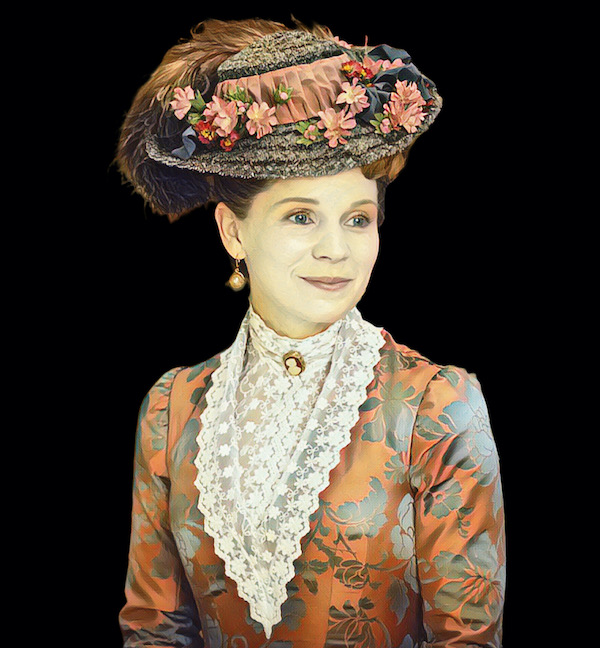

These multiple outfit changes throughout the day weren’t just vanity. They displayed time, money, and status that allowed a woman to live almost as a curated display — beautiful, composed, representing the family’s prestige. Changing clothes was, above all, a way to prove you could.
An interesting detail: since all garments were handmade and custom-tailored, no one had exactly the same dress — but having a vast wardrobe was still extremely expensive. For Marian, for instance, it was an impossibility, only made possible with the help of her aunts — which is why we often see her repeating dresses in different scenes.
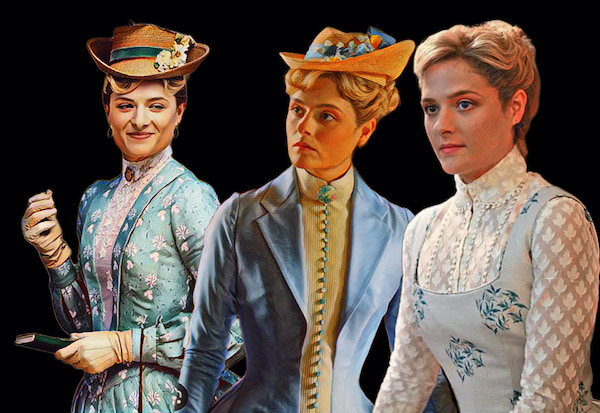
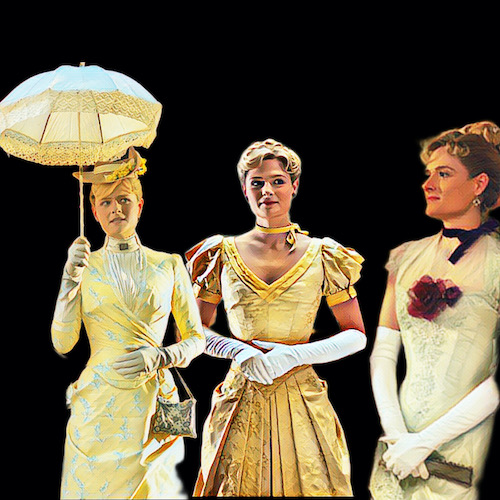
More than just aesthetic beauty, the costumes in The Gilded Age reflect a social logic in which the female body was carefully shaped — not only by corsets and fabrics, but by schedules, functions, and expectations. Dressing up was performing a role. Each layer of lace or satin carried the weight of an imposed identity — a place to be filled (or conquered) on the relentless stage of New York high society.
By revisiting these codes through fiction, the series does more than impress with its impeccable visuals — it exposes how, so often, glamour was a prison disguised as elegance. And it’s in this contrast between beauty and rigidity, between freedom and appearance, that the characters’ wardrobes silently reveal everything they could never say out loud.
Descubra mais sobre
Assine para receber nossas notícias mais recentes por e-mail.
 miscelana.com