
Since Jeffrey Epstein’s arrest in 2019 — and his controversial death shortly after — expectations have surged that a list of “clients” involved in his sex trafficking scheme would be made public, exposing powerful figures from the worlds of politics, finance, and entertainment. This idea, fueled more by pop culture and social media than by concrete judicial evidence, promised to reveal the names of wealthy men who abused underage girls recruited by Epstein and his close associate, Ghislaine Maxwell. But to this day, the long-awaited list has never officially appeared — and may never materialize.
This expectation wasn’t without foundation. Authorities found flight logs, address books, emails, and contact records on Epstein’s properties. Some of these documents were used in the trial that sentenced Ghislaine Maxwell to 20 years in prison for grooming and trafficking minors. But at no point did the prosecution present a formal list of “clients.” The focus remained squarely on Maxwell’s role as an enabler, not on identifying the individuals who allegedly benefited from the abuse.
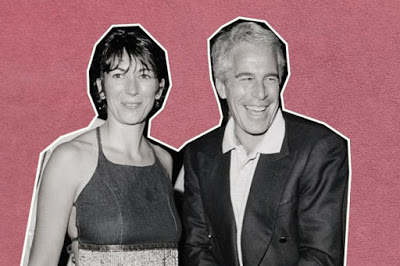
Over the years, several names surfaced — not through a client list, but through connections to Epstein’s private jet (dubbed the “Lolita Express”), his properties, or through victim testimony. Names such as Bill Clinton, Donald Trump, Prince Andrew, Alan Dershowitz, and Jean-Luc Brunel have been mentioned. However, being named in documents or testimony does not amount to a criminal charge. Many of those cited simply moved in the same social circles as Epstein and have vehemently denied any wrongdoing.
In 2024, the release of previously sealed documents from a lawsuit filed by Virginia Giuffre, one of Epstein’s most well-known accusers, brought new fragments of testimony to light. But even those records offered no formal, structured list backed by hard criminal evidence that could lead to new prosecutions.
The absence of such a list had a significant impact on how the case was perceived by the public. Why was Maxwell the only one sentenced if the trafficking was clearly for the benefit of others? Where were the men who actually received the services of the trafficking ring? The silence from the justice system sparked outrage, conspiracy theories, and widespread suspicion of institutional protection.
Prince Andrew’s case stands out. Giuffre accused him of sexually abusing her when she was underage. Andrew has denied all allegations but settled the case out of court in 2022 for millions of dollars, without admitting guilt. The fallout was severe: he lost his honorary titles and was pushed out of public life by the British royal family.
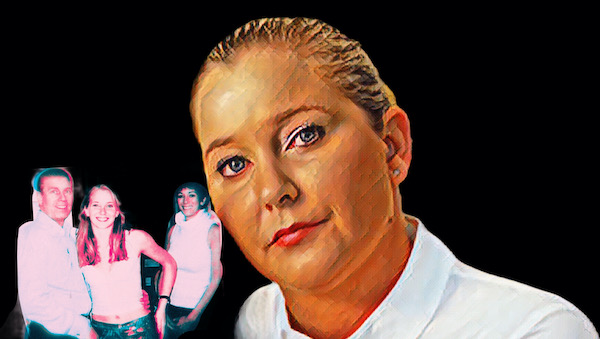
Meanwhile, documentaries like Filthy Rich (Netflix) and newer investigative reports have continued to attempt to unravel Epstein’s web of influence. Still, to this day, no U.S. authority has filed formal charges against any other “clients.” Many case documents remain sealed, and pressure continues to mount on the FBI and U.S. Justice Department to provide full transparency.
One of the most controversial turns in the case — and one that deepened suspicions of a cover-up — involved a dramatic shift in statements from federal prosecutors. In early stages of the investigation, officials publicly stated they had seized over one terabyte of digital material belonging to Epstein: videos, photos, confidential files, financial records, and contact lists. Some court filings (still sealed at the time) hinted at the existence of a list of names tied to the sex trafficking operation, which led the public to expect further indictments.
However, by 2023 and 2024, prosecutors surprised the public by stating that “no client list was found” and that the documents seized did not support new criminal charges. This statement directly contradicted earlier assertions and triggered backlash from journalists, lawmakers, and advocacy groups.
Critics of former President Donald Trump were especially vocal. Trump had a documented friendship with Epstein in the 1990s and maintained a close relationship with Ghislaine Maxwell, about whom he publicly said, “I wish her well” after her arrest. While Trump later claimed he had cut ties with Epstein long ago, photos, footage, and records show them attending the same parties and clubs. In this context, opponents argue that political interference may have played a role in suppressing damaging revelations.
Under Trump’s administration, the FBI and the Department of Justice had direct oversight of the Epstein case. Critics speculate that some material may have been hidden, archived, or even destroyed to shield influential names — possibly including Trump himself. To this day, there has been no full accounting of what was found in the safes and hard drives seized from Epstein’s homes.

The widespread frustration is understandable. The Epstein “client list” scandal has become symbolic of something much larger: the sense that the ultra-rich and powerful can walk away unpunished from the most serious of crimes — even when victims speak out, and circumstantial evidence abounds. What should have been a closed case — with Epstein dead and Maxwell convicted — remains painfully unresolved in the public imagination, hovering between outrage and mystery. The list, in the end, has become more of a ghost than a document: always rumored to be just around the corner, but always out of reach.
Descubra mais sobre
Assine para receber nossas notícias mais recentes por e-mail.
 miscelana.com