
The Cure is undoubtedly my favorite band. Although I discovered them in 1983 through friends and tapes circulating among us, it was with the album The Head on the Door that Robert Smith entered my life to stay. And he really did. Even today, I get emotional listening to this record—I play it from start to finish with the same passion and dedication as when I first found it. It’s one of those rare albums that seem tailor-made for our own inner universe, while at the same time expanding the world around us.
Released on August 26, 1985, The Head on the Door marks a turning point in The Cure’s trajectory. Until then, the band already had a cult reputation, known for their existential dives in dark and dense albums like Faith and Pornography. But here, suddenly, Smith decided to open the windows, breathe, and allow other colors, rhythms, and textures to invade his music. It was as if The Cure had stopped being an introspective band and started to talk to the world—without ever losing the melancholic poetry that made them unique.
At the time of its release, The Head on the Door made an immediate impact. It was pop without being banal, dark without being oppressive. It was the record that catapulted The Cure to a new level, making them go from a niche phenomenon to one of the most important bands in global alternative rock. But beyond commercial success, what moves me is how personal this album feels. It’s a record that embraces the strange, the light, the dark, the innocent, and the anguished—all harmoniously and unexpectedly danceable.
Produced by Robert Smith and Dave Allen, the album was recorded in London with a new lineup that included the return of bassist Simon Gallup, the definitive entry of Porl Thompson on guitars and keyboards, drummer Boris Williams (ex-Thompson Twins), and Lol Tolhurst, now exclusively on keyboards. With this lineup, The Cure found a rare and intense chemistry, which shines through in every track.
Smith wrote all the songs alone, giving the album a powerful emotional unity. And at the same time, it is a diverse record. Each track is a small world: a memory, a nightmare, a love letter, a confession, or a daydream. The album’s title comes from a recurring dream Smith had, in which he saw a head floating behind a door—a vivid image that captures the feelings of anxiety, mystery, and fragility that permeate the record.

In Between Days, for example, is to me one of the greatest songs ever made. Its simplicity is absolutely effective. The beat, the acoustic guitars, the urgency of the melody… everything about it is visual, tangible, straight to the heart. Even today, decades later, it sounds fresh and current, as if it were written yesterday. And the video, with its almost homemade effects and the camera spinning around the band, is unforgettable in its pop humility.
Close to Me is another story. When I first saw the video—with the band squeezed into a closet that falls off a cliff—I was fascinated. That colorful, almost cartoonish claustrophobia spoke of real fears with a tragic lightness. The music, with its keyboards and muffled brass, almost without guitars, showed how experimental The Cure could be without losing melodic appeal. The video became an instant MTV icon, but even isolated from the image, the song remains perfect: suffocating, sweet, almost whispered.
Other tracks also left a deep mark on me. A Night Like This, with its melancholic saxophone, seems written to be heard at night, on the move, with the soul in suspension. Push has that instrumental crescendo that gives chills, like running to meet someone left in the past. And Kyoto Song—one of my favorites—carries a ghostly oriental vibe, a romantic suspense that never resolves.

Even the lesser-known songs like Screw and Six Different Ways show the album’s boldness. It’s as if Robert Smith was opening every window of his brain and inviting us to look inside—even if what we saw was absurd, childish, strange, or scary.
The Head on the Door’s success was immediate. The album reached number seven on the UK charts and entered the US Billboard 200 for the first time, signaling that The Cure was ready for bigger stages and broader audiences. But none of that would matter if the music weren’t so sincere, so visceral, so brilliantly composed.
More than a commercial success, the album paved the way for the masterpieces that followed, like Kiss Me Kiss Me Kiss Me and Disintegration. At the same time, it consolidated The Cure as a band that knew how to inhabit both the basements of the soul and the dance floors—without ever sounding opportunistic.
And here comes another chapter of my story with the band. Just two years later, with Kiss Me Kiss Me Kiss Me, they came to Brazil for the first time, filling Maracanãzinho. And I missed it. I was living in the United States at the time and cried like a child. Not just because I missed the chance to see them live, but because The Head on the Door was still pulsating inside me like an open wound and deep affection. It felt like I had lost a moment that was both historic and intimate.

And unfortunately, the pattern repeated itself. Every time The Cure was in Brazil, I was somewhere else, living abroad, on another continent. I was beginning to accept the idea that maybe I’d never see them live, that my relationship with them would always be sonic and emotional but physically distant.
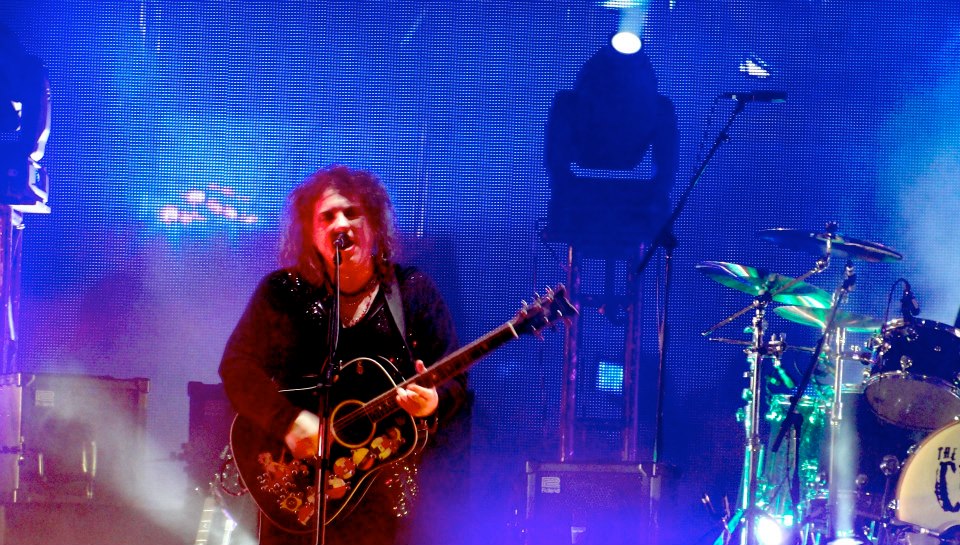
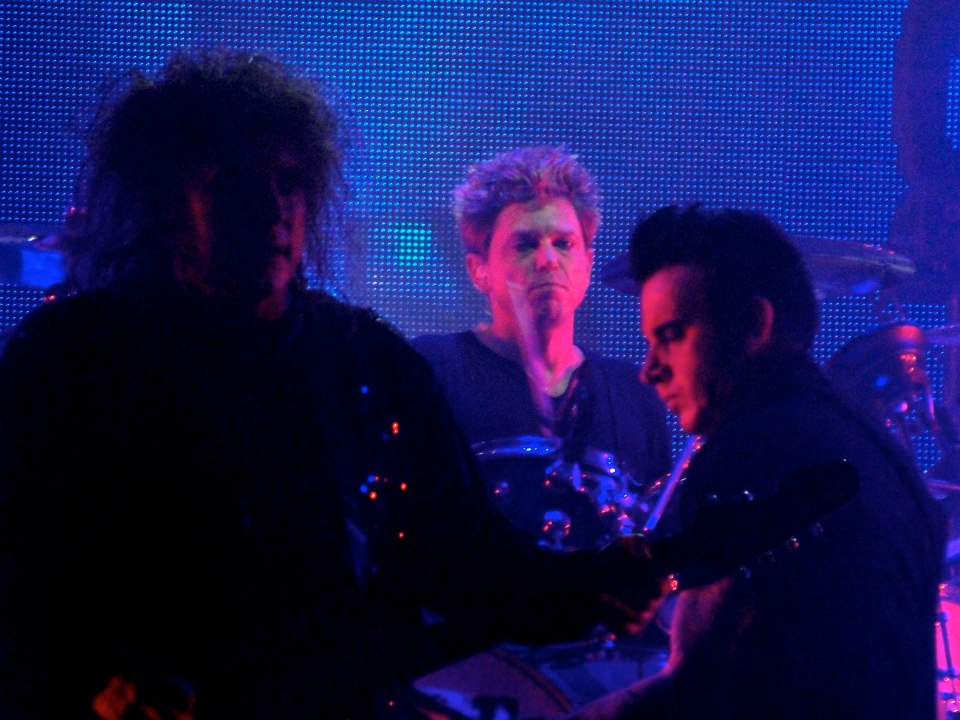
But fate decided to give me something back. In 2012, I finally broke the dry spell. I watched a full show live, and it was everything I expected—and more. They played the greatest hits from The Head on the Door among many other hits, as if each track was still part of the present—and it was. In Between Days, Push, Close to Me… all there, like sonic tattoos of a lifetime. I remember every chord like a reunion, a confirmation: I had waited, and the wait was worth it.
In 2023, I experienced it again. The show felt like a celebration for longtime fans. Seeing those songs come to life in front of thousands, yet felt individually by each person, deeply moved me. Because The Head on the Door, more than an album, is a place of memory—and being there, hearing those songs live, was like walking again through my own feelings as both a teenager and adult, all at once.

Today, I hope to see them one more time. I know it’s unlikely. Time passes, tours become rare, and age weighs on them as much as it does on us. But with The Cure, I learned that the improbable is always possible. They taught me that melancholy can be beautiful, that the strange can be familiar, and that an album like The Head on the Door can cross decades intact—not just sonically but emotionally.
Every time I listen to this album, I feel as if I’m meeting an old version of myself—that one who cried secretly listening to In Between Days for the first time, who locked herself in her room to dance on loop with Close to Me, who found not only consolation but identity in Robert Smith’s lyrics. And maybe that’s why this album never grows old. Because it’s engraved not only on vinyl or CD but in the emotional memory of those who lived it—and continue living it.
And while there’s a chance, no matter how small, I’ll keep waiting for the next door to open. Because The Head on the Door is not just an album title. It’s an invitation to cross worlds—inside and out.
Descubra mais sobre
Assine para receber nossas notícias mais recentes por e-mail.
 miscelana.com