
I stopped talking about Stick week after week for the simple reason that there was nothing truly surprising or compelling to comment on. The season came and went, with ten episodes, and the announcement of a second season caught me almost as off guard as the show’s very existence. It feels like Stick doesn’t quite know what it wants to be — a redemption comedy, a critique of elite sports, or a character study. It tries to be all of the above, but delivers very little in each area.
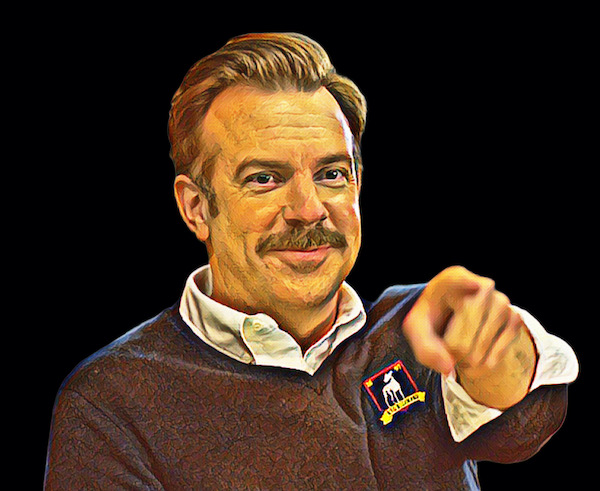
The comparison to Ted Lasso was immediate: both use a sports setting to explore broader themes — personal growth, failure, friendship, and second chances. But unlike the Jason Sudeikis-led series, Stick lacks emotional cohesion and narrative development. The issue lies in its lack of direction — and not just on the golf course.
A plot that goes nowhere (or stays on the green)
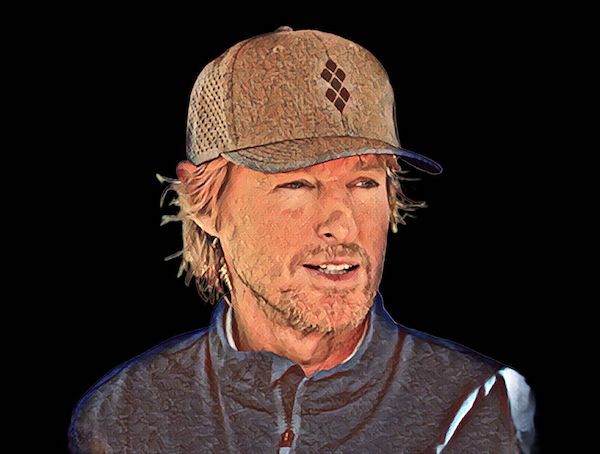
The show follows disgraced former golf pro Toby “Stick” Sutherland (Owen Wilson), a fallen legend who’s forced to coach a young, promising talent after years out of the spotlight. The classic sports redemption arc never gains real momentum here. Much of that is due to the writing, which clings to lukewarm jokes and repetitive situations rather than fully exploring the main character’s internal struggles or building any substantial drama.
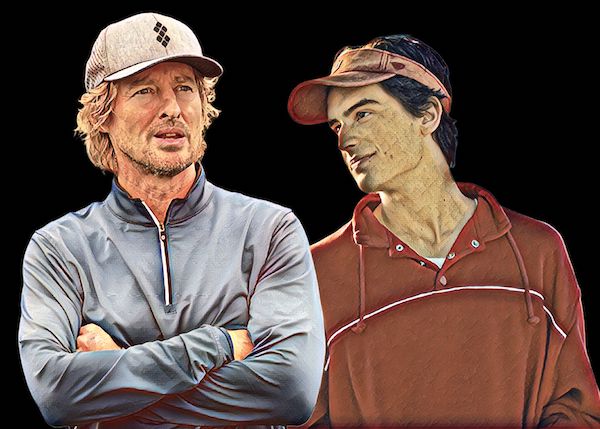
Still, the show finds brief moments of strength in the interactions between Stick and his protégé, played by Peter Dager, a true breakout in the cast. Dager, still early in his career, brings a natural charisma to the role of a young golfer who needs as much emotional grounding as technical coaching. It’s in him that the series almost finds the heart it so desperately lacks in its lead.
Golf’s (mostly American) cinematic appeal
It’s worth noting that while sports like football, baseball, and basketball have widespread appeal in cinematic storytelling, golf remains almost exclusively an American domain — especially in portrayals that blend tradition, competition, and personal struggle. Films like The Legend of Bagger Vance, Tin Cup, and The Greatest Game Ever Played treat golf as a metaphor for discipline, patience, and often, masculinity in crisis.
In Stick, this world is portrayed with a mix of reverence and irony. The exclusive clubs, vain players, and almost esoteric rules of the sport provide a colorful backdrop — and the show gets it right when it pokes fun at golf’s self-seriousness. However, for international audiences, golf may lack the same emotional pull, limiting the series’ resonance outside the U.S.
Owen Wilson on autopilot?
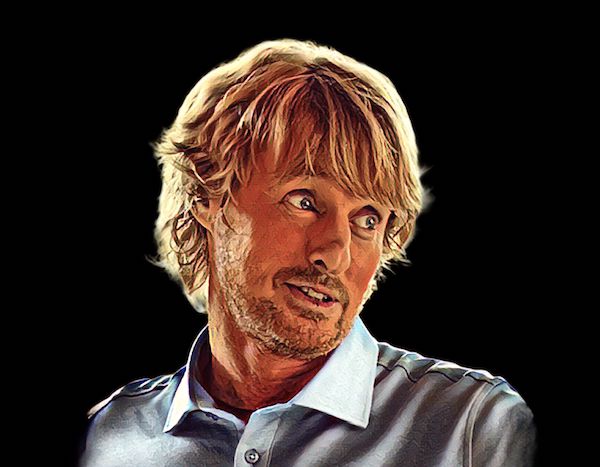
Owen Wilson is, as always, charming. His portrayal of Stick has funny moments, offbeat lines that feel improvised, and a melancholic edge that suits the fallen-athlete archetype. But he also seems to be playing a slightly drunk version of himself, and the script doesn’t give him much to work with. It feels like Wilson is here more out of goodwill than deep creative investment.
What now?
The show’s renewal means Stick will have a chance to reinvent itself — or at least move the story forward. The dynamic between the veteran and the rookie could deepen, as could the underexplored tension with figures from Stick’s past. The season finale hints (albeit subtly) at a possible comeback in the professional circuit, or even a personal reinvention outside of golf.
Is there potential? Yes. Urgency? Not quite yet. But if the series can better balance humor, emotion, and story, perhaps season two can finally deliver what season one merely flirted with: a tale about failures that deserve a second shot.
Descubra mais sobre
Assine para receber nossas notícias mais recentes por e-mail.
 miscelana.com