
The news of the delayed release of Michael, the official musical biopic of Michael Jackson, directed by Antoine Fuqua, doesn’t surprise me. It was one of the most anticipated contenders for the 2025 awards season — with a multimillion-dollar budget, support from the Jackson family, and starring Jaafar Jackson, the pop star’s nephew — the film seemed poised to follow in the footsteps of hits like Bohemian Rhapsody and Elvis. But between extensive edits, controversy, and a new release date pushed to April 2026, what was meant to be a tribute to the King of Pop now finds itself at the center of a Hollywood storm. And that surprises me even less.
Out of the 2025 Oscars — For Now
Lionsgate, the film’s U.S. distributor, recently confirmed that Michael will no longer premiere in October 2025, as originally planned. The new release date is April 24, 2026, removing it from next year’s Oscar race. The shift had already been speculated since April, when Lionsgate made no mention of the film during its CinemaCon presentation — a stark contrast to the previous year, when it showcased the first footage of Michael to exhibitors.
Initially, there were rumors that the nearly four-hour-long cut would be split into two parts. That idea has now been dropped: Fuqua is working to edit the material down to a single, more manageable film.

Behind-the-Scenes Controversies
From the beginning, Michael attracted attention not only for its scale but also for the sensitive issues involved. In January 2025, the outlet Puck revealed that the production faced extensive reshoots, reportedly triggered by a confidential settlement between Jackson’s estate and an underage accuser who claimed he had been sexually abused by the star. The report also stated that the film would not ignore the sexual abuse allegations made against Jackson in the 1990s and 2000s.
This creative decision has divided opinions: while some praised the choice to avoid whitewashing Jackson’s legacy, others questioned how such sensitive topics would be handled in a film backed by his family and designed for mass appeal.
The reshoots caused the budget to balloon to over $150 million, making delays inevitable. Lionsgate remains in charge of U.S. distribution, with Universal Pictures handling the international rollout and Kino Films distributing in Japan.
A Cast with Legacy and Prestige
The casting of Jaafar Jackson in the title role was met with excitement: the son of Jermaine Jackson, Jaafar had been preparing for the role since 2022. His striking physical resemblance and musical lineage made him a natural fit to portray Michael — from the early Jackson 5 years to his death in 2009.
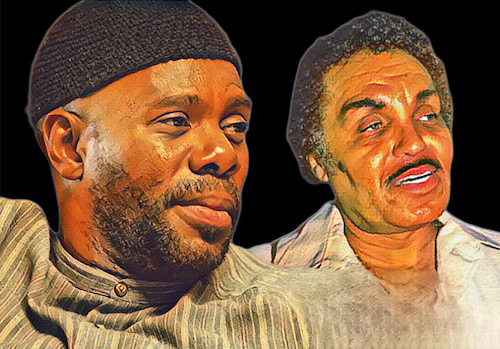
The cast also includes Colman Domingo as Joe Jackson (the singer’s infamous father), Nia Long as Katherine Jackson (his devoted mother), and supporting roles played by Miles Teller, Kat Graham, Larenz Tate, Laura Harrier, and Derek Luke. The script is by John Logan, a three-time Oscar nominee known for Gladiator and The Aviator. The film is produced by Graham King, who won an Academy Award for The Departed and produced Bohemian Rhapsody.
The Challenge of Telling a Complex Story
Portraying Michael Jackson on screen is, by itself, an enormous challenge. The film aims to chronicle his entire journey — from his childhood in Gary, Indiana, and fame with the Jackson 5, to his solo superstardom, scandals, and untimely death in 2009.
The original four-hour runtime made sense from a narrative standpoint — but not for commercial release. Now, with the decision to condense the film into a single movie, Fuqua and Logan face the difficult task of maintaining the complexity and emotional depth of Jackson’s story without sacrificing flow or coherence.
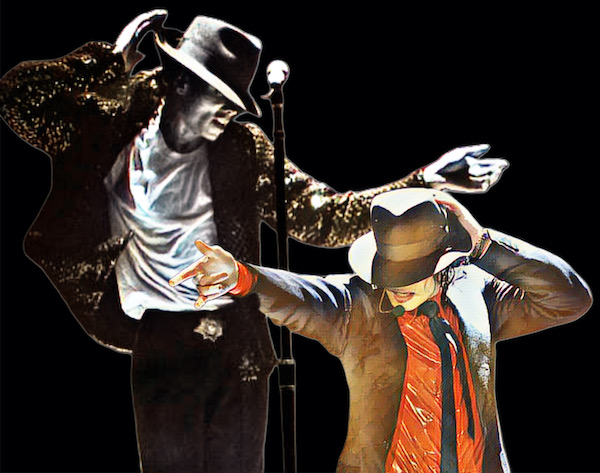
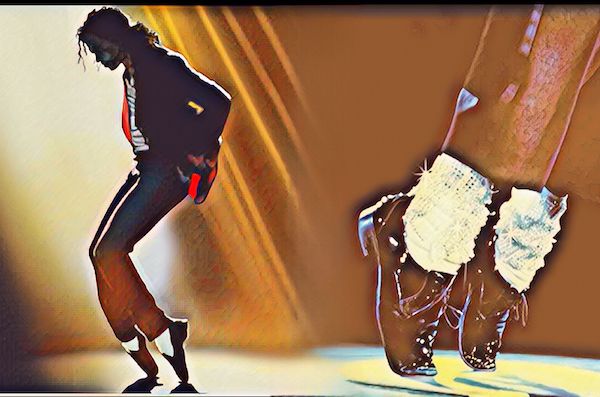
Moreover, Michael promises not to be a traditional biopic: it is expected to feature iconic musical performances, reenactments of concerts and music videos, and even moments that delve into Jackson’s inner world.
A Test for Hollywood
The delay of Michael highlights a broader dilemma in Hollywood: how to portray controversial public figures in an era of heightened cultural sensitivity? This film arrives at a time when debates around artistic responsibility, historical reexamination, and cancel culture are more intense than ever.
By choosing not to shy away from controversy, Michael distances itself from films like Bohemian Rhapsody, which was criticized for sanitizing parts of Freddie Mercury’s life. But it also risks being rejected by both die-hard fans and more critical audiences.
What’s Next?
With a new release date set for April 2026, Michael now has nearly a year to reshape expectations, complete its final cut, and launch a marketing campaign. It’s too soon to tell whether it will become a box office success, a cultural event, or an artistic misfire. But one thing is certain: the world will be watching — very closely.
Descubra mais sobre
Assine para receber nossas notícias mais recentes por e-mail.
 miscelana.com