
Some stories let you know the ending before the first kiss. They promise, from the start, a love too big to last. They make you cry not because they surprise you, but because they handle the inevitable with care. My Oxford Year is exactly that—and it still works.
Netflix’s film, starring Sofia Carson and Corey Mylchreest, adapts the novel of the same name by actress and author Julia Whelan, first published in 2018. It turns what could have been just another “cancer romance” into a gentle elegy about time, love, and transformation.
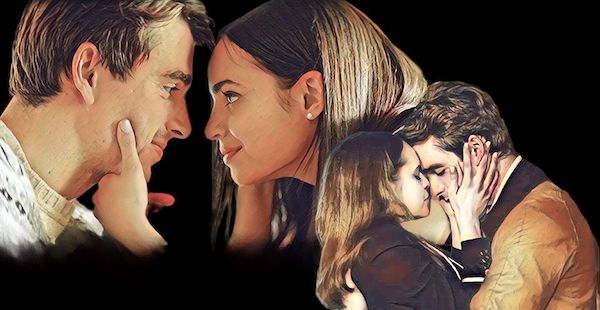
Julia Whelan and the origin of the novel
Before becoming a bestselling author, Julia Whelan was an actress—known as a teenager for starring in Once and Again alongside Billy Campbell and Sela Ward, and also in First Daughter. But it was during her own time as a student at Oxford that she began to shape the idea for My Oxford Year.
The novel came from her desire to portray that almost sacred, literary environment, but through a character who would experience a collision of cultures, ambitions, and grief. Published to critical and popular acclaim—especially in the U.S.—the book stood out as a hybrid between the tragic romance of Love Story and the ironic, emotionally intelligent tone of Jojo Moyes. A Netflix adaptation quickly followed, though with significant changes.
The story: poetry, loss, and an unmade trip
In the plot, Anna (in the film) or Ella (in the novel) is a brilliant young American who earns a prestigious scholarship to study at Oxford. Ambitious and politically driven, she arrives determined to stick to her life plan—until she meets Jamie, a literature professor with biting wit and a devastating secret: he has terminal cancer.

While Ella wrestles with the choice between staying the course and giving in to love, Jamie offers a different view of existence:
“My candle burns at both ends; it will not last the night; but ah, my foes, and oh, my friends – it gives a lovely light!”
This line by Edna St. Vincent Millay becomes both a philosophical anchor and a declaration of urgency in the face of death.
Another quote defines the film even more deeply, from Alfred, Lord Tennyson:
“’Tis better to have loved and lost / Than never to have loved at all.”
Originally written in memory of his friend Arthur Hallam, who died young, the poem expresses everything Anna learns from Jamie: that love—however brief—is worth it.
What changed from the book to the film — and why it works
I would say that since everything is predictable and follows to the letter all the rules of a romantic melodrama, the only spoiler is precisely the final scene, which adapts what is in the original.
In the book, Jamie survives long enough to travel through Europe with Ella. His death is never shown but gently foreshadowed. The focus is Ella’s transformation: she begins rigid, strategic, and ends up free, vulnerable, fully present.

In the film, Jamie dies before the trip. However, the script uses Anna’s imagination to show what could have been: she visits Paris, Amsterdam, Greece, seemingly with him, as they had dreamed. But in a twist designed to make you cry, we realize she actually made the entire trip alone, after his death, yet feeling Jamie present at every step. This changes the emotional impact. The book offers hope; the film offers catharsis. And both work.
It was a smart directorial choice. Not every love story needs a happy ending—as long as the love, however short, is lived to the fullest. Tennyson would have approved.
On-screen romance: a cliché that works
Sofia Carson, known for Descendants and Purple Hearts, brings Anna to life with a balance of intellect and heart. She has charm, clarity, and carries the emotional beats well—especially when her voice trembles with a poem caught in her throat.
Corey Mylchreest, who had already made me cry as young King George in Queen Charlotte, returns here with his signature vulnerability. Jamie is sarcastic, charismatic, and tragic. Corey doesn’t need grand gestures—his eyes do the work. Together, he and Sofia build a compelling chemistry, even when the story leans into well-worn tropes. But in this case, the cliché is a strength, not a flaw.
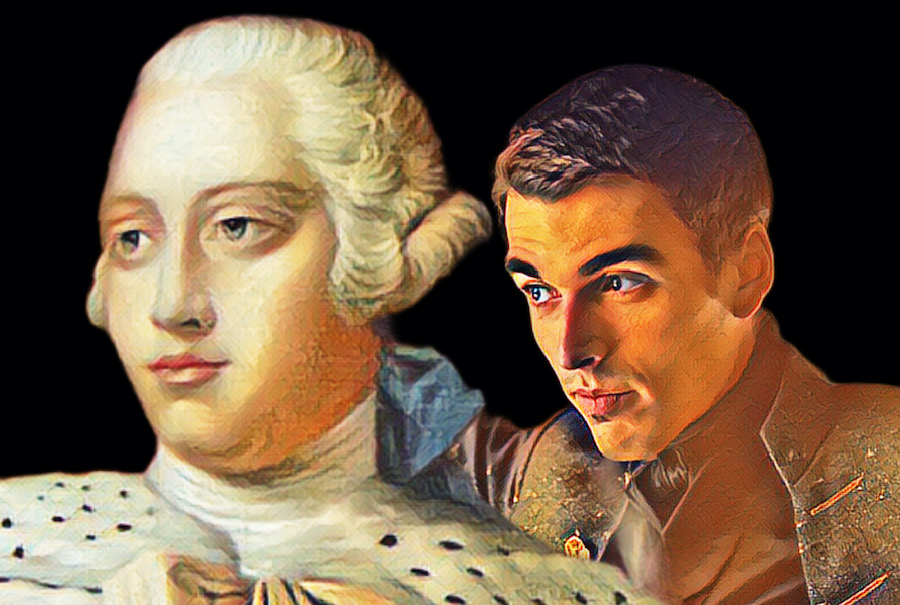

The charm and weight of Oxford
None of this would work the same without Oxford as a setting. Founded in 1096, the university is more than a backdrop—it’s a character. The ancient pubs, hushed libraries, and stone corridors give the story gravitas. Studying there isn’t just a privilege—it’s a legacy.
Oxford’s alumni list includes Oscar Wilde, J.R.R. Tolkien, T.S. Eliot, Malala Yousafzai, Emma Watson, Margaret Thatcher, Indira Gandhi, and dozens of Nobel Prize winners. That weight of tradition and excellence is what Anna carries—until she learns, through Jamie, that perhaps living is more urgent than achieving.
Echoes of Love Story and Me Before You
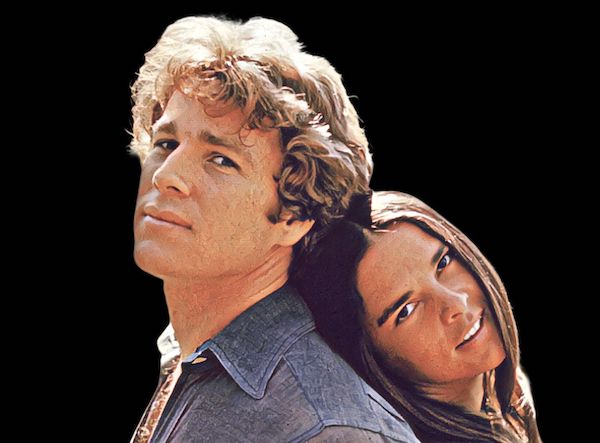
If you’re a film lover, you’ll immediately notice that My Oxford Year echoes Love Story in the romance between a young woman from a simple background and a wealthy, but estranged-from-family, young man. Their love is marked by a terminal illness, carrying the promise of a love greater than life itself, and youth cut short. But My Oxford Year is gentler.

From Me Before You, it borrows the contemporary tone and moral dilemma: is staying with someone who’s dying an act of selfishness or compassion? Like Lou, Anna learns that she doesn’t need to save anyone—just be there, fully.
In the end…
My Oxford Year doesn’t aim to reinvent the genre. It knows what it is: a story about loving, losing, and growing. About finding beauty in impermanence. About accepting that we can’t control everything—but we can choose how we respond.
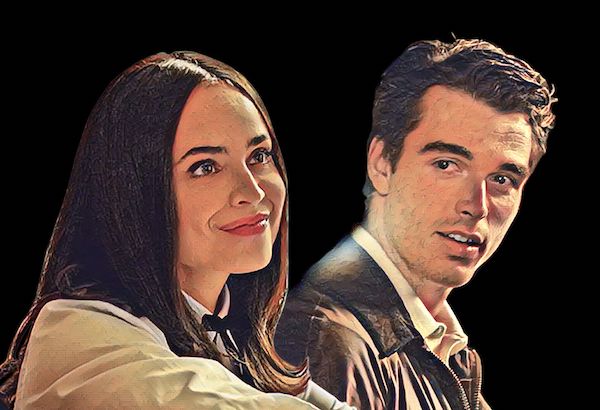
With poetry, sincere performances, and a legendary setting, the Netflix film delivers a classic romance with a modern heart. And if you find yourself tearing up—as I did—know that Tennyson already warned us:
“I hold it true, whate’er befall; / I feel it, when I sorrow most; / ’Tis better to have loved and lost / Than never to have loved at all.”
And maybe—just maybe—he was right.
Descubra mais sobre
Assine para receber nossas notícias mais recentes por e-mail.
 miscelana.com