
The awkward scene at WorldCon 2025, when a fan bluntly asked George R. R. Martin if another author should finish The Winds of Winter before he died, was more than just an episode of rudeness. It exposed a wound that has been festering for years: the uneasy relationship between a creator and the overwhelming expectations of millions of fans waiting, with less and less patience, for an unfinished work. Martin left the stage visibly shaken, and the audience reacted in shock. The fan later apologized, but the question lingered. To what extent is pressure legitimate, and when does it turn into cruelty?

Martin has stalled on his massive saga, which long ago ceased to be just popular and became a cultural phenomenon. The success of Game of Thrones pushed the pressure to an unprecedented level, and at the height of the series, he reportedly stepped back from production — as early as the fourth season — to try to finish the books. The problem is that the adaptation ran its full course, ending after eight seasons, almost ten years ago, and still the long-awaited sixth volume has not materialized. On his blog, Martin defends himself, posts fragmented updates, celebrates finished chapters, but also announces other projects, other books, other shows. His honesty in sharing the process may have left him even more exposed: by opening the backstage, he fuels the resentment of those who feel he is doing everything except what truly matters.
This clash is not exclusive to literature. Robert Smith, frontman of The Cure, knows the territory of fan frustration all too well. After repeatedly announcing new albums and failing to deliver for over a decade, he admitted he had gotten himself in trouble with his audience. When he finally released Songs of a Lost World in 2024 — the band’s first new record in sixteen years — he joked that he had enough songs for two more albums, then quickly corrected himself with irony: “Oh, here I go again getting tangled up.” Unlike Martin, who often responds more sharply to criticism, Smith learned to use self-deprecating humor as a safety valve. Yet he endured the same suffocating pressure from an audience that demands immediacy and forgets that creativity does not follow a calendar.
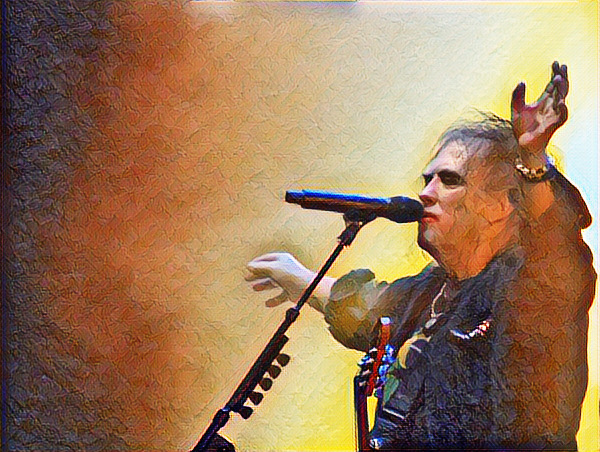
This collective anxiety breeds strange phenomena in the digital age: “hate follows” and “hate watching,” when fans continue to track an artist or work even in anger, driven by the need to criticize every step. It’s a paradox: the bond is so strong that disappointment turns into obsession. Martin has become a constant target of this toxic attention, where every small update triggers waves of frustration, while Smith, more cynical, has turned the wait itself into part of the show.
The lingering question is where the line lies between expectation and abusive demand. The audience has the right to look forward, but at what point does that right become emotional blackmail against the creator? Martin has called The Winds of Winter “the curse of my life,” and it’s easy to see why. He is no longer just the author of a saga: he has become a prisoner of a collective myth, of a work that no longer belongs solely to him. Smith, in turn, found a way to laugh at his own delays, but he too felt the fury of fan impatience.

The tension between fans and creators may be inevitable when works surpass entertainment and become cultural phenomena. But it also reveals a risk: when waiting becomes pressure, when love for a story turns into resentment, the bond can break. The WorldCon incident was a cruel reminder of this dilemma. The fan apologized, but the impatience of many had already been laid bare. Perhaps this is the great tragedy of our times: we love a work so much that we end up suffocating the very person who made it possible.
Descubra mais sobre
Assine para receber nossas notícias mais recentes por e-mail.
 miscelana.com