
Florence Welch has always known how to transform pain, mysticism, and theatricality into music. Since emerging as the force behind Florence + The Machine in 2009, she has never been just another British singer: she has been a ritualistic presence, a performer who sings as if invoking, who dances as if exorcising. The announcement of Everybody Scream, scheduled for Halloween 2025, reinforces this aura — and it is no coincidence that the first teasers show her in a red dress, instantly evoking Kate Bush in The Red Shoes. The connection is intentional: Florence is the direct heir of a lineage of artists who turned pop into liturgy and witchcraft.
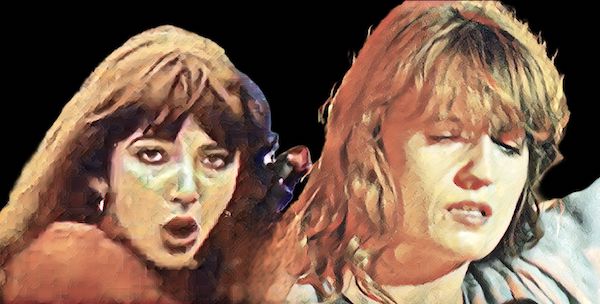
It all began with Lungs (2009), an album that already screamed in its title. Mixing indie-pop with a gothic edge, it brought songs about death, obsession, and love with raw intensity. Dog Days Are Over became a global anthem, Rabbit Heart confirmed her theatrical presence, and the cover of You’ve Got the Love lodged Florence firmly into pop culture. She emerged as a new female voice unafraid of excess, strangeness, and tribal catharsis. And my favorite track on the album is still Drumming Song, which already anticipates everything that would come to define Florence: the emotional excess (as in Ceremonials), the fusion of desire, death, and mysticism, and the idea that singing is a physical and ritualistic act.
Two years later came Ceremonials (2011), which solidified her identity. More epic, more grandiose, the album sounded like a pagan rite recorded in a studio. Hymns like Shake It Out and No Light, No Light resonated like dark prayers, and Calvin Harris’s remix of Spectrum took Florence to #1 in the UK. This was when the Kate Bush comparisons became inescapable: the same theatricality, the same desire to transform pain into monumental art. Critics accused it of being “too much,” even suffocating, but that grandeur was precisely the point.

In 2015, the fall — or rather, the confession — arrived: How Big, How Blue, How Beautiful exposed a vulnerable Florence, grappling with toxic relationships and addiction. The tone was rawer, less mythical, more human. Ship to Wreck and What Kind of Man read like open letters. Fleetwood Mac and Led Zeppelin echoed in the background, but what stood out was the courage to strip away rituals and show ruins instead. It was a divisive but necessary step.
Three years later, High as Hope (2018) deepened that gesture. Where the previous album had been a confession, this one was almost a diary. Florence openly addressed bulimia, alcoholism, and solitude. It was her most intimate, minimalist work, with Hunger and Sky Full of Song as its highlights. Many deemed it a “minor” effort precisely because of its restraint, but it anticipated a broader indie trend toward raw introspection.

Then, in 2022, came Dance Fever, born out of pandemic isolation and inspired by the medieval “choreomania” — the dancing plague that drove people to move until they collapsed. The album was both apocalyptic and liberating. King became a feminist manifesto, Free captured the desire to break internal chains, and My Love revealed a more direct, pop-oriented side. It was a record about survival, about turning hysteria into catharsis. Critics embraced it, and fans saw it as a synthesis of Florence’s epic beginnings and her confessional later phase.
Now, Everybody Scream emerges as a return to theatrical form. Announced with imagery of Florence digging holes, screaming into the earth, and clad in red like a priestess of some pagan rite, the album promises collective exorcism. The title alone makes it clear: this isn’t just her scream, but everyone’s. If Dance Fever was about survival, this new work points toward definitive release. And the choice of Halloween for its release date is a perfect fit.
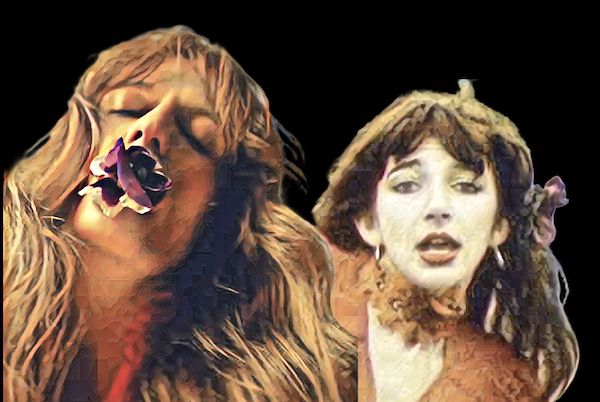
Here, the echo of Kate Bush becomes undeniable. Like Kate, Florence doesn’t just sing songs: she enacts mythologies. Both create performances that transcend music, transforming them into spells, rites, and theater. Florence’s red dress is a direct invocation of this tradition: the woman who dances until collapse, who sings until invocation, who uses her body as an instrument of exorcism.
From the first breath of Lungs, to the grandeur of Ceremonials, the ruins of How Big, How Blue, How Beautiful, the confessions of High as Hope, and the collective hysteria of Dance Fever, Florence Welch has never ceased to embody the contemporary witch of pop. Everybody Scream arrives to reaffirm her role: the artist unafraid of excess, who feeds on mysticism, and who invites her audience to cross with her the threshold between pain and beauty. A collective scream, red and ritualistic, that promises to be another unforgettable chapter in her story.
Descubra mais sobre
Assine para receber nossas notícias mais recentes por e-mail.
 miscelana.com