
To speak of Tiler Kalyn Peck (born January 12, 1989) is to speak of a ballerina who, more than anyone else of her generation, has succeeded in uniting tradition and modernity. A principal dancer at the New York City Ballet since 2009, Peck is regarded as one of the most legendary performers to ever grace the Lincoln Center stage, revered by critics and adored by audiences who follow her with devotion. Her career, however, is not confined to impeccable technique or a vast repertoire: Tiler Peck has, in many ways, become the Taylor Swift of ballet — an artist of extraordinary musicality, radiant presence, a journey marked by setbacks and comebacks, and a rare ability to captivate audiences both within and far beyond the ballet world. The comparison between the two, both born in 1989, has become inevitable: if Swift redefined the landscape of pop music, Peck has redefined ballet’s place in the cultural imagination.
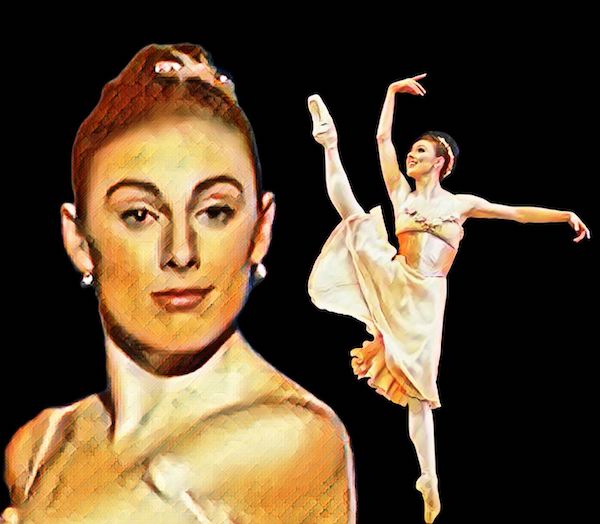
The Musicality That Sets Her Apart
Among Peck’s many gifts, her musicality is perhaps the most celebrated. George Balanchine, founder of the NYCB, famously said that “to see the music is to hear the dance” — and few interpreters embody that maxim as vividly as Peck. Critics point out that she doesn’t merely execute choreography; she seems to enter the music itself, becoming its living extension. Her phrasing is organic, her timing invisible, and audiences often describe the sensation of actually hearing the music through her movement. This rare gift places her in the lineage of greats like Suzanne Farrell, whose visceral connection to Stravinsky’s scores became legendary. Yet while Farrell radiated an ethereal, untouchable quality, Peck adds something earthier and vibrant, making her at once sophisticated and approachable.
Roles That Define Her Legend
Peck’s most celebrated roles at the NYCB showcase her versatility and daring. In Balanchine’s Theme and Variations, she tackles one of the greatest tests of stamina and precision in the classical canon, echoing the feat first immortalized by Alicia Alonso, and many consider Peck a definitive interpreter of the piece. In Tchaikovsky’s Piano Concerto No. 2, she projects grandeur and command, filling the stage with almost imperial authority. In Who Cares?, her jazzy musicality, spontaneity, and sparkle make it seem as though Gershwin had written the work just for her. She brings raw emotion to Juliet in Romeo and Juliet, and in La Sylphide, she embodies the lightness and mystery of the Romantic ballet. Equally remarkable are her performances in Swan Lake, The Sleeping Beauty, Coppélia, and Jewels, reinforcing her mastery of both the classical repertoire and Balanchine’s signature style.
Injuries and Triumph
Like every elite dancer, Peck has endured the brutal side of her profession. Her most serious injury — a neck injury — forced her offstage for more than a year, raising doubts about whether she would ever return. For a ballerina at the peak of her career, the risk of an abrupt ending was real. But Peck turned crisis into triumph: she came back with even greater vigor and depth, proving not only physical resilience but also emotional strength, elevating her from extraordinary dancer to symbol of survival. Each comeback became a performance in itself — a narrative of rebirth that captivated both fans and colleagues. Her journey is thus defined not only by memorable roles but also by her embodiment of the resilient artist: falling, rising, and shining brighter than before.
From Stage to Streaming
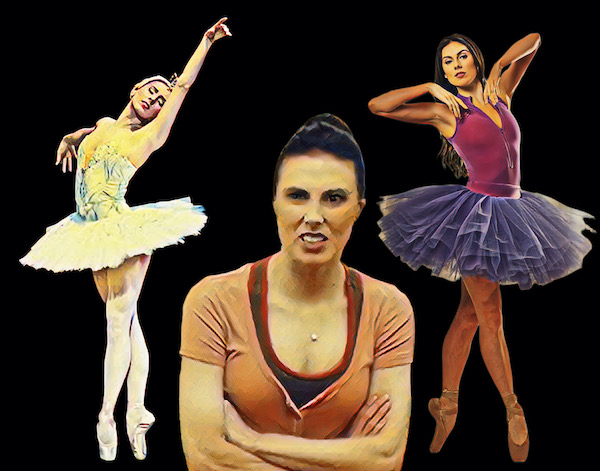
The stage could not contain her presence alone. Peck appeared in films like Donnie Darko and Catfish, as well as televised musicals such as Carousel. But in 2025, her career reached a new global platform with the Amazon series Étoile, created by Amy Sherman-Palladino and Daniel Palladino. Playing Eva Cullman, a ballerina in a fictional New York company, Peck lent the production undeniable authenticity while also becoming a recognizable face for audiences who had never stepped inside a ballet theater. This venture brought her closer to pop culture, cementing her image as a multifaceted artist with credibility both in the dance world and in mainstream entertainment.
A Social Media Star
If Farrell and Alonso were legends onstage, Peck also became a legend in the digital sphere. During the pandemic, her livestreamed ballet classes from her living room went viral, transforming her into a global sensation. Today, beyond Instagram, she has an influential presence on TikTok, where she shares rehearsal snippets, backstage moments, and short choreographies that garner millions of views. Young audiences — many of whom might never have cared about ballet — discovered in her a relatable, joyful gateway into an art form often considered intimidating. It was this audience that cemented her nickname, the “Taylor Swift of ballet”: an artist who, like Swift, knows how to tell stories, stir emotion, and create a community around herself.
Personal Life and the Irony of Fate
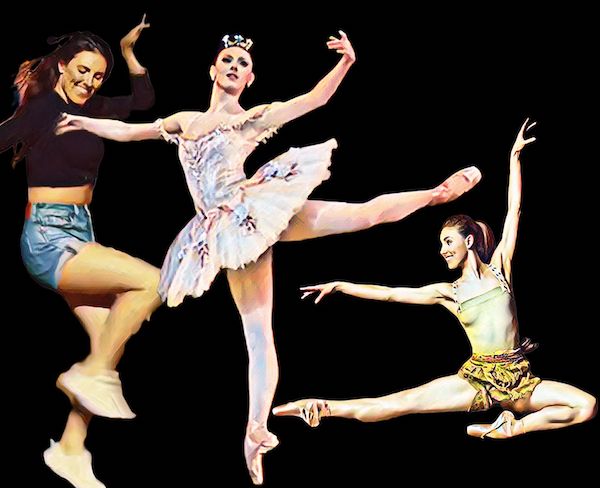
Peck’s personal life has also fascinated the public. She married fellow NYCB principal Robbie Fairchild in 2014, but the marriage ended in 2017. In September 2024, she announced her engagement to rising NYCB star Roman Mejia, and in July 2025, they were married. Yet this union carries a twist of almost novelistic irony: Roman is the son of Paul Mejia, a former dancer who was once married to none other than Suzanne Farrell, Balanchine’s greatest muse and one of the most iconic figures in NYCB history.
In other words, Peck — long seen as the spiritual heir to Farrell’s musical lineage — married into Farrell’s former family. The irony is irresistible: Peck, often compared to Farrell for her musical brilliance and place in NYCB tradition, now finds herself linked by marriage to Farrell’s personal history. It is as if the invisible threads of ballet’s past and present have woven together once more, uniting eras in a story rich with echoes and symbolism. This almost novelistic twist, layered onto her already luminous career, makes Peck not just an admired ballerina, but a figure of near-mythic destiny in American dance.
A Contemporary Legacy
Peck’s legacy is already clear, even as her career continues in full bloom. She has redefined what it means to be a principal dancer in the 21st century: not only a guardian of the classical repertoire, but also a cultural ambassador, a pop figure, and a creator of digital community. If Suzanne Farrell was Balanchine’s ethereal muse, and Alicia Alonso the heroine who carried Cuban ballet to the world, Tiler Peck is the dancer who transformed the Lincoln Center stage into the starting point of a global dialogue.

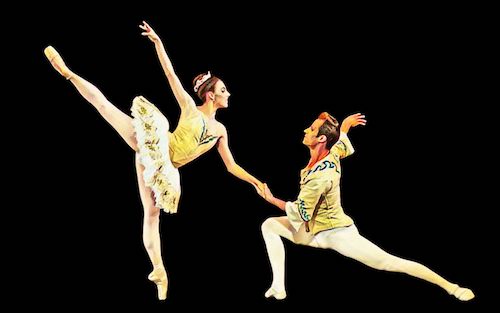
Ultimately, her importance lies in proving that ballet remains alive, vital, and irresistible — even in a world dominated by screens and digital streams. Just as Taylor Swift reshaped pop music, Tiler Peck has reshaped ballet: more than a performer, she is a cultural phenomenon, carrying her art beyond the stage and inspiring both traditional audiences and TikTok teens with equal intensity. And that may be why she is already inscribed as one of the greatest legends in the history of the New York City Ballet.
Descubra mais sobre
Assine para receber nossas notícias mais recentes por e-mail.
 miscelana.com