
I never imagined that the war for the unification of Hawaii would become such a compelling drama, but, once again, for fans of Shogun, this Apple series is the best content available while we wait to return to Japan. And today’s episode, for those who already know the historical spoilers, grows into the shape of a tragedy foretold, where the hero’s fate is revealed not only in politics but also in his private choices. Ka’iana (Jason Momoa) emerges as the most torn figure: the one who sees the danger before anyone else, yet will be marked as a traitor.
Week after week, Chief of War proves to be less a series of battles and more a tragic portrait of a clash between worlds. The episode, devastatingly titled “Day of Spilled Brains,” abandons any illusion of harmony between Hawaiian leaders and colonizers. Even more, it exposes the distrust that creeps between friends, relatives, allies, and lovers.

The central scene is the massacre orchestrated by Metcalfe, a resentful white man who turns political rejection into personal revenge, bombarding an innocent village with cannons filled with nails. The horror lies not only in the physical violence but also in the definitive collapse of trust: what seemed like dialogue or negotiation reveals itself to be a trap.
Kamehameha insists on upholding peace, clinging to an almost idealistic belief that alliances can be secured through diplomacy. But in the face of women and children being slaughtered, this position turns into weakness in the eyes of those around him. Ka’iana, who had long warned of the danger, now finds himself tragically vindicated—and, ironically, more isolated than ever. His family crumbles in silence: his wife, who once believed him dead, became involved with his brother, something he still does not know. Now, driven more by jealousy than loyalty to Kamehameha, she betrays Ka’iana after sensing his growing connection with Ka‘ahumanu—not yet a romance, but a palpable bond of vision and attraction. This personal intrigue paves the way for his public downfall: while Ka’iana fails to stop the white men and loses his standing, his private life shatters in secret.
For Kamehameha, the attack will appear to be a response to Ka’iana’s attempted strike, as if his boldness had provoked the massacre. But we, the audience, know he was right. Here lies the density of the drama: the clear-eyed hero is forced into the role of villain, and the question arises whether John Young—moving between both worlds—will be able to alter his fate or simply bear witness to the inevitable.
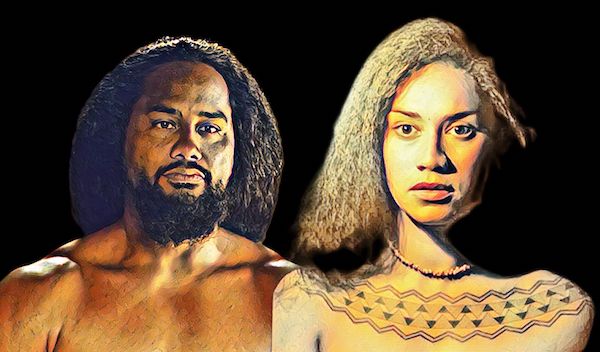
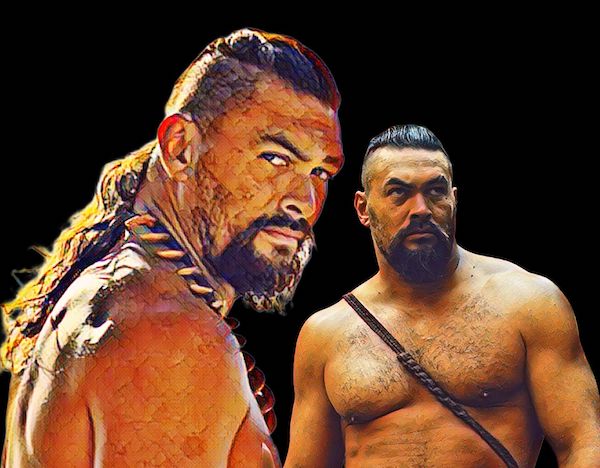
The death of Waine‘e—so painful because we had followed her story as a flicker of intimate hope—deepens the weight of this chapter. The grief is not hers alone, but ours, as it marks the moment of no return. The colonizers, embodied by Metcalfe, follow no code of honor, only the coldness of domination. Hence, the bitter truth that defines the episode: white people cannot be trusted. It is not merely a cry of anger, but the acknowledgment of a history destined to repeat itself, even as characters resist accepting it.
Visually, the series holds its rigor: cannons spewing fire against palm trees, bodies collapsing, the clash between natural beauty and human brutality. The choice to avoid romanticizing the conflict and instead portray it raw pulls Chief of War closer to the historical tragedy it truly represents. This is not empty entertainment, but an unsettling reminder that colonization has always been written in blood.
This episode leaves a taste of definitive rupture. The pact between peoples is no longer possible, and Kamehameha’s kingdom enters a new phase, stripped of the illusions that once sustained the dream of peace. For those unfamiliar with the outcome, the question remains whether hope can still be found. For those who know the history, sadness already lingers on the horizon—and each scene reinforces the heavy inevitability of Ka’iana’s fall.
Descubra mais sobre
Assine para receber nossas notícias mais recentes por e-mail.
 miscelana.com