
Alien: Earth has me completely fascinated, precisely because it refuses to just revisit the same old xenomorphs. Each episode reveals new forms of “aliens,” ranging from organic to technological, from biological nightmares to twisted inventions of the imagination. It feels like the series is expanding the grammar of terror Ridley Scott first introduced decades ago.
We begin with the classic xenomorphs, the biomechanical predators that stalk, hunt, and remind us why dark corridors are never safe. Here, they appear in all their terrifying variety: eggs, facehuggers, chestbursters, and full-grown adults. It’s a return to the roots, but the camera lingers with new angles and textures that make everything feel even more visceral.

Then come the hybrids, the Lost Boys created by the Prodigy Corporation. Technically, they’re not aliens, but in practice, they exist in that unsettling space of no longer being human yet not quite machine either. Wendy embodies this the most: a young hybrid who not only straddles both worlds but also hears and communicates in the frequency of the xenomorphs. Through her, the series builds the impossible bridge — between what terrifies us and our impulse to understand it.
But the diversity of monsters doesn’t stop there. We meet new organisms, like the lethal insect-like creatures that kill Tootles in episode 6, or the enigmatic “Eye”, an entity straight out of a Lovecraftian nightmare. Its confrontation with a xenomorph changes the hierarchy we thought we knew: suddenly, the perfect predator is no longer at the top of the chain. It’s disturbing to realize that even the xenomorphs might have natural enemies — and perhaps they aren’t the ultimate villains after all.
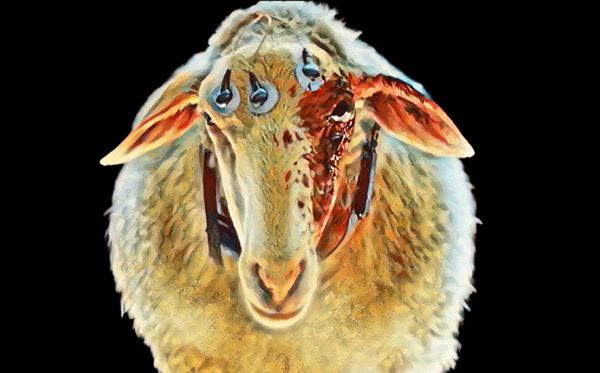
Running parallel are the humans and cyborgs, figures that challenge our very definition of humanity. Morrow, for instance, embodies this hybrid of flesh and machine, functioning almost like a “technological alien.” They expand the question that has always haunted the franchise: who are the real monsters — the creatures, or the ones who created them?

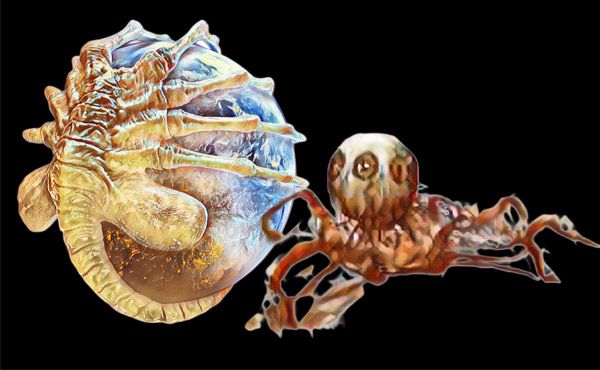
This mosaic of “aliens” — classic, hybrid, synthetic, and entirely new monstrosities — turns Alien: Earth into an almost archaeological exploration of fear. Each episode uncovers a new layer of the myth, while never abandoning that suffocating claustrophobia that defines Alien at its best.
And here’s the symbolic moment: Sigourney Weaver’s praise. The eternal Ripley, the face, voice, and courage of the franchise since 1979, spoke at the Toronto Festival and said she’s loving the show. Not just because it holds onto Alien’s DNA, but because it goes further: it raises questions about what our world will look like in a hundred years, about greed, about technology, about humanity. Weaver put it simply: “What I admire about it is the scope is so much more profound than just an Alien movie… It is about what world we will be living in in 100 years.” And then, with genuine astonishment: “I can’t believe I’m watching television.”
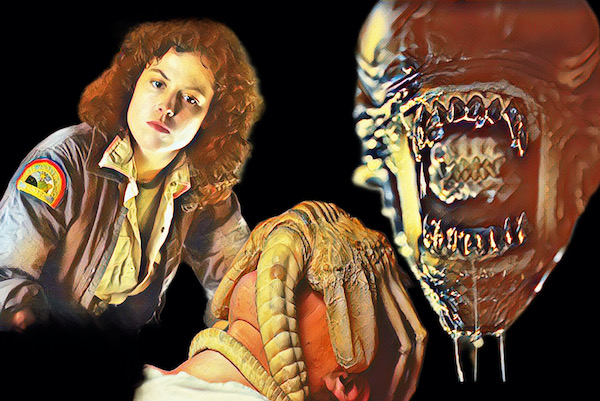
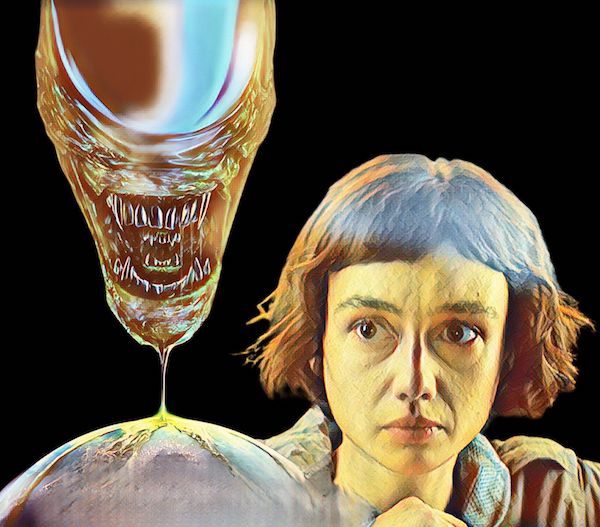
That has enormous weight. It’s not just an iconic actress endorsing the series — it’s Ripley herself recognizing that the franchise has found a new breath, one worthy of attention. For fans, it feels like the most legitimate seal of approval the show could ever receive.
And for me, it heightens the anticipation even more: so far, Disney has only released the currently aired episodes to the press. What comes next will be a surprise even to those covering the series closely. If we’ve already seen classic xenomorphs, vulnerable hybrids, brand-new monsters, and entities that rival them… imagination runs wild about what’s still to come.
Descubra mais sobre
Assine para receber nossas notícias mais recentes por e-mail.
 miscelana.com