
The penultimate episode of Chief of War does not allow a moment to breathe. We open on the shoreline, littered with bodies — the direct consequence of last week’s brutal attack. Among the dead is Waine’e, who died shielding her son, one of the most heart-wrenching losses of the season. The camera lingers just long enough to remind us: this is the true cost of war.
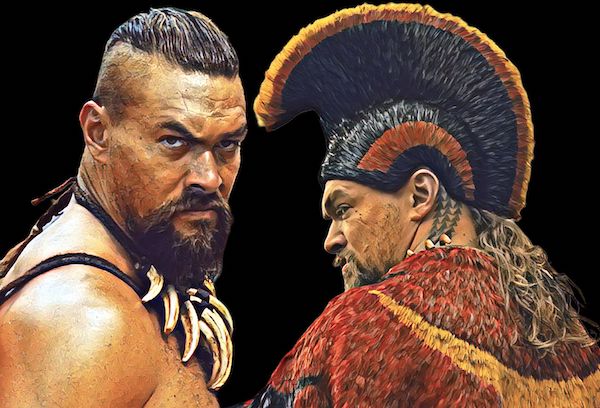
Kaʻiana, devastated, wastes no time blaming Kamehameha. With 248 dead, he sees him as responsible and seems ready to confront him head-on. Moku rushes to defend his chief, but Kaʻiana’s fury does not abate. He had warned everyone about the British and bitterly reminded them that no one listened.
It is Kaʻahumanu who stops him from doing something reckless. Torn between loyalty to her husband and discomfort with his methods, she becomes the conscience of the episode, the one person who can hold the fragile balance together.
A Rift Between Allies
Back at the village, Kaʻiana announces that he will return to Kaua’i, leaving Kamehameha to fight his own battles. This decision tears his own ranks apart: Nahi and Heke refuse to run, determined to stay and fight. The show paints Kaʻiana as a man more and more isolated — not only from Kamehameha but from those closest to him.
In the midst of this tension, Kupuohi finally steps back into her husband’s corner. After several episodes of friction, she apologizes and admits that he returned from war a changed man — haunted, darker, carrying invisible weight. This brief reconciliation gives Kaʻiana a flicker of humanity before tragedy strikes again.

Violence Without Mercy
Opunui, merciless and relentless, captures Nahi and Heke in the woods. Nahi sacrifices himself, buying Heke time to escape by beating Keoua’s face with his fists. But the price is fatal: Keoua crushes Nahi’s skull with a rock in one of the most brutal scenes of the series.
Heke is left alive to deliver the message to Kaʻiana, who rushes to retrieve Nahi’s body. His grief is overwhelming, and the series makes it clear: this might be the point of no return for Kaʻiana.
Kahekili’s Madness
Meanwhile, Kupule faces his own tragic arc. He watches as his father, Kahekili, drinks the toxin-laced water of the “nightmare fish,” triggering a violent rage. Kahekili smashes the bone structures of the village, consumed by hallucinations. Kupule decides to kill him, but is too late — Kahekili turns and stabs his own son in the gut. This scene drives home the idea that war is no longer just between kingdoms but inside families themselves.

Kamehameha’s Choice
Against this backdrop, Kamehameha decides to wage an all-out attack against Keoua. He insists he does not need Kaʻiana or his “red-mouthed weapons,” but Kaʻahumanu knows this is nothing more than pride speaking. In a decisive moment, she seeks out Kaʻiana and convinces him to fight — not for Kamehameha, but for Nahi, to honor his memory.
Kupuohi also visits Kamehameha and reminds him that he cannot win this war alone. This pushes him to let Kaʻiana train the warriors with firearms — the very weapons that could shift the balance of power.
The Gods Have Spoken
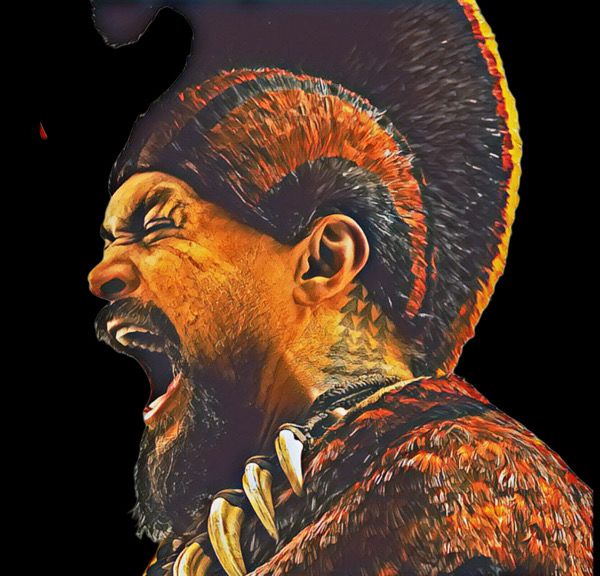
As if to mark the gravity of this moment, the nearby volcano rumbles and erupts. Everyone takes it as a sign that the gods speak for Keoua. But divine warning or not, destiny is sealed — war is inevitable.

A Sacred Threshold
“The Sacred Grove” is not just a title — it is where every character stands. A place where decisions are judged by the gods, where there is no turning back. This episode sets the stage for a finale that promises to be bloody and decisive.
Kaʻiana reaches the darkest point of his journey, Kamehameha stands on the edge of his own pride, and Kaʻahumanu bridges the gap between them. With two pivotal deaths — Nahi and Kupule — the episode reminds us that no one is safe, and the fate of Hawai’i will be written in blood.
Descubra mais sobre
Assine para receber nossas notícias mais recentes por e-mail.
 miscelana.com