
There’s something almost subversive about Alien: Earth choosing to close every episode with a cut of heavy or alternative rock. It’s not just a “cool touch” to please music fans: it’s a dramatic grammar. From classic heavy metal to grunge, through desert rock and ’90s angst, the series builds a sonic arc that follows the emotional escalation of its characters and its very narrative. It’s a gesture that shouts body, violence, masses, power, addiction, and transformation. And the most fascinating part is that this arc begins with Black Sabbath and ends with Pearl Jam — two historical moments in rock that, together, tell the story of a war between creators and creatures, and of the birth of a new, insurgent collective.

The first episode, “Neverland,” ends with Black Sabbath’s “Mob Rules,” from the Dio era. This song is not just a stylish pick — it was first used in the 1981 cult film Heavy Metal and carries the weight of a warning about the destructive power of mobs. The episode plants the seeds of collective hysteria and systematic exploitation that will drive the season. There’s something ironic about closing an episode called “Neverland,” evoking childhood and escape, with a song that warns that when the crowd is manipulated, innocence cannot be restored. The message is clear: we’re about to watch the triggering of a social and biological collapse — and the song works as a rallying anthem for this universe.
In “Mr. October,” the second episode, we hear Tool’s “Stinkfist.” Few bands are as perfect for representing discomfort and sensory shock. The lyrics are a metaphor for society’s numbness, the point at which we need ever more extreme stimuli just to feel anything. That’s exactly what the show depicts here: escalating violence, elite sadism, and the spectacle of pain. Maynard James Keenan has always insisted the image is symbolic, about addiction and emotional anesthesia rather than literal, which is a perfect match for an episode that plunges into graphic horror and reminds us we’re not just watching a survival story — we’re watching a study on how humanity consumes its own tragedy.


The third chapter, “Metamorphosis,” closes with Metallica’s “Wherever I May Roam.” This track is an ode to absolute freedom: the wanderer who belongs to no one, who takes the road as his wife and refuses to be tamed. It’s the moment in the season when plots branch out and characters break free, when Wendy and Joe undergo both physical and moral transformation. The electric sitar and Eastern-flavored intro add an almost mystical layer to an episode that is, essentially, about liberation — even when it comes with violence.
In episode four, “Observation,” the choice is Jane’s Addiction’s “Ocean Size,” and it’s a poetic one. Perry Farrell wrote the song as a wish to be “as big as the ocean,” to not be moved by anyone. The series at this point dives into questions of identity and agency: what is a person? Who controls whom? The song is a scream for autonomy on a cosmic scale, practically an existential manifesto. The ocean, immense and uncontrollable, becomes a metaphor for the hybrids who are beginning to take hold of their own destiny.

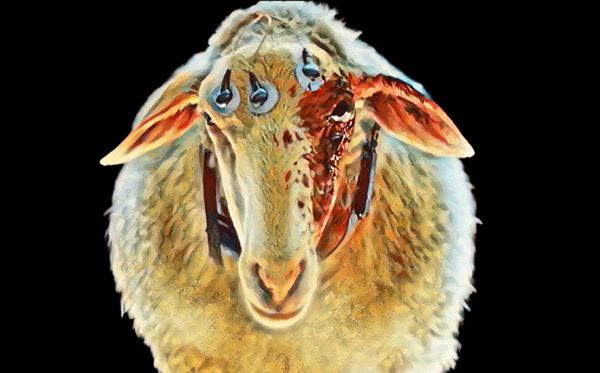
“In Space, No One…,” the fifth episode, closes with Smashing Pumpkins’ “Cherub Rock,” one of the great anthems against cultural hypocrisy. Billy Corgan wrote it as a critique of the machine that molds artists and narratives. The episode is one of the season’s most tense and cinematic, exposing the machinery behind the disaster we’re watching unfold. Here, everything is façade: corporations create marketable stories to cover up exploitation and carnage, and the song tears through this contradiction, pointing out that there’s always a price behind every official narrative.
The sixth chapter, “The Fly,” is punctuated by Godsmack’s “Keep Away,” and it’s impossible not to hear that chorus — “keep away” — as a direct warning to the characters and to us. It’s an episode where alliances break down, where proximity to certain powers — human or alien — becomes too dangerous. The song, widely read as a cry to sever ties with toxic relationships, reinforces the theme of survival through distance. Sometimes the only way out is to run.
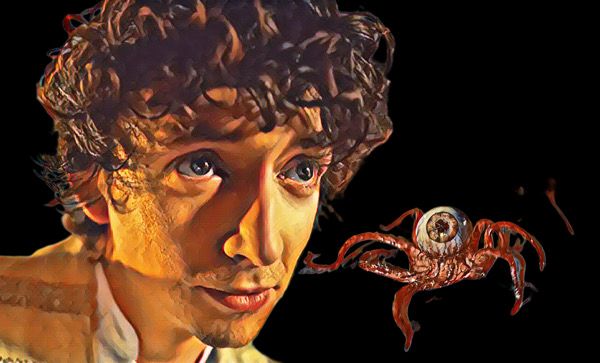

In the penultimate episode, “Emergence,” the funeral march is led by Queens of the Stone Age’s “Song for the Dead.” Josh Homme wrote it as a kind of high-energy funeral procession, a hymn for the dead that paradoxically is full of adrenaline. It’s the perfect track for a chapter that feels like preparation for the end: every decision seems to foreshadow tragedy, and the atmosphere is one of countdown. QOTSA’s choice is particularly clever because the band is known for using black humor and groove to turn morbidity into catharsis — and that’s exactly what we feel here.
And then we reach the grand finale, “The Real Monsters,” closed with Pearl Jam’s “Animal.” This is one of the most iconic tracks on Vs. (1993), and the album itself almost carried the title “Five Against One,” taken from the song’s chorus.

Eddie Vedder has always refused to fully explain the lyrics, leaving them open to interpretations ranging from media aversion to ritual violence to a portrait of collective rage. In terms of energy, it’s a short, urgent track, all clenched fist and attack mode. It’s the perfect fit for the moment Wendy takes control of Neverland, subjugates the creators, and flips the hierarchy: now the hybrids make the rules, with xenomorphs standing by.
The concentrated fury of “Animal” gives the final scene a tribal, vengeful pulse, turning the cliffhanger into a declaration of war. The series began with “Mob Rules,” a song about the crowd, and ends with a collective revolt anthem. Between those two points, we watched characters go from fearing being devoured to taking pleasure in devouring — metaphorically, and perhaps literally.
Alien: Earth’s music curation builds more than mood: it tells a parallel story, a sonic arc that starts with fear of the masses and ends with the creation of a new mass, insurgent and self-aware. Each episode is sealed with a musical commentary that expands the experience — not just of what we’ve seen, but of what’s coming next. By closing with Pearl Jam, the series reminds us this war is only beginning. And it does so with guitars, drumsticks, and a chorus that dares us to scream along.
Descubra mais sobre
Assine para receber nossas notícias mais recentes por e-mail.
 miscelana.com