
All of the carefully laid plans of the Guinness siblings unravel with the will left behind by the family patriarch.
The day after the cooperage fire begins with soot on the ground and gunpowder in the air. Sean Rafferty (James Norton), the man who puts out fires — and also lights a few — wants names. “Men of poor judgment” had allowed “men of poor character” into the brewery, and he knows that Guinness worker pride can be as effective as any club. His “request” for names, to be scrawled on the pristine white bathroom walls built “by the kindness” of Benjamin Guinness, is a blend of factory discipline, fear, and political pragmatism. A Catholic himself, Rafferty makes clear that the nascent IRA (here represented by the Irish Republican Brotherhood) has crossed the line. This is Dublin, 1868, where guilt, faith, and loyalty are as combustible as oak barrels.
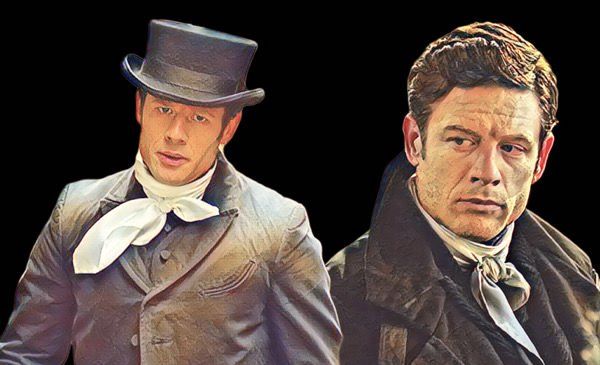
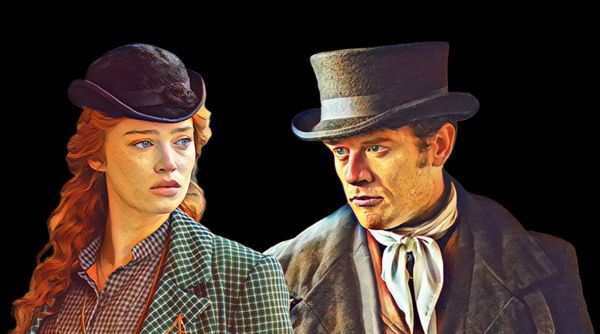
Meanwhile, the reading of Sir Benjamin’s will turns the board upside down. The sums are staggering (the equivalent of £162 million today), the land holdings greater than the youngest son ever imagined, and, most of all, the inheritance comes shackled with iron conditions: Arthur (Anthony Boyle) and Edward (Louis Partridge) inherit the brewery but are bound to the same yoke — if one abandons the business, he forfeits everything.
Anne (Emily Fairn), being married, receives little more than symbolic scraps; Benjamin Jr. (Fionn O’Shea), notorious for drinking and gambling, is left with a modest stipend so as “not to be tempted.” It is an arrangement that humiliates and divides — and, as a bonus, nullifies the deal Edward had tried to make before the will was read: buying out Arthur’s share to push for expansion into the United States. Immediate result? No one is happy. Anne swallows her pride, Edward is stunned, Arthur erupts into the street, and Benjamin heads to the pub — only to run into the worst possible man: Bonnie Champion (David Wilmot), king of Dublin’s gaming dens and keeper of dangerous secrets, who offers a deal in exchange for “truths” about Arthur.
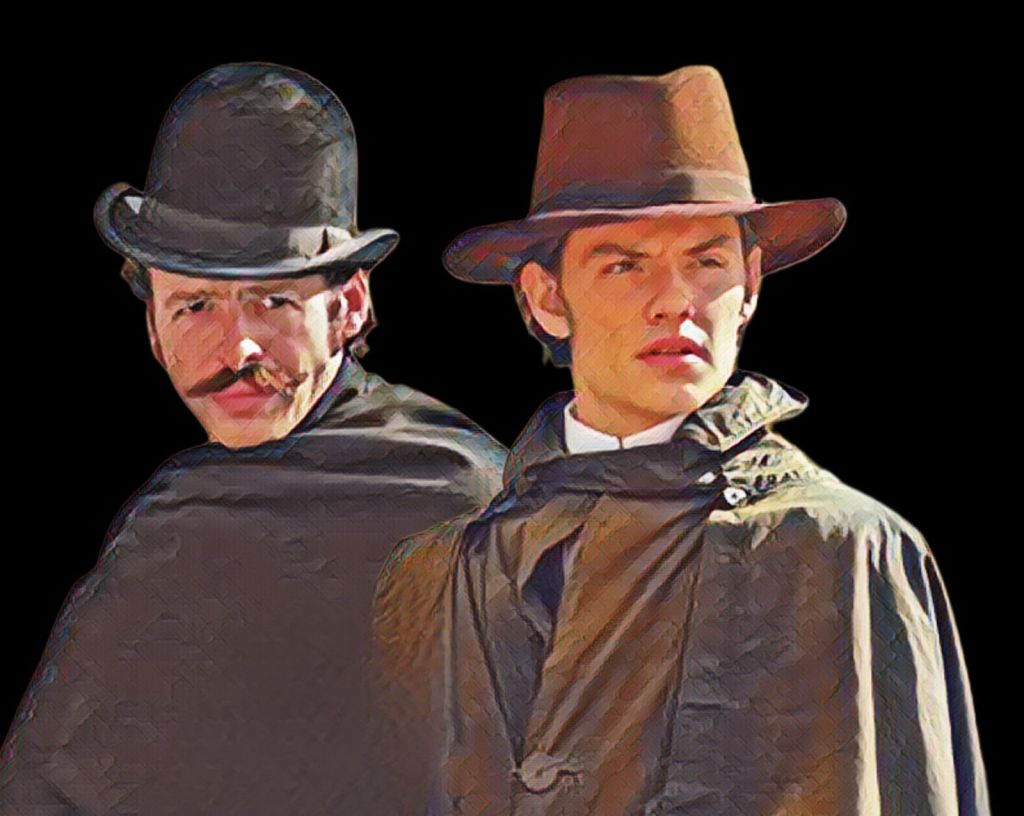
And secrets are plentiful here. Arthur is having an affair with Michael (Cassian Bilton), a London lawyer. There was once a plan to escape to London together; they would have killed it. Michael backs away, refusing to hide away in one of Arthur’s inherited houses — “for my health,” he says; for fear of ruin, we read between the lines. Anne, meanwhile, delivers the perfect diagnosis: “Our father managed to leave millions and still make us all miserable.” Edward does not entertain her complaint about being underestimated as a woman — there’s unspoken resentment between them (Rafferty’s name hovers in the silence), and in Anne, a moral and physical vertigo: violent fantasies of tearing pheasants apart, stripping down, shattering every veneer of being the “good daughter.” Anne is at the edge.
Even so, the family machine doesn’t stop. Edward, increasingly the intuitive CEO, assigns tasks: the brothers must marry — with surgical precision. For him, a “level-headed cousin” who will add to the business; for Arthur, a ruined countess who despises trade and will keep him away from management. Both know what Arthur’s “complication” means. The plan may be amoral on the surface, and yet, when honor has become a liability, it is all they have left.

While the polished drawing rooms decide marriage alliances, Rafferty chains suspects in the factory’s bowels and wrings out confessions with shouts and pain. One name leads him to Patrick Cochrane (Seamus O’Hara), pub arsonist and brother to Ellen (Niamh McCormack) — the cold strategist of the movement. Rafferty gives Patrick a letter for Ellen, threatens to burn down her house (a bluff, with a Gaelic note: “Next time”), and makes the game clear: stop sniffing after the Guinness secrets. Ellen reads it, registers it, and fires back: another letter, this one invoking “carnal knowledge.” She knows exactly where to press.
Edward then takes Arthur down into the brewery underworld — where Rafferty crushes him with the truth: Ellen has proof of his affairs with men; Bonnie knows (and sells) the same truth. More than a moral scandal, it’s a crime. Rafferty’s “solution”: pay Bonnie £5,000 and take a “balanced point of view” on Ireland’s future once he sits in Parliament. Arthur responds with fury and denial; Edward, after leaving, does what must be done: promises to pay, “work” on his brother politically, and if necessary, speak to Ellen himself. Before leaving, he stakes a claim: Anne is off-limits. Rafferty’s short smile suggests such warnings mean less to him than ashes in the wind.

This second episode sets every subplot into motion. If Arthur’s sexuality was only a whisper in the pilot, now it is the fulcrum of a threat that could destroy the Guinness name. Anne’s mental and physical state is visibly unraveling. Edward emerges as the true strategist — cold, calculating, and perhaps the most dangerous of them all.
The episode ends with the sense that the Guinness empire is more fragile than ever. Schemes, torture, blackmail, and gin cocktails keep the tension at a boil. Ellen and Edward may be natural enemies, but their magnetism is undeniable. As the credits roll, the question lingers over Dublin: how long before the Guinness heirs destroy everything they’re trying to save?
Descubra mais sobre
Assine para receber nossas notícias mais recentes por e-mail.
 miscelana.com