
I am a big admirer of fashion designers and set designers, because their art is one of the most powerful storytelling tools in film and television — especially when it comes to real-life stories, period dramas, or fantasy worlds. Whenever I can, I try to speak to the creative minds who quite literally dress characters. That’s why I’m so excited about the exhibition celebrating 60 years of iconic costumes at Cosprop, one of the most important costume houses in the world and, without exaggeration, an institution of British cinema and TV.
Before we dive into Cosprop itself, it’s worth remembering that the venue hosting this exhibition has its own avant-garde story. The Fashion and Textile Museum in Bermondsey was founded in 2003 by the legendary designer Zandra Rhodes as a living centre for fashion and textile design. Forget static displays or permanent collections — the museum is dedicated to temporary exhibitions, courses, and talks, functioning as a space for dialogue between the past, present, and future of fashion.
The building, designed by Mexican architect Ricardo Legorreta, is striking, with a façade of bold, colourful blocks that feels like a piece of pop art under the open sky. Hosting Costume Couture: Sixty Years of Cosprop feels only natural — it is a way to bring the public closer to the creative process that turns clothes into characters.
The Place Where Mr. Darcy Comes to Life
Visiting Cosprop is like stepping into a time machine for British film and TV. When journalist Sarah Bailey from The Guardian visited, she saw actor Jack Lowden trying on an 18th-century tailcoat to play Mr. Darcy in Netflix’s new adaptation of Pride and Prejudice, opposite Emma Corrin. That moment sums up what Cosprop is: a meeting point for talent, history, and imagination.
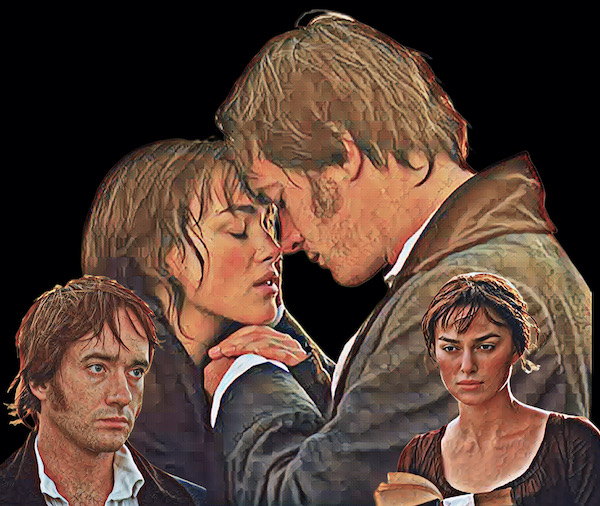

Helena Bonham Carter, Ralph Fiennes, Johnny Depp, Dame Judi Dench… the list of actors who have passed through there is endless. Every piece that leaves Cosprop is designed to be more than just a costume — it’s an extension of the narrative, something that helps the performer fully transform into the character.
A Story Born in the Era of Black-and-White TV
John Bright, now 85, was an actor before he became a costume designer. In the 1960s, he noticed that many costume houses were closing down, so he bought 400 outfits for a symbolic price — the seed that grew into today’s vast Cosprop collection.
It was also in the 1960s that television made the leap from black-and-white to colour — a detail that changed costume design forever. “Most of the clothes were grey, or sometimes a strange shade of green, to work for black-and-white broadcasts,” Bright recalls. With the arrival of colour TV, the palette had to be completely rethought. Cosprop was one of the pioneers in colour tests for British television.

Costumes That Became Icons
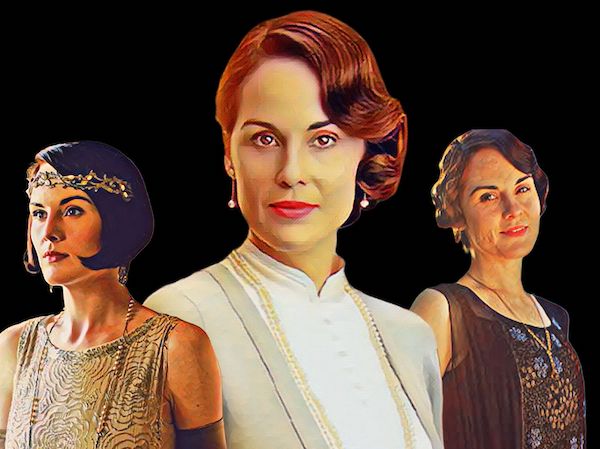
The exhibition brings together pieces that seem to leap straight off the screen. Alan Rickman’s iconic red military jacket in Sense and Sensibility (1995), Helena Bonham Carter’s dreamy white nightgown in A Room with a View (1985) — which earned Bright and Jenny Beavan both an Oscar and a Bafta — and Maggie Smith’s Downton Abbey gowns are all on display, preserved like works of art.
There is also an ethereal gown designed for Miss Havisham in the BBC’s 1967 production of Great Expectations, which wouldn’t look out of place on a Simone Rocha runway. It’s fascinating to see how these costumes have been reused over the decades — washed, adapted, artificially aged — and how they continue to tell stories.

Costume as the First Layer of Narrative
For Bright, dressing an actor begins with a conversation, not a sketch. In the fitting room, he discovers what works — and what the actor resists, like the infamous “poison green” shade many old-school theatre performers avoid. Dame Maggie Smith, for example, has disliked green ever since a traumatic experience in childhood.
This careful attention to detail, to discomfort, to the little quirks of actors, is what makes a costume disappear — in the best way. When the costume is perfect, Bright says, it becomes invisible and allows the character to shine.
Beyond Nostalgia
The exhibition is more than a sentimental journey. It reminds us of a time when cinema relied on historical research, on photos sent by post, on hands-on experimentation — not on Google Image searches or CGI-generated extras. Above all, it is a celebration of craftsmanship, of the manual labour that allows the audience to believe in what they see.

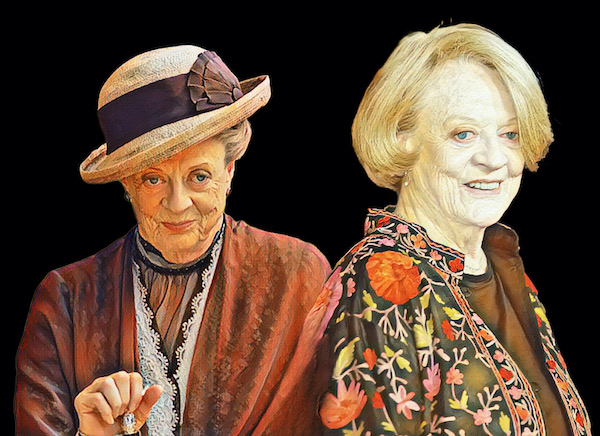
For fans of Jane Austen adaptations, Downton Abbey, and Merchant Ivory films, it is a rare chance to see up close the clothes that shaped the romantic British imagination. And for anyone who loves fashion, it is a masterclass in how storytelling can be sewn together, button by button.
An Invitation to Step Into This World
Costume Couture: Sixty Years of Cosprop is on view at the Fashion and Textile Museum in London. If you find yourself in the city in the coming months, add the exhibition to your itinerary: it’s a chance to walk through corridors filled with cinematic history and see up close the garments that defined characters and eras. An experience guaranteed to make any costume lover — or story lover — swoon.
Descubra mais sobre
Assine para receber nossas notícias mais recentes por e-mail.
 miscelana.com