
To understand the tense backdrop of House of Guinness, we must examine Fenianism, one of the most significant revolutionary movements in Irish history. Emerging in the second half of the 19th century, Fenianism was more than a group of conspirators: it was an idea — a promise of independence — that set Irish politics, imagination, and social relations on fire.
The name comes from Fianna Éireann, the legendary warrior bands of Celtic mythology. In practice, the Fenians were primarily represented by the Irish Republican Brotherhood (IRB), a secret society founded in 1858, dedicated to liberating Ireland from British rule through armed struggle.

Ideology and Methods
Fenianism called for something radical for its time: an independent, united Irish republic, with no ties to the British Crown. Unlike the Home Rule movement, which sought a negotiated path to autonomy, the Fenians believed that only an armed uprising could truly end British control.
They organized rebellions, assassination plots, and even cross-border operations — such as the Fenian Raids in Canada (1866–1871) — along with the 1867 Fenian Rising on Irish soil. Even though these efforts failed militarily, they kept the flame of radical nationalism alive. In the 1880s, the movement escalated to the infamous Dynamite Campaign, a series of bombings in London and other British cities that shocked society and deepened the climate of fear.
Crackdown and Consequences
The British response was harsh: mass arrests, executions, and new security laws. Yet Fenianism succeeded in keeping the independence question at the center of Irish politics, inspiring future generations. Without the Fenians, there may have been no Easter Rising of 1916 and no Irish War of Independence (1919–1921), which eventually led to the creation of the Irish Free State.

Seen from the Guinness Estate
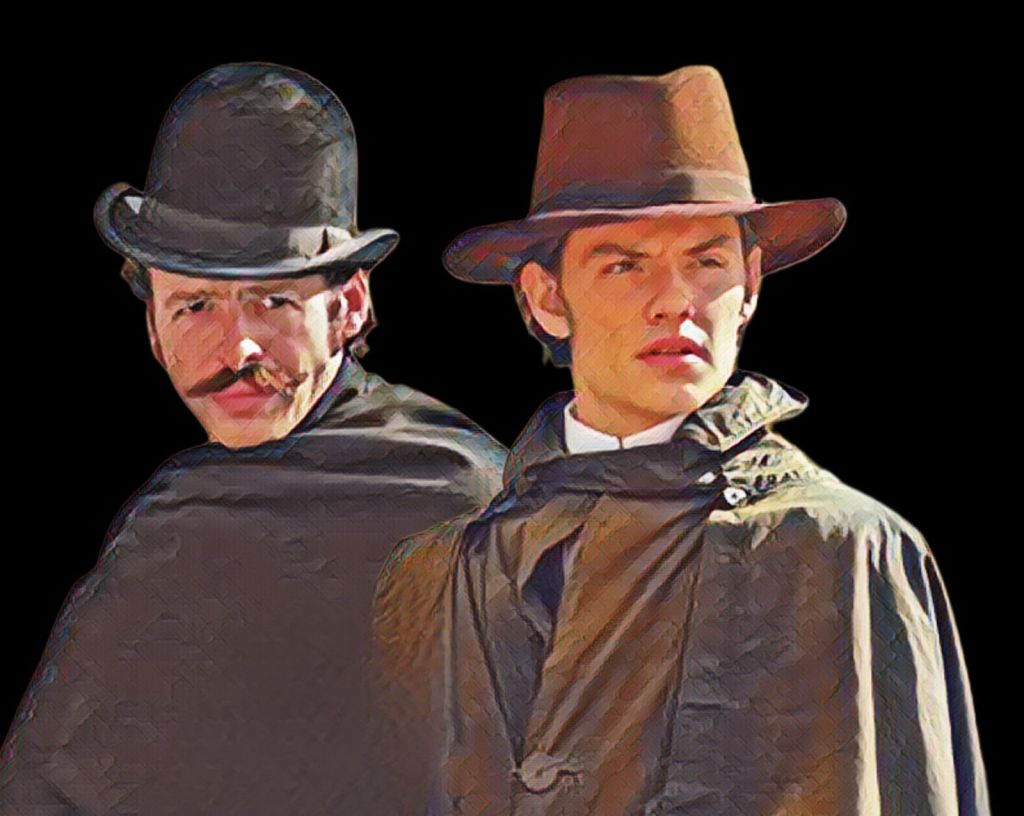
For families like the Guinnesses — wealthy, Protestant, and symbols of Anglo-Irish power — Fenianism represented an existential threat. House of Guinness captures this atmosphere vividly: assassination plots, threatening letters, and the constant feeling that the family’s world could collapse at any moment.
Arthur Guinness (Lord Ardilaun) really did receive a death threat in 1872, something the series incorporates to underline the climate of tension faced by industrialists seen as aligned with London. The show heightens this danger dramatically, ending its first season with an assassination attempt (where historically there was only a threat), leaving viewers wondering what comes next.
Why This Matters for the Story
House of Guinness isn’t just about wealth and inheritance — it’s about a family forced to take a stand as Ireland demands autonomy, social justice, and a redistribution of power. Fenianism is the shadow stalking the brewery and the estate, reminding viewers that Arthur and Edward’s decisions shape not only their family business but the future of the nation.
Historically, Fenianism did not simply vanish — it evolved and fueled the movements that would eventually bring Ireland to rebellion and partial independence. The Guinness family’s real-life involvement was more restrained than the series suggests: Arthur focused on philanthropy and reform rather than direct confrontation, but he was undeniably part of a class targeted by revolutionary anger.
That makes Fenianism a narrative thread with staying power. If House of Guinness continues into a second or third season, we can expect this tension to escalate, taking the characters closer to the Easter Rising and the political upheavals that reshaped Ireland. This keeps the drama from being just a family saga: it becomes a portrait of a country in transformation, where even the wealthiest families could not stand outside the tide of history.
Descubra mais sobre
Assine para receber nossas notícias mais recentes por e-mail.
 miscelana.com