
Sean “Diddy” Combs’s trial looked as though it would shake the very foundations of Hollywood and the music industry. For months, speculation built around lurid testimony, shocking allegations, and the promise that an entire culture of abuse and unchecked power would finally be exposed. Yet when the verdict came, the result was far narrower than anyone expected. Acquitted of the most serious charges — sex trafficking and racketeering — Diddy was convicted only of transporting individuals for the purpose of prostitution. The difference is stark: instead of decades in prison, he received 50 months, just over four years, part of which he has already served in pretrial detention.
The sense is that a case which could have illuminated systemic abuse ended up confined to Diddy’s personal orbit. Much was said about the infamous “freak-offs,” about coercion and violence, but prosecutors struggled to translate these accounts into airtight legal proof. In the end, the jury hesitated on the weightiest charges and settled on those that had the clearest statutory backing.
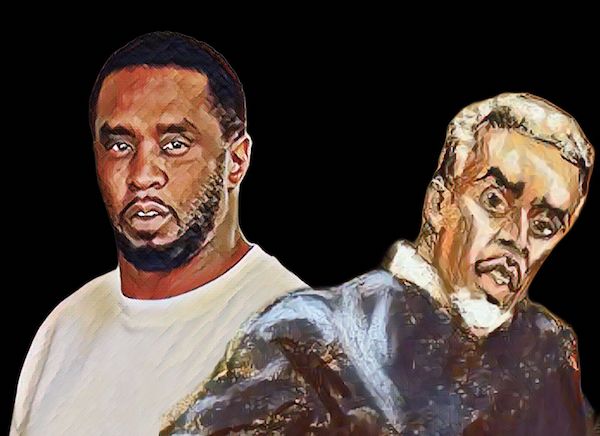
The sentence, therefore, reflects not only what Diddy did but also what the system could prove. The judge underscored that celebrity does not grant immunity, but federal guidelines left him little room to impose anything beyond a modest penalty. That is why headlines now stress “only” four years: because in the public imagination, the accusations called for more.
The gap between expectation and outcome becomes even more striking when set against recent precedents. Harvey Weinstein, for example, was sentenced to more than 20 years in prison for sexual assault, in a case that unveiled Hollywood’s machinery of silence and complicity. R. Kelly, another music icon, received 30 years for sex trafficking and exploitation of minors, his trial exposing decades of abuses protected by the music industry. In both cases, there was a sense of historical reckoning — untouchable figures finally held to account.
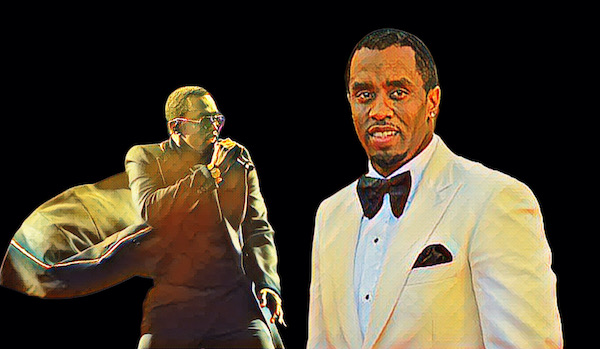
With Diddy, the feeling was different. The trial brought disturbing accusations into public view, but it did not achieve the same level of accountability. Part of that stems from the difficulty of securing irrefutable evidence; part from the jury’s reluctance to deliver exemplary convictions without the level of proof the law demands. Timing also played a role: this trial came after the peak of the #MeToo era, at a moment when public demand for seismic punishments had cooled compared to 2017–2018.
What remains is a verdict more symbolic than transformative. Diddy, once one of the most powerful names in rap, will serve time, pay fines, and forever carry the stain of conviction. But the larger promise — that an entire system of abuses might be dragged into the light — once again remained in the realm of frustrated expectations. For the music industry, and Hollywood more broadly, the Diddy trial will be remembered not as a revolution but as a reminder: even when the curtain rises, the show does not always deliver what it promised.
Descubra mais sobre
Assine para receber nossas notícias mais recentes por e-mail.
 miscelana.com