
The news that Diane Keaton’s life was cut short at 79 due to pneumonia is more than a heartbreaking loss — it’s a reminder of one of the world’s most common yet underestimated causes of death. Pneumonia is not incurable, nor inevitable, but certain factors — age, immunity, and timing — can mean the difference between recovery and tragedy.
There’s something almost anachronistic — and deeply unsettling — about realizing that, in the 21st century, someone can still die from pneumonia. We live surrounded by medical technology, antibiotics, vaccines, and instant information. And yet, millions of people lose their lives each year to an infection that, in theory, should be easily treatable. The reasons are complex—and profoundly revealing about how fragile human health still remains.

Pneumonia is deceptive because it disguises itself as a cold or flu. A cough, a fever, fatigue, body aches — symptoms that feel manageable at first. It’s during that small window of underestimation that the infection advances, quietly inflaming the lungs until breathing itself becomes a battle. The body fights back, but not always in time.
Medicine has evolved — but so have bacteria. Antibiotic resistance has become one of the greatest health threats of our time. When medications stop working, treatment slows down and complications multiply. Add to that the weakened immune systems of older adults and those with conditions like cancer, HIV, diabetes, or heart disease — and the impact of respiratory viruses such as influenza and COVID-19, which often develop into secondary pneumonias — and the danger becomes painfully clear.
Among the most vulnerable, the numbers are staggering: in patients aged 65 and older, the average hospital mortality rate from pneumonia ranges between 10% and 30%, rising to over 50% in severe cases. Worldwide, more than one million people aged 70 and above die every year from pneumonia-related complications. Statistics that shouldn’t exist in the modern era — yet persist.
In many cases, diagnosis comes too late. Limited access to healthcare, self-medication, or the assumption that it’s “just a flu” often leads to irreversible consequences. There are also social factors: people living in vulnerable conditions — malnourished, exposed to pollution, unvaccinated, or smokers — face a significantly higher risk of severe infection.
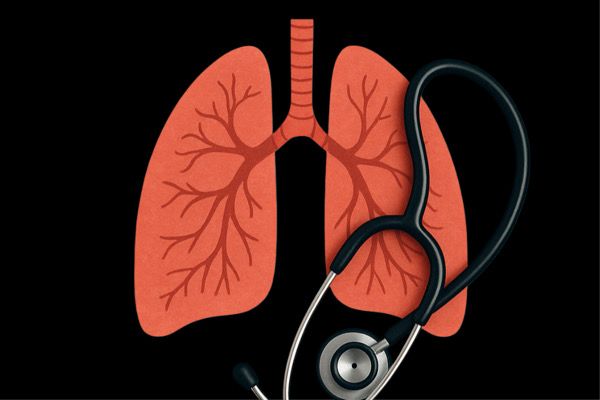
The symptoms are clear but easy to ignore: high fever, persistent cough with thick mucus, chest pain, shortness of breath, and exhaustion. In the elderly, the body reacts differently — sometimes without fever, showing only confusion or unusual drowsiness. In infants, rapid breathing or lack of appetite can be urgent red flags.
Treatment works — when it starts early. Antibiotics treat bacterial infections; antivirals help in specific cases; and supportive care — oxygen, fluids, rest — often determines whether a patient recovers or declines. The real key, however, lies in prevention.
The pneumococcal vaccine saves countless lives each year. Similarly, the flu and COVID-19 vaccines reduce the risk of respiratory infections that can develop into pneumonia. Add to that small, consistent habits — washing hands, avoiding smoking, maintaining a balanced diet, and seeking medical attention at the first sign of illness — and prevention becomes tangible.
More than a tragic headline, Diane Keaton’s passing serves as a collective wake-up call: fragility has no era. Even with all our medical advances, the simplest and most human act — care itself — remains the most essential. And perhaps true progress lies in something timeless: learning not to overlook the obvious.
Descubra mais sobre
Assine para receber nossas notícias mais recentes por e-mail.
 miscelana.com
1 comentário Adicione o seu