
In 2026, Highlander turns 40. What began as a dark fantasy became one of the most enduring cult films of the 1980s — not just for its myth of immortality, but for its aesthetic force, emotional depth, and the unforgettable presence of Queen, whose music transformed a tale of violence and loss into something eternal.
The Birth of a Legend
It all began with a college screenplay written by Gregory Widen, inspired by Ridley Scott’s The Duellists. He imagined the story of a man condemned to live forever, witnessing the passage of time and the death of everyone he ever loved. The idea evolved into a modern epic about immortal warriors who cross centuries, dueling one another until only one remains. Thus was born Connor MacLeod, the eternal from the Scottish Highlands — a man who would learn that living forever also means losing everything, including the very meaning of life itself.
That premise gave life to Connor MacLeod, the immortal from the Scottish Highlands, who learns that living forever also means losing the meaning of life itself.
Directed by Russell Mulcahy — a visionary who brought his experience from music videos to cinema — Highlander became a bold fusion of past and present, medieval landscapes and neon-lit New York, sword duels and existential reflection. The phrase “There can be only one” became a mantra. And beneath its action and spectacle, the film is, at its core, about love, loss, and the unbearable weight of eternity.
The Story
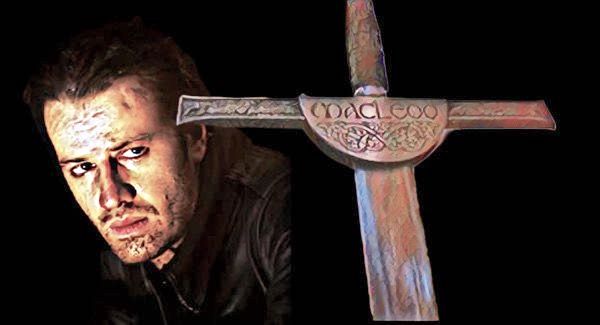
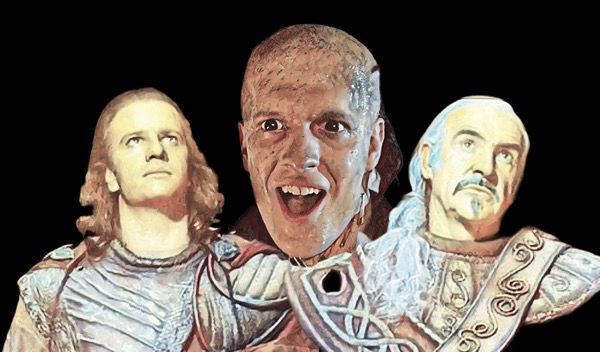
The film follows Connor MacLeod, a Highland warrior from the 16th century who mysteriously survives a mortal wound and is banished by his clan for “witchcraft.” Guided by his mentor Ramírez (Sean Connery), Connor learns that he is one of many immortals destined to battle through the ages until only one remains to claim “The Prize.”
By the 1980s, he lived in New York under the name Russell Nash, surrounded by centuries of secrets. His fiercest rival is Kurgan (Clancy Brown), a brutal, unrelenting warrior who hunts him across time. Their final confrontation, on the rooftop of the Silvercup Studios, remains one of the most iconic scenes in pop culture — an operatic blend of thunder, steel, and tragedy.
From Box Office Failure to Cult Immortality
When Highlander premiered in 1986, it wasn’t a hit. Audiences and critics were divided: was it a fantasy, a romance, a historical drama, or a rock opera? It was all of that — and that was precisely its magic.
The film found its real audience later, especially in Europe and on home video, where its mystique grew over time. What had once been dismissed as strange and over-the-top became cherished as bold, poetic, and utterly unique. Highlander survived its own death to become, fittingly, immortal.

Queen and the Soul of the Film
When Queen joined the project, each member fell in love with a different scene and composed accordingly. Brian May, moved by the sequence in which Connor watches his beloved grow old and die while he remains unchanged, wrote Who Wants to Live Forever — perhaps the most haunting ballad ever written about the price of eternity.
Freddie Mercury’s Princes of the Universe captured the film’s rebellious power, while A Kind of Magic turned its melancholy into triumph. Together, their music gave Highlander its emotional core — blending symphonic grandeur, rock energy, and deep sorrow.
Michael Kamen’s orchestral score completed the experience, elevating the movie from a stylized fantasy to a full-fledged myth. Without Queen, Highlander would still be striking — but it wouldn’t be transcendent.
A Cult That Wouldn’t Die
Over the decades, Highlander grew beyond its original film. It spawned sequels, a long-running TV series, animated projects, comics, and games. Not all follow-ups matched the brilliance of the first, but the legend endured.
“There can be only one” became an immortal phrase, quoted, parodied, and whispered in every corner of pop culture. The visual style — drenched in lightning, fog, and music-video energy — became a blueprint for an entire generation of fantasy and action filmmakers.
Today, Highlander is more than a movie. It’s a memory of the 1980s — excessive, passionate, ambitious, and strangely poetic.
The New Era: Henry Cavill and the Return of the Immortals
Forty years later, Highlander is rising again. Director Chad Stahelski — best known for the John Wick franchise — is leading a reboot that promises to honor the mythology of the original while bringing modern choreography and realism to the duels.
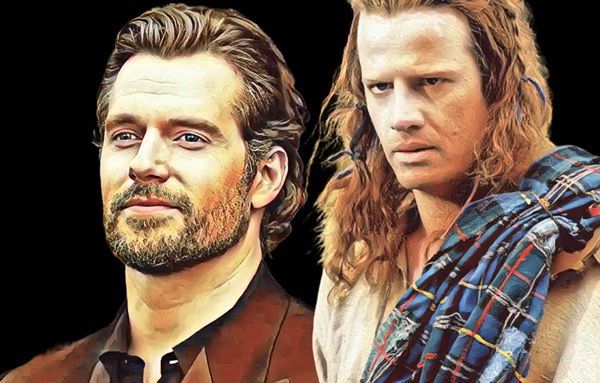
Henry Cavill has been cast as the new Connor MacLeod and has said the film is his main focus, calling it the most challenging role of his career. Though Cavill hasn’t spoken specifically about the soundtrack, Stahelski confirmed that Queen’s music will return “in a way audiences won’t expect.”
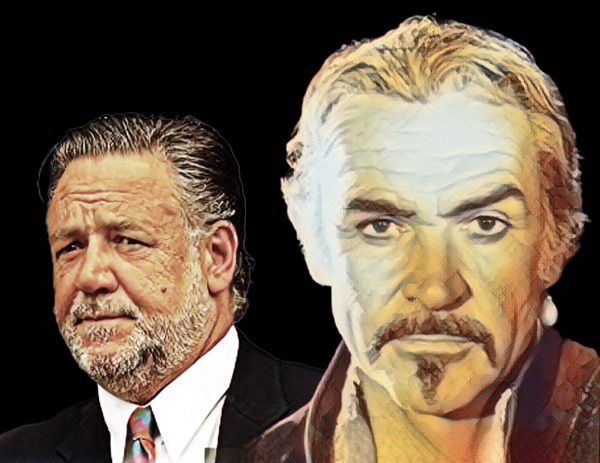
Production was delayed due to Cavill’s training injury, but filming is expected to begin in 2026 — the year of Highlander’s 40th anniversary — with a release planned for 2027. It’s an almost poetic coincidence: the immortal legend reborn just as it turns forty. Russell Crowe has already been announced as Ramírez, and Dave Bautista will play Kurgan. Fans are hoping that Clancy Brown and Christopher Lambert will be honored in some way — perhaps with a cameo appearance in the remake.

The Legacy
At its heart, Highlander is a film about time — about what remains when everything else fades. It’s a story that fuses fantasy and philosophy, sword and soul. Four decades later, it still asks the same haunting question that Freddie Mercury once sang: Who wants to live forever?
And perhaps the answer lies not in immortality, but in memory — in the stories, images, and songs that outlive us all. Because Highlander, like its hero, never truly dies. It just waits for the next generation to rediscover its magic.
Descubra mais sobre
Assine para receber nossas notícias mais recentes por e-mail.
 miscelana.com