
As I have already written about, winning an Oscar in Hollywood can mean everything. It’s not just the recognition of being the best — it’s the key to an elite circle that can negotiate higher salaries, better projects, and, of course, become even more famous. Not every winner is remembered or becomes legendary, but some legends and icons carved far more painful, slow paths to the podium — including, of course, Tom Cruise.
For anyone who followed his career, it’s impossible to forget the years when he was personally mentored by Paul Newman, both on and off screen. And this is where Oscar history bites back. Newman, one of the greatest actors of the 20th century, amassed no fewer than seven frustrating nominations before finally winning — and his first win was an Honorary Oscar in 1985, at a time when he already seemed condemned to the group of eternal snubs. The following year, as if fate had finally given in, he received the competitive Oscar for The Color of Money, directed by Scorsese. A late, nearly restorative recognition that echoed decades of dedication and quiet resentment.
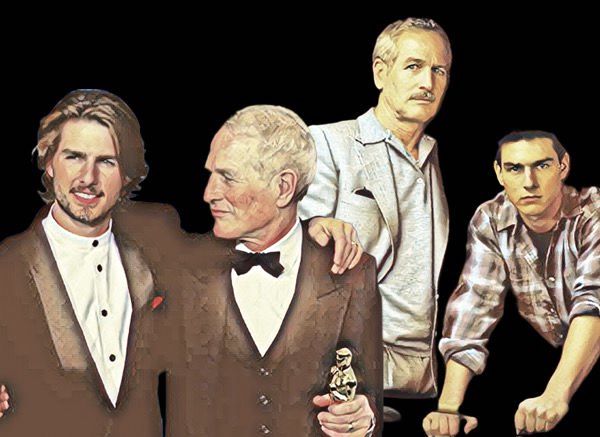
If you believe in destiny, it’s hard not to see a near-literary coincidence in Tom Cruise repeating — literally — the steps of his mentor exactly 40 years later: first the honorary award, then the expectation of a competitive one, in an arc that feels scripted with the emotional precision of a Hollywood melodrama.
But even more than echoing Newman’s path, it is Cary Grant who comes to mind. Grant, still a universal symbol of elegance, charm, and generosity, is perhaps the clearest example of how the Academy can fail its own myths. Nominated only a few times and overlooked many more, he received recognition only in 1970 — already retired — with an Honorary Oscar. A tardy solution for a career that helped shape the very language of popular cinema. People used to say that working with Grant elevated any actor to their best — almost everyone who stood beside him won an Oscar, except him.
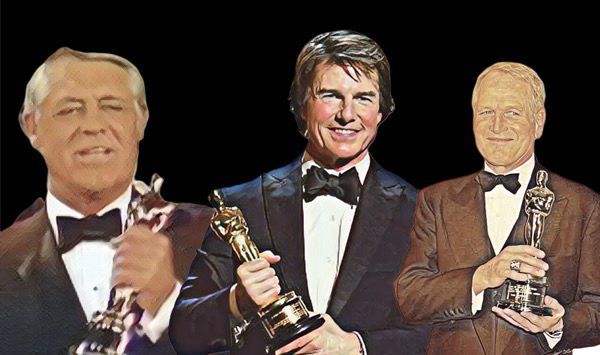
And Tom Cruise, by irony or fate, carries the same “karma”: two former partners won Oscars after breaking up with him, and nearly all his co-stars have been awarded or nominated, while he accumulated symbolic defeats. Seeing him step onto that stage to receive an Honorary Oscar is not about a single season or a single film — it is about repairing a gap in cinema history. Clear-eyed as he is, Cruise understands that this Oscar carries far more weight than winning for one specific performance. Today, he is the definition of the cinematic experience. How many can say that without sounding arrogant? Had he won earlier, it might not have meant the same thing.
And the truth is, Tom was never alone in this pursuit of recognition. He has always been transparent about caring about the Oscar — something Hollywood pretends not to see, because there is an etiquette, almost a code of honor, demanding that ambition be downplayed to preserve the illusion of “pure art.” Timothée Chalamet, by breaking that protocol and openly saying he wants to win — and sees nothing wrong with that — was immediately criticized and mocked by parts of the press and commentators, accused of being a “try-hard,” too ambitious, too blunt about what tradition says should remain unspoken. The reaction says more about Hollywood than it does about him.
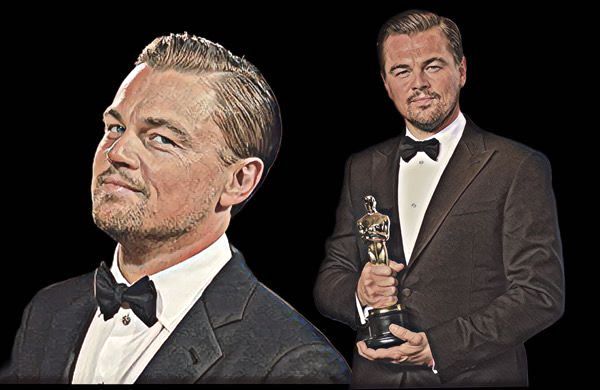
And if Cruise has been the target of irony, no one suffered more than Leonardo DiCaprio. More than 20 years passed between his first nomination and his win. While he collected losses, he became a global meme, the punchline of countless jokes, the symbol of Oscar injustice — paradoxically, while becoming one of the greatest actors of his generation. His redemption only came with The Revenant, directed by Alejandro González Iñárritu, in a victory that seemed to crown his persistence, his intensity, and also the public exhaustion of years of mockery. And yes, Leo won through the hands of the same director who is promising us that he’ll do the same for Cruise. We shall see!
In the end, Oscar history is never just about talent. It’s about timing, narrative, politics, reputation, regret, public pressure, and above all, mythology — the mythology Hollywood creates about itself. Watching Tom Cruise on that stage this year is witnessing decades of cinema take shape, and recognizing that some artists must wait longer, live longer, fall harder, and fight more to be seen.
And perhaps that is the uncomfortable truth: the Oscar has never been a prize for performance. It is a prize about permanence. About who stays, how they stay, and why they stay.
Descubra mais sobre
Assine para receber nossas notícias mais recentes por e-mail.
 miscelana.com