
Dolly Parton is, perhaps, one of the most complete figures in the American cultural imagination — and it is precisely this duality between the poor girl from the Appalachians and the global icon that has made her story resonate across generations. Born in 1946, the fourth of twelve children, Dolly grew up in a musical environment marked by scarcity, something she never hid. On the contrary, she turned her origins into poetic material, visual identity, and a narrative of endurance. It is in this contrast — the humble cabin and the sequined stage — that her artistic identity has always found strength.
With more than 3,000 songs written and dozens of albums released, Dolly is one of those rare cases in which the word “legend” does not sound like an exaggeration. From “Jolene” to “I Will Always Love You” — which took on an entirely new dimension through Whitney Houston’s rendition to “9 to 5,” she shaped American music in visceral ways. She also crossed effortlessly from country to pop, facing criticism at the time from purists who accused her of “selling out.” But Dolly always knew her essence lived in her voice, her songwriting, and her artistic intelligence — not in genre labels. Today, that transition is seen as pioneering.
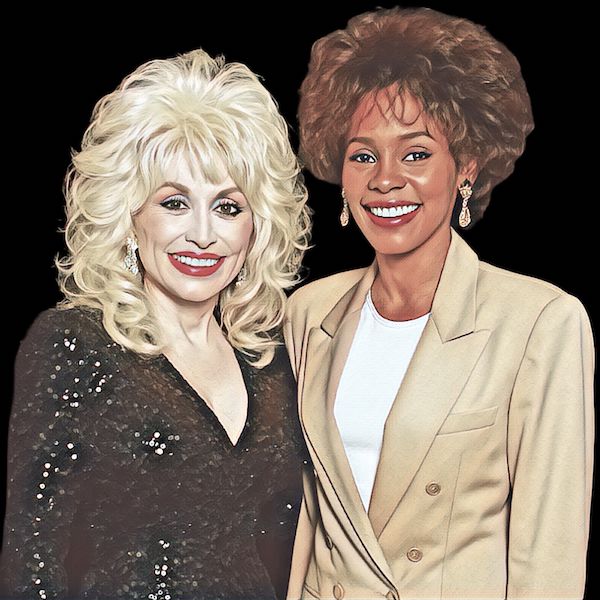
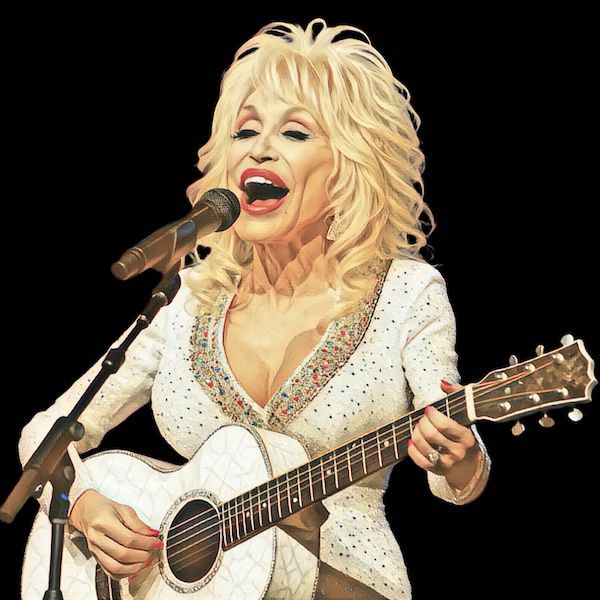
Despite her immaculate image, free of major scandals, Dolly faced her own lows. She was judged for her appearance, for her film choices, for not fitting the femininity people expected of her. And when she wrote Travelin’ Thru for Transamerica, she faced backlash and even threats simply for supporting a narrative involving transgender characters — something she has always done in her own unmistakable way: showing up where empathy asks, not where politics demands.
In recent months, however, the attention has turned to something deeper than public persona: her health. Beginning in September 2025, Dolly postponed the Las Vegas residency she was set to launch, citing “health challenges,” and has since made a few in-person appearances. She missed two major events — her induction into the International Association of Amusement Parks and Attractions Hall of Fame and the Governors Awards, where she was set to receive the Jean Hersholt Humanitarian Award — sending recorded messages instead. In both, she appeared elegant and cheerful, yet transparent about the need to slow down: “I’ve been dealing with some health challenges,” she said, “and my doctors have asked me to take it easy for a little while.”
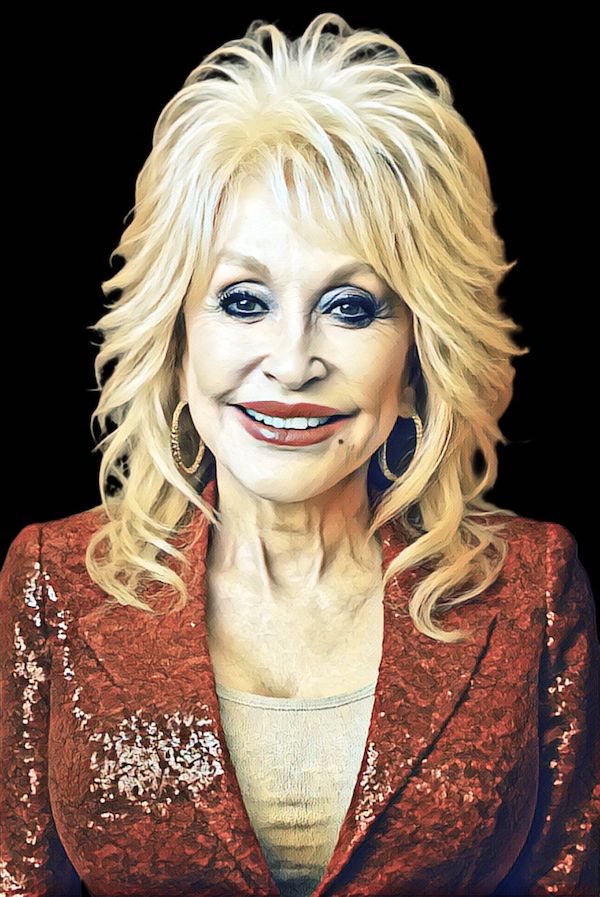
The moment demanded even greater clarity when her sister, Freida, posted online that she had been “up all night praying for Dolly,” sparking immediate panic. The singer promptly reappeared on social media, fully glam, explaining that she was “okay” and dealing only with a series of tests, adjustments, and small procedures she had put off since the death of her husband, Carl Dean, in March. Grief, she admitted, had led her to neglect her own care — and her body is now collecting that debt. The solution is far less dramatic than rumors suggested: staying home, remaining close to her medical team, and avoiding exhausting schedules.
The artist who has collected Grammys, lifetime achievement honors, sales records, and whose Imagination Library has transformed millions of children’s lives remains active and creative — but recalibrating her pace for the first time in a long while. If there is one constant throughout her story, it is that Dolly has never let vulnerability dim her light. On the contrary, she turns every difficult chapter into yet another testament to the same strength, humor, and generosity that have carried her through six decades of her career. Even now, when her body asks for a pause, her voice remains steady. She only needs time. Never farewells.
Descubra mais sobre
Assine para receber nossas notícias mais recentes por e-mail.
 miscelana.com