
It is a universal and age-old truth that ending a series is always a challenge. In general, whether due to premature nostalgia or inflated expectations, with rare exceptions like Succession, a finale tends to evoke a certain frustration. In the case of Billy the Kid, which is based on a true story, it’s not as if there were major surprises to expect — but once Michael Hirst chose to embrace the urban legend that Billy was not killed by Pat Garrett and survived anonymously for many years, many threads were left hanging. Even more so because that decision came only two episodes before the end.
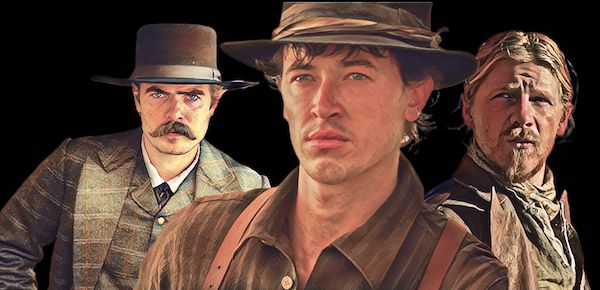
One of the creative “liberties” ended up becoming an even more predictable trap than Billy’s “death” itself: from a sensitive antihero, the gunslinger was transformed into a cruel, vengeful killer alongside his childhood friend, Jesse Evans. In episode 7, we saw them hunt down and finally kill Garrett, significantly altering the dates and facts of what “really” happened (the former sheriff was indeed murdered, but many years later). With him gone, the show’s great villain remained: the governor of New Mexico, Thomas Catron.
Jesse, who feels like a brother to Billy, will follow him anywhere — except on the suicidal mission to eliminate the corrupt politician. So the episode opens with Billy the Kid alone, trying to figure out how to carry out his final task. And he has two very personal reasons for insisting: Catron is the one who placed an astronomical bounty on his capture or death (currently $75,000), and he is the one who killed Ash Upson, the journalist who was about to expose his crimes in season 1. But without Jesse, Billy needs help to get close to Catron.
Unsurprisingly — though it’s an important final-season twist — that help comes tortuously through the only person Catron loves: his daughter, Emily. She lives with the grief and certainty — confirmed by Garrett — that her father not only ordered the “suicide” of her husband but may have personally killed his son-in-law. Even so, Emily keeps up the façade of the dutiful daughter while waiting for the right moment to take her own revenge. She knows how to shoot, but she is not a killer. When Billy appears, she receives him in secret and makes a pact to help him.

It’s a shame that this unlikely friendship between the two lasted only a single episode, because there is a calmness and an alignment between two societal outcasts that could have been further explored. Billy continues his solitary work until — suddenly, and silently — Jesse returns.
The chemistry between Tom Blyth and Daniel Webber anchors an episode with few dialogues and much shared experience. It was with Jesse that Billy found survival and his first chosen family when his real one fell to the Old West — and vice versa. They are soul brothers, something Jesse, an emotional person now, revisits when he explains that during this journey, he re-evaluated the hatred he felt toward his father, the man he blamed for the life of crime and constant escape he led. Billy and Jesse are barely in their early twenties, but they carry themselves as if they were fifty. They are tired, worn, and desperate to change. The losses they’ve endured give them a shared determination to tie up loose ends — and only one remains: killing Catron.
The rest of the episode — with major action sequences and beautifully choreographed gunfights — reinforces what I’ve been saying for years: Billy the Kid is a great series that went unnoticed by the broader audience.
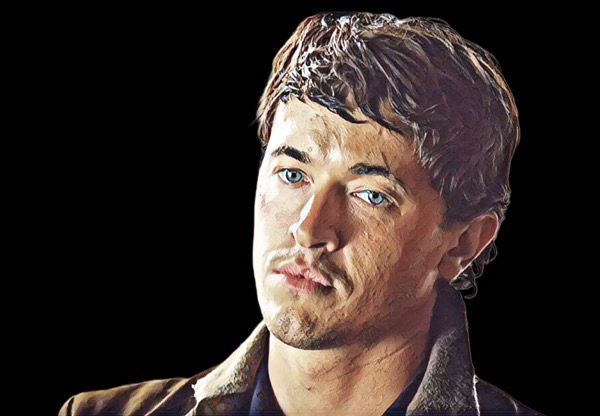

Billy and Jesse try to reach Catron, who is traveling across the state on a campaign tour he hopes will take him to the U.S. presidency. Emily helps by sharing her father’s itinerary, and when everything is perfectly aligned, Jesse ends up being Jesse: after spending a few hours with a prostitute, he ignores Billy’s warning not to expose himself or be recognized. The two must flee after being spotted — another incredible action scene — and Billy doesn’t even need to scold him. They don’t have to exchange a single word: Jesse understands this mission as his last.
Their final chance is to strike Catron in Albuquerque, and for that, they need Emily one more time. She agrees to fulfill her father’s wish — to have her on stage praising him and strengthening his campaign — ensuring he won’t cancel any rallies. It will be the last chance for the two gunslingers, but they know they are expected and that surviving is unlikely.
The sequence is tense and brilliant: Emily notices the movement of her father’s allies and betrays him without remorse, without a word, almost without a single glance. Billy kills Catron (a fictional event, since the governor did not die this way) and, during their escape, Jesse is mortally wounded. Billy risks everything to try to save him, but this is where their farewell happens: Jesse wants to end the cycle, and Billy will only have a chance to survive if his friend covers for him — one last time. And that’s exactly what happens. Jesse sacrifices himself, and Billy escapes. Jesse is the title’s redeemed.
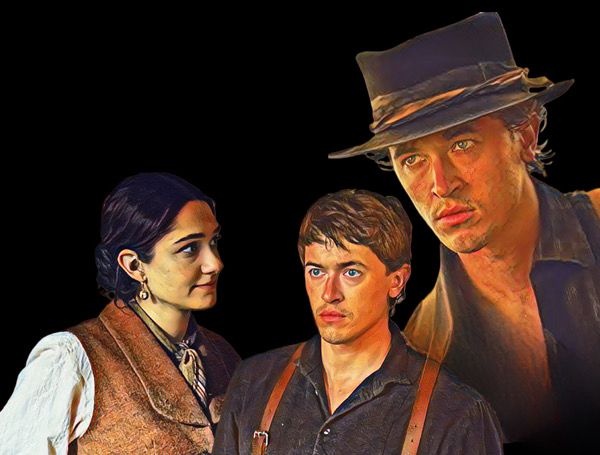
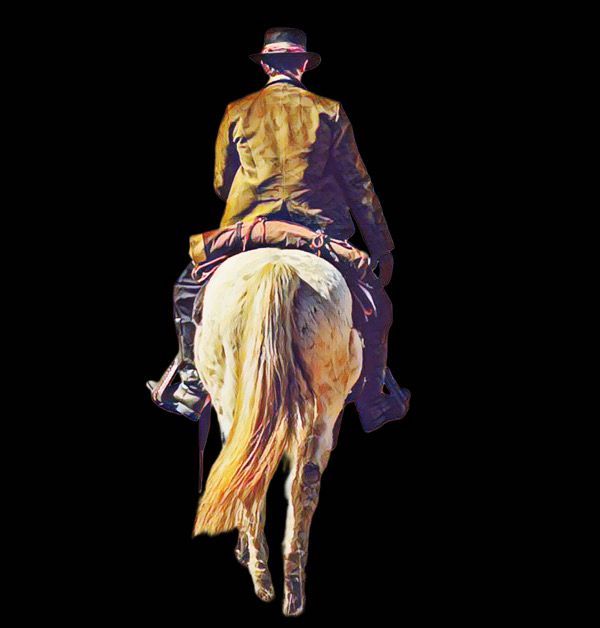
Dulcinéia sees her husband arrive and embraces him: it’s over, they’re free. With their daughter in his arms, Billy makes plans to leave. He will no longer be Billy, but William, and with his wife and child, he will start a new life in Mexico. We watch the three of them head into the sunlight, closing a long and sad journey of pain and death with the hope of renewal, peace, and love.
It was a romantic, beautiful, and bittersweet ending, because Billy’s journey hardened him and left him without the people who helped him get that far. Hirst managed to tell a beautiful story, powered by strong performances from his young cast. His next stop is returning to the Viking universe, but every bullet in the Old West was worth it. It was a lovely reimagining of the legend of Billy the Kid.
Descubra mais sobre
Assine para receber nossas notícias mais recentes por e-mail.
 miscelana.com