
If Stranger Things had been born on HBO, as the Duffer brothers once dreamed, the history of television might look very different today. But it was on Netflix that the series didn’t just find a home — it transformed the platform itself into a studio, a network, an industrial powerhouse, and, for a long time, a synonym for global success. It permanently changed the way we watch TV and movies. But that’s another story.
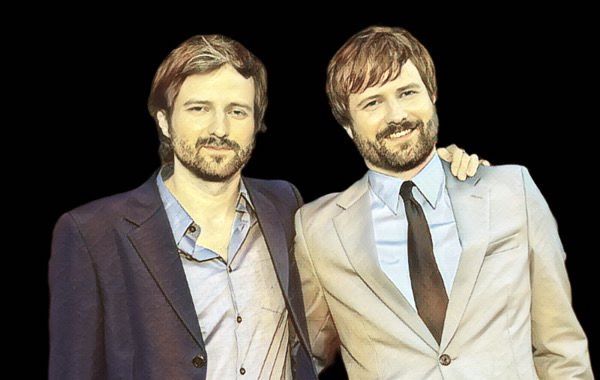
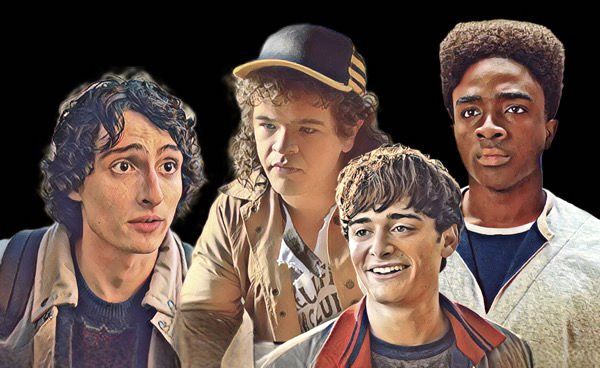
Betting on ’80s nostalgia, kids on bicycles, slimy monsters, and distorted science was a bold move — and a deeply authentic one. The Duffers invested in the universe they knew and loved. The irony is delicious: their main reference was always the perverse universe of Stephen King, especially It, now once again at the center of pop culture with Welcome to Derry. But the Duffers were not a brand. They were rejected. So was their proposal that mixed childhood, telepathy, monsters, guilt, and that very kingian idea that real horror is almost always born at home.
Many rushed to compare Stranger Things to The Goonies. Few immediately saw It. But what the series proved, from 2016 onward, is the difference between inspiration and imitation. Hawkins is infinitely more complex than any label would suggest. And, above all, far more original.


When the series exploded, I resisted. I don’t like gore, monsters, or cruel scientists. I’m not a King fan, nor a Shyamalan fan. Fantastical explanations for very real horrors have always bothered me. The irony? I was completely immersed in the white walkers and dragons of Game of Thrones. Incoherent, like everyone else. I went to Hawkins with reservations — and, against all odds, I fell in love.
Maybe because I actually lived through those years — 1983, 1987. I did an exchange program, experienced the rhythm of a small American town. The nostalgia is almost irresistible: the soundtrack, the wardrobe, the texture of the light, the rhythm of the afternoons. Curiously, the story itself has always interested me less. I find Vecna’s villainy inconsequential, excessive, and almost mechanical. I’ve said it before, and I’ll say it again: I hate grotesqueness. And the series prides itself on parading gooey monsters as if that were an aesthetic virtue. But the core group of friends is undeniable. Their forced coming-of-age through trauma, survival, and loss — for me, that is the true heart of the show.

Over the years, Stranger Things became an industrial phenomenon: plays, musicals, books, merch, events. I won’t follow even half of that. The cast grew up before our eyes — some are already adults, some are even parents — and it was necessary to wrap up the story. It’s no longer believable to pretend they are still 14. And here Netflix stumbles on its own dogma: binge as an absolute formula. The farewell arrives in installments, heavily promoted, heavily anticipated. The good part? Expectations are not disappointed. The mediocre part? Seeing only half of it creates a strange sense of suspension, of emotional interruption.
Recaps multiply, “what you need to remember” lists flood the internet, but nothing is enough to fully reorganize the tangled web the series has become. There are too many loose ends, too many characters — and that creates distance. Why choose Holly as Vecna’s target? If they don’t want to kill protagonists, why condemn Max to blindness and a coma? That’s no longer drama — it’s sadism. Will Hopper finally die? What does Joyce do now? And what a waste it is not to give Winona Ryder greater dramatic weight. Love triangles, fights, narrative noise… all orbit a very simple core plot: Vecna wants to impose his world of pain onto ours. I confess: that puts me to sleep.
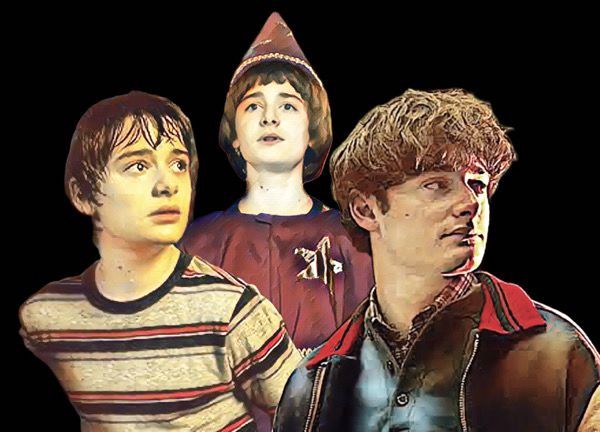

And yet there are truly beautiful arcs being drawn. Will Byers began as an absence, as a wound. He returned traumatized, grew up in silence, and was confused about his identity. Now he reveals powers comparable to Eleven’s — everything points to him as a tragic hero. That is genuinely compelling. Steve, who started as a villain and became the most generous character on the show, completes one of the most beautiful arcs in recent television. And Dustin, often underestimated, may well be the most sensitive and intelligent of the group.
In the end, the inevitable question remains: Is Stranger Things living up to its own hype? Yes, it is. And this farewell has every chance of being as grand as its beginning once was.
Did you learn your lesson, HBO?
Descubra mais sobre
Assine para receber nossas notícias mais recentes por e-mail.
 miscelana.com