
Reposted as an homage to Jane Austen’s 250th anniversary
Jane Austen’s protagonists are not typical heroines. They are not idealized for their looks or their behavior. They’re not born with the promise of the perfect marriage. They don’t follow the mold of the suffering woman who is rewarded for her heavenly beauty. They make mistakes, misjudge others, fall in love at the wrong time, trust the wrong people, hesitate, doubt, and grow. And perhaps because of all that, they continue to captivate readers more than two centuries later.
Each of these characters carries within her the delicacy and strength with which Austen wove her stories: women living in a world that allows them very little, yet still finding ways to choose. Even if that choice means refusing the “right” man. Even if it means years of solitude, of watching, of waiting. Even if no one around them recognizes the strength of what they’re doing.
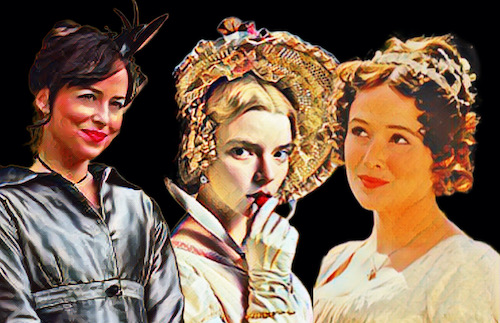
The most iconic case is, of course, Elizabeth Bennet of Pride and Prejudice, likely the most beloved of them all. Elizabeth is smart, witty, and bold in her own way. She finds humor in the world around her and does not hide her opinions—even when that makes her appear improper. That’s why Darcy, the proudest man in the book, falls for her. Not because she’s the prettiest or the most submissive, but because, without trying to please, she shows that she is not for sale.
But there are other equally striking figures. Anne Elliot, in Persuasion, is perhaps the most quietly heartbreaking. A woman who once had a chance at love and was persuaded to give it up. Who fades before her time. Who spends years in silence, diminished, until she finds again not just the man she lost, but herself. Anne’s transformation isn’t dramatic. It’s built through small acts of self-respect. Austen seems to be saying that love can return if you still know who you are.


Emma Woodhouse, on the other hand, starts where many women might want to end up: rich, beautiful, admired. But she is impulsive, arrogant, and often wrong. And maybe that’s why she’s one of the most human. Her blindness is gently but firmly corrected, and Austen gives her space to grow. Emma is not punished for having power—she is allowed to learn how to use it with grace.
Austen builds these women with moral realism, not romantic idealization. When there is beauty, it’s measured. When there is wealth, it comes with traps. When there is love, it must be earned. Marianne Dashwood is beautiful, romantic, and emotional. But it’s precisely her unguarded passion that leads to heartbreak. Her ending is often read as a resignation: marrying a man she respects more than loves. But it can also be read as maturity: choosing peace after the storm.


Then there’s Fanny Price, perhaps Austen’s most divisive heroine. Fanny is quiet, frail, and overlooked. But within her lies an unshakable moral compass. When everyone expects her to accept Henry Crawford, she refuses. Not out of convention, but because she sees what others don’t: that charm and temporary reform do not equal integrity. Austen rewards her not with glamour, but with quiet vindication.
All these heroines have more in common than not. None of them has full autonomy. All face limitations imposed by class, family, and reputation. But all, in their own way, choose not to betray themselves. Some take longer to grow—Emma most of all. Others carry a sense of justice from the beginning, like Elinor Dashwood. Catherine Morland, in Northanger Abbey, is lighter and funnier—a naïve girl who thinks she’s living in a gothic novel. But even she learns to tell fantasy from reality and to trust her own judgment.
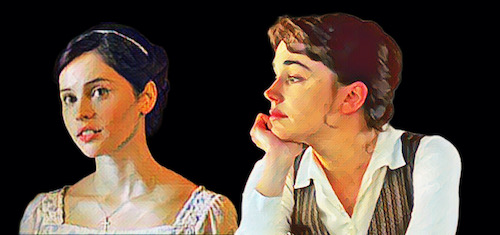
Austen’s male characters provide a mirror. Some grow alongside the heroines—Darcy, Knightley, and Wentworth. Others only pretend to be charming—Wickham, Willoughby, Henry Crawford. The worthy ones learn, apologize, listen. The false ones flatter, seduce, and vanish. It’s no accident that in every happy ending, love only happens after the man sees the heroine clearly—after he respects her for her mind and heart.
That respect is perhaps the clearest way Austen defends her heroines. Even when she shows their flaws, she never mocks them. She lets them make mistakes but also redeem themselves. She lets them dream, but also reckon with disappointment. And she never condemns them for wanting. Desire is not the problem—it’s selfishness and self-deception that Austen critiques.

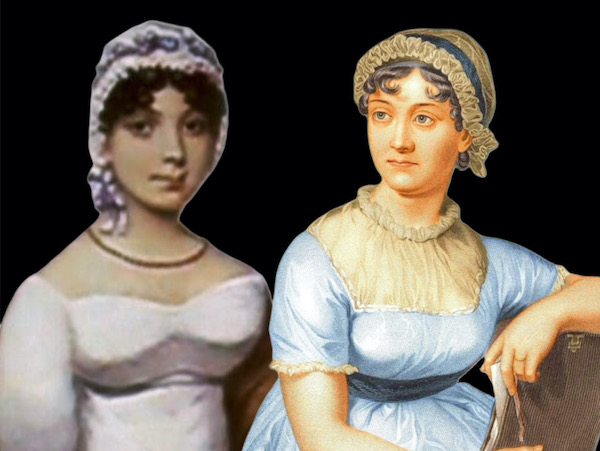
People often ask how much of Jane Austen is in her heroines. We know she never married, though she once loved. We know she was sharp, observant, close to her sister Cassandra, dependent on male relatives, and financially limited. All of that finds echoes in her characters. Each one may carry a piece of her life or longing. But none of them is Jane—perhaps because she chose to live through all of them at once.
In the end, what stays with us is not their beauty or their weddings. What remains is their growth, their choices, and their integrity in a world that so often rewards only appearance or wealth. Austen didn’t write perfect heroines. And that’s exactly why they still feel alive.
Descubra mais sobre
Assine para receber nossas notícias mais recentes por e-mail.
 miscelana.com