
The case involving Nick Reiner is now moving into its first decisive stage within California’s judicial system. After the initial shock and the avalanche of headlines, the process enters a slower, more technical—and paradoxically more revealing—phase.
Nick was arrested on December 14, 2025, the same day Rob Reiner and Michele Singer Reiner were found dead in the family home in Brentwood, Los Angeles. The formal charges were filed two days later: two counts of first-degree murder with special circumstances—a legal classification that, from the outset, signals the maximum severity with which prosecutors intend to pursue the case.

At the first hearing, held on December 17, Nick appeared in court but did not enter a plea of guilty or not guilty. It was a procedural step, still far removed from any debate over the case’s merits, but a symbolic one: it formally established that he would remain in custody without bail. At the same time, the prosecution organizes its strategy and the defense begins to outline its own.
The next milestone already has a set date. On January 7, 2026, the arraignment hearing will take place—the moment when Nick Reiner is expected, for the first time, to formally declare whether he pleads guilty or not guilty. This is a central stage in the American criminal process, not only because it officially launches the confrontation between prosecution and defense, but because it gives the case clearer contours: the judicial timeline begins, formal motions are filed, and the court starts to set the pace of the proceedings.
After that, the case moves into a phase that is less visible to the public but crucial. Preliminary hearings follow, along with the exchange of evidence between the parties, possible motions related to the defendant’s mental health, and debates over the admissibility of evidence. Only after this path is completed will it be possible to speak of a trial date proper—something that, in cases of this complexity, usually takes months.
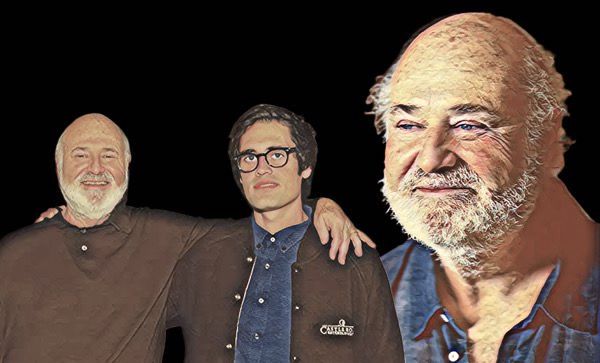
The charges include multiple murders with special circumstances, which opens the door to extreme penalties, such as life imprisonment without the possibility of parole. It is still unclear whether prosecutors will seek the maximum penalty allowed by law, but the initial framing already makes clear that this is not an ordinary case—legally or symbolically.
For now, what exists is a stark and weighty calendar: detention without bail, exceptionally serious formal charges, and a scheduled hearing that may define the tone of everything that follows. The trial of Nick Reiner has not yet truly begun—but the process, with all its institutional gravity, is already in motion.
Descubra mais sobre
Assine para receber nossas notícias mais recentes por e-mail.
 miscelana.com